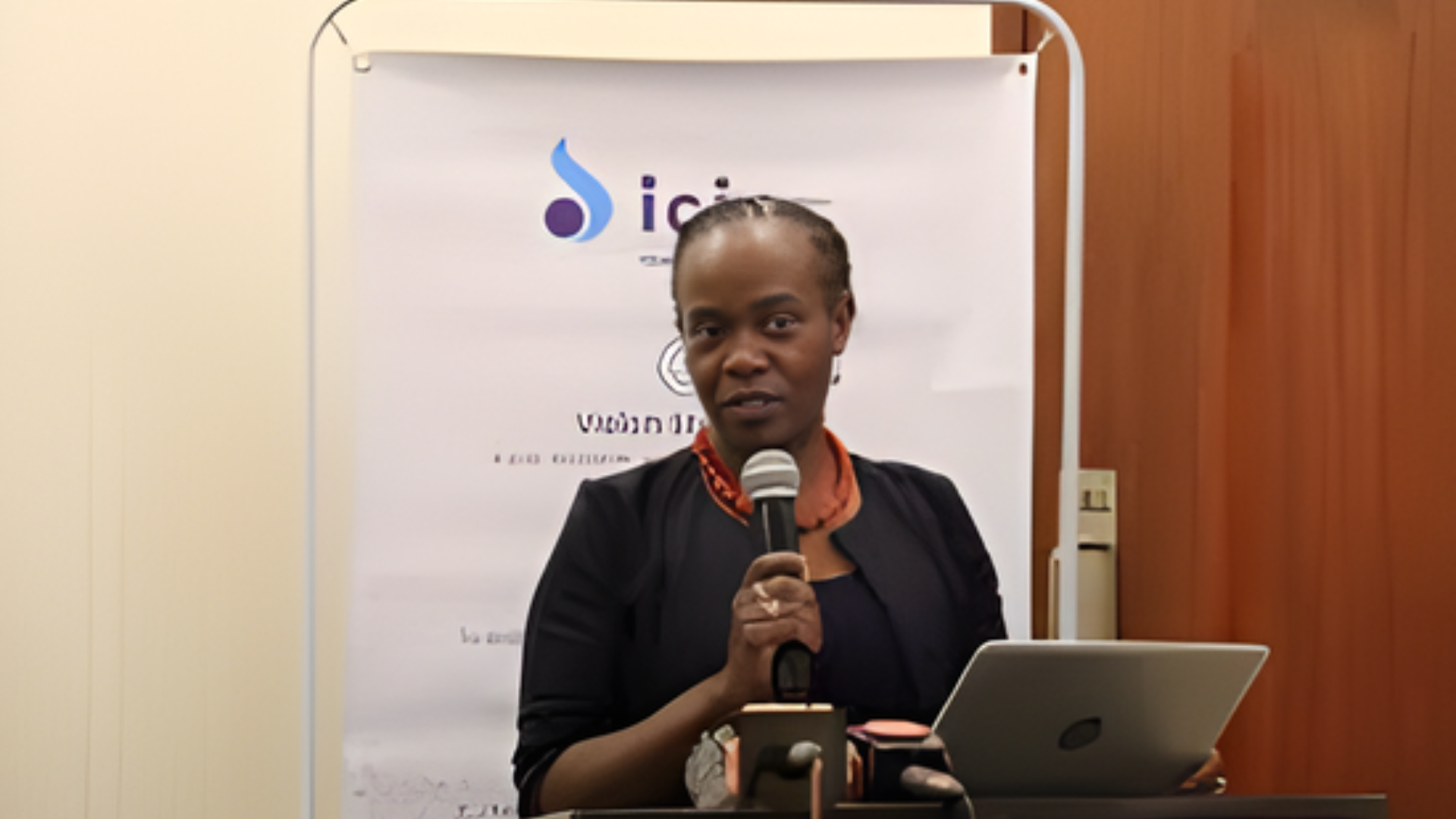
The Kenya Women Parliamentary Association has tabled a motion calling for the immediate abolition of the death penalty for all female offenders, describing the current application of capital punishment as discriminatory, gender-insensitive, and blind to the realities of domestic abuse and systemic inequality faced by women.
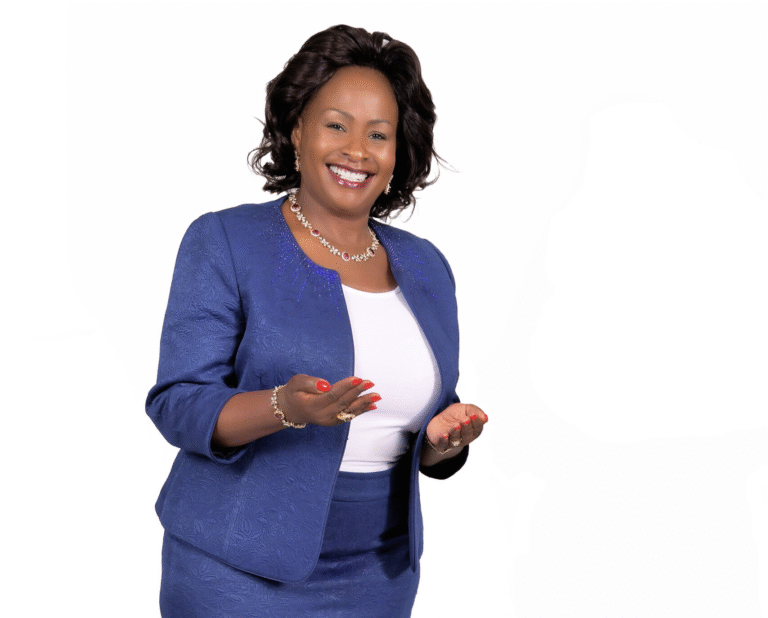
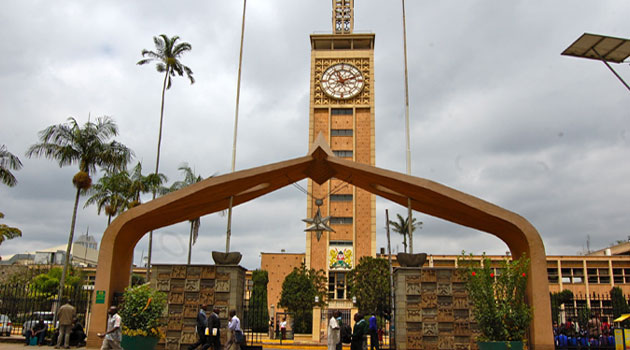
Speaking during a press conference at Parliament Buildings on November 25, 2025, KEWOPA chairperson Leah Sankaire said the association will push for amendments to the Penal Code to remove the mandatory death sentence for women convicted under Section 204 (murder) and Section 296(2) (robbery with violence), replacing it with life imprisonment or custodial sentences that allow for rehabilitation. “When a woman kills her husband after twenty years of beatings, broken bones, and rape, the law sees a murderer,” Sankaire told journalists. “We see a survivor who finally snapped. The death penalty does not deliver justice in such cases; it compounds the injustice.”
Currently, 32 women remain on death row in Kenya, the majority convicted of murdering abusive spouses or partners. Since the last execution in 1987, death sentences have been routinely commuted to life imprisonment, but the women MPs argue that the psychological trauma of living under a death sentence, combined with lengthy appeals and harsh prison conditions, constitutes cruel and unusual punishment.
Nominated MP Umulkher Harun, who has visited Langata Women’s Maximum Prison several times, recounted the story of a 38-year-old mother of four sentenced to death in 2019 for killing her husband. “She had reported him for domestic violence twelve times,” Harun said. “Each time the police sent her home with advice to pray. On the thirteenth occasion he came with a panga. She took it from him and used it. Today she waits to be hanged while her children are in children’s homes. Where is the justice for her?”
Data presented by KEWOPA shows that 78 percent of women on death row were victims of prolonged domestic abuse, 62 percent had sought help from police or chiefs without success, and 44 percent acted in immediate self-defence or defence of their children. Many had no prior criminal record and came from backgrounds of extreme poverty.
Mbooni MP Elizabeth Kailemia highlighted the case of a woman convicted in 2022 after poisoning her husband who had repeatedly threatened to kill her and sell their only piece of land. “The judge acknowledged the abuse but said his hands were tied by the mandatory death sentence,” Kailemia said. “We want to untie those hands. We want judges to have discretion to consider mitigating factors such as battered woman syndrome, post-traumatic stress, and economic dependence.”
The women legislators also pointed to international precedents. Rwanda abolished the death penalty entirely in 2007 and has since recorded a drop in gender-based murders as more women seek legal protection rather than resorting to lethal self-help. Uganda introduced special considerations for women in domestic violence cases in 2019, resulting in no female death sentences since then.
Kitui County Woman Representative Irene Kasalu challenged the narrative that abolishing the death penalty for women would encourage murder. “No woman wakes up planning to kill,” she said. “These are crimes of desperation, not calculation. The solution is not to hang the victim twice—first by her abuser, then by the state—but to protect her before she is pushed to that extreme.”
The motion has already attracted 112 signatures from both male and female MPs across the political divide, exceeding the 50 required for introduction in the House. Speaker Moses Wetang’ula has indicated it will be scheduled for debate during the week beginning December 9, 2025.
Justice and Legal Affairs Committee vice-chairperson Millie Odhiambo, a long-time advocate for gender-sensitive sentencing, welcomed the initiative. “We have made progress on the two-thirds gender rule and sexual offences laws,” she said. “It is time we extended the same empathy to women who end up before the courts not because they chose crime, but because the system failed to protect them when they were victims.”
Prison officials, speaking off-record, confirmed that women on death row suffer higher rates of depression, suicide attempts, and physical deterioration compared to those serving life sentences, largely due to the indefinite wait for presidential clemency that never comes.
The Law Society of Kenya has pledged to file a supporting memorandum, arguing that mandatory death sentences violate Article 50 of the Constitution on fair trial and proportionate punishment. Constitutional lawyer Bobby Mkangi told reporters that Kenya’s continued retention of the death penalty in law, despite the de facto moratorium, places the country out of step with global trends. “Over 170 countries have either abolished capital punishment or stopped using it,” Mkangi said. “When we retain it only for the poorest and most vulnerable women, we send a message that some lives are disposable.”
Religious leaders have expressed mixed reactions. The National Council of Churches of Kenya has endorsed the KEWOPA position, calling the death penalty “incompatible with the gospel of mercy,” while some conservative clerics argue that murder must carry the ultimate sanction regardless of gender.
Public opinion appears divided but leaning toward reform. A rapid poll conducted by a local university last month found 58 percent of Kenyans support abolishing the death penalty for women who kill abusive partners, with support rising to 72 percent among women respondents.
The women MPs concluded the press conference by reading out names of the 32 women currently on death row and observing a minute of silence. “These are not statistics,” Sankaire said. “These are mothers, daughters, sisters whose stories the law has refused to hear. Today we say: enough.”