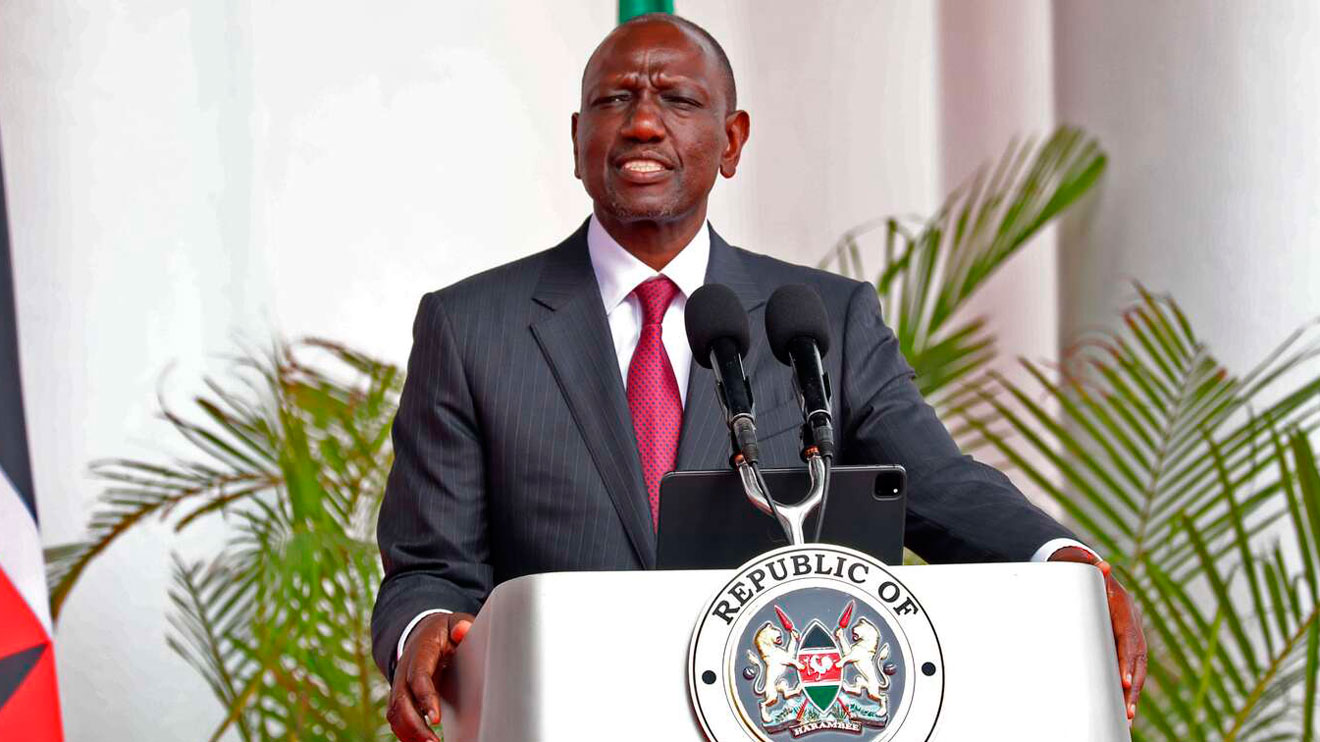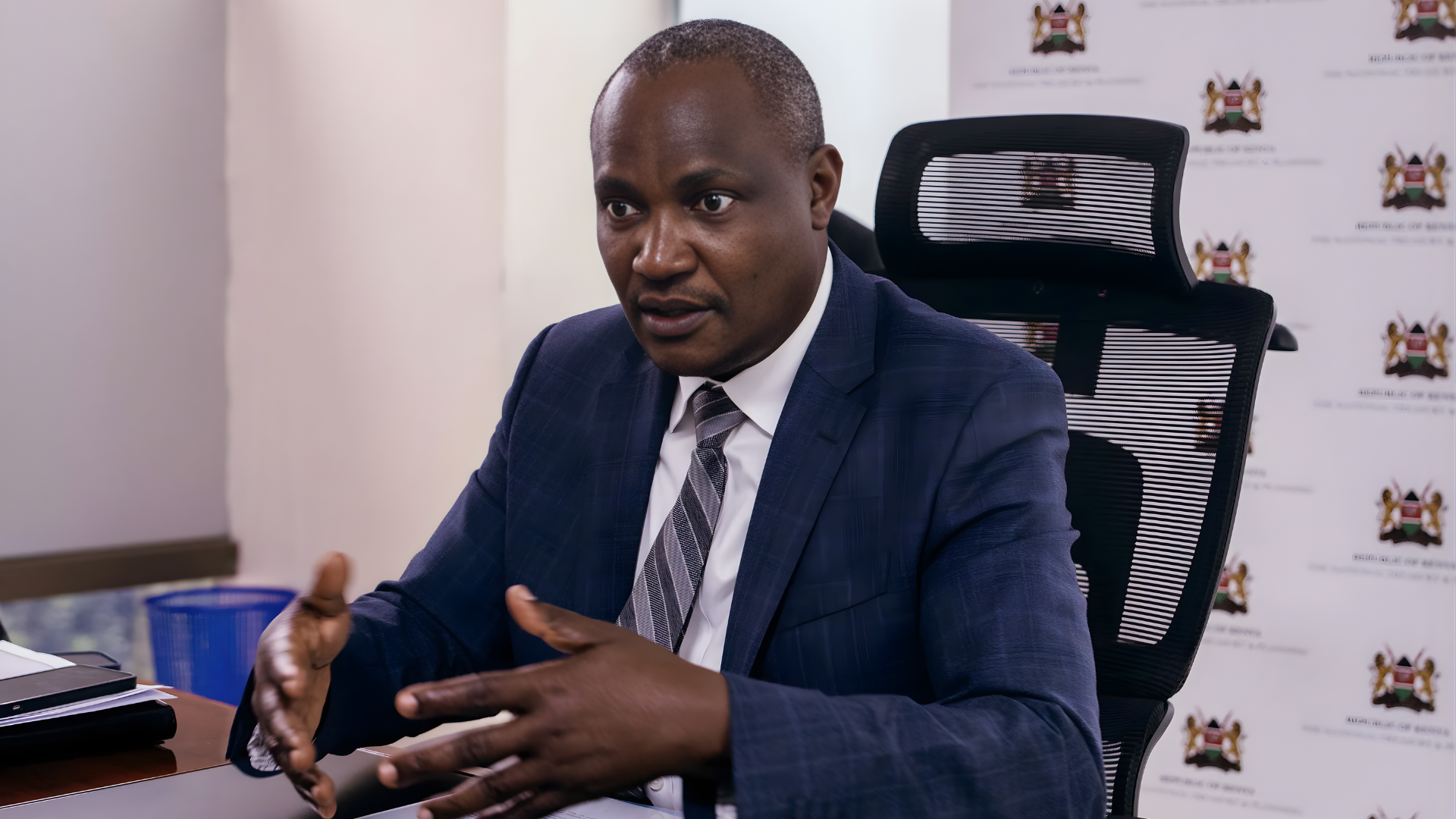
The glass-fronted conference room on the fourteenth floor of the World Bank offices in Nairobi’s Upper Hill, where the late-morning light filtered through half-open blinds and the faint hum of traffic rose from the streets below, carried a quiet urgency on November 20, 2025. Around a long mahogany table sat economists, Treasury officials, bankers, and journalists as the lead author of the latest Kenya Economic Update, Dr Keith Hansen, the World Bank Country Director, clicked to the slide that made everyone lean forward. A stark red bar showed net domestic borrowing leaping to 5.0 percent of GDP in the fiscal year 2024/25, well above the budgeted 3.9 percent and a sharp rise from 3.3 percent the previous year. “The government is borrowing too much at home,” Hansen said, his voice calm but deliberate, “and this is crowding out the private sector. Banks find Treasury bills and bonds safer and more lucrative than lending to businesses that are already struggling with high interest rates and weak demand. The result is a credit drought for the very enterprises Kenya needs to create jobs and drive growth.”
The numbers told a story of unintended consequences. Treasury bills and bonds, offering yields of 16 to 18 percent on the shorter end and 18.5 percent on longer tenors, had become the investment of choice for commercial banks flush with deposits but wary of corporate risk. By June 2025, banks held Sh950 billion in government securities, an increase of Sh312 billion in just twelve months. Private-sector credit growth, meanwhile, had slowed to a crawl at 4.1 percent year-on-year, the lowest in a decade outside the pandemic years. At a small furniture workshop in Nairobi’s Industrial Area, 38-year-old owner Samuel Mwangi stared at the latest bank statement on his phone and shook his head. “I applied for a Sh15 million loan to buy new machines in May,” he said, wiping sawdust from his hands onto a faded apron. “The bank sat on it for four months, then offered 23 percent interest with my house as collateral. I asked why so high. The manager was honest: ‘We can earn 18 percent risk-free from Treasury bills. Why take a chance on you?’ So my orders pile up, my workers sit idle, and the government gets the money instead.”
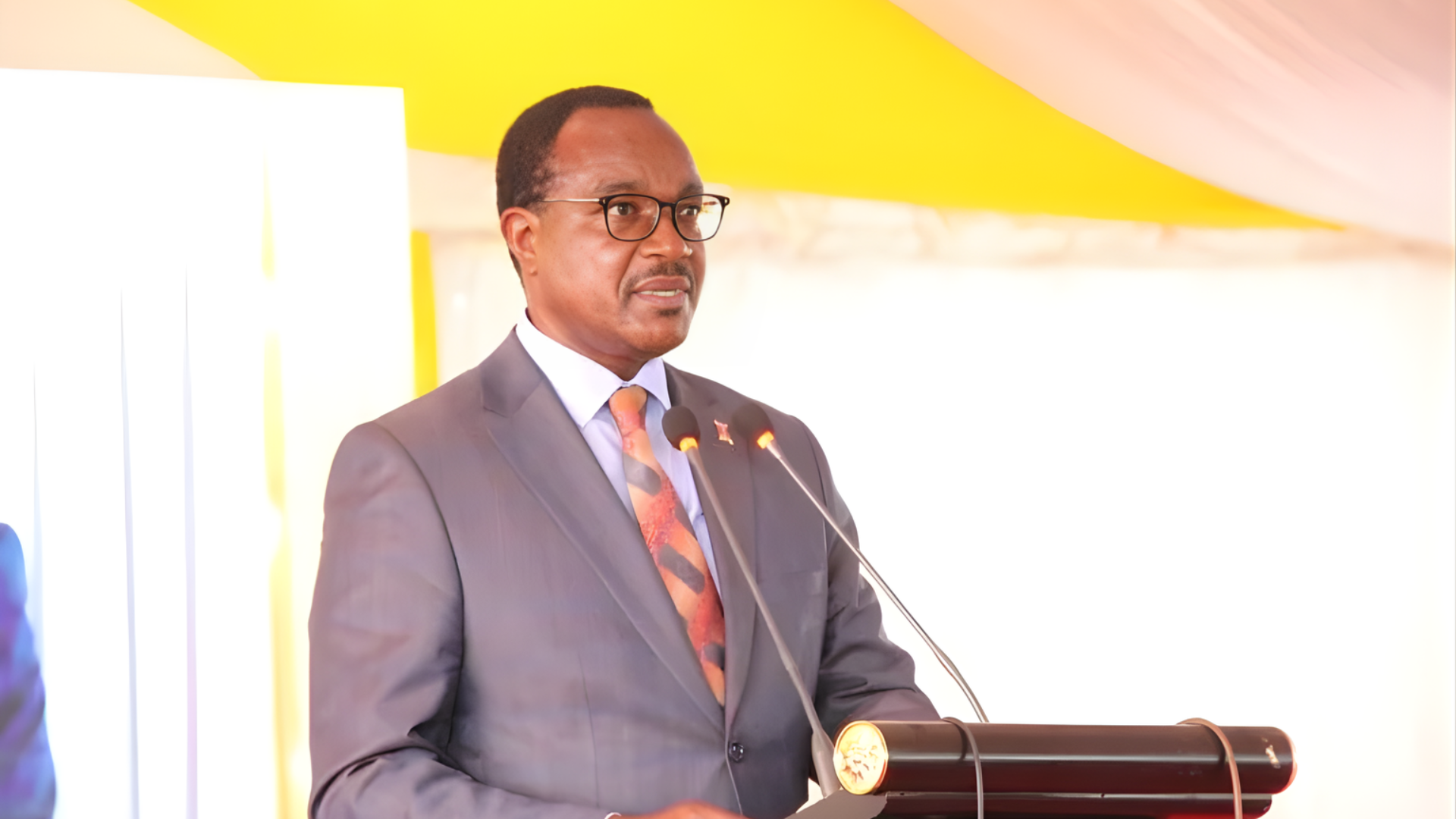
Across town in Westlands, the Kenya Bankers Association chairman, John Gachora, acknowledged the dilemma over coffee with reporters after the launch. “No banker will apologise for buying a government paper that pays 18 percent with zero credit risk when the average non-performing loan ratio is creeping toward 17 percent,” he said, lowering his voice as if sharing an uncomfortable truth. “But we also know this cannot continue indefinitely. Companies are suffocating. We see it in the repayment holidays we are quietly granting, in the restructuring requests that flood our desks every week.” Gachora revealed that some of the largest banks had increased their Treasury exposure by more than 40 percent in the past year while cutting new corporate facilities by nearly a quarter.
The World Bank’s report painted the broader picture in unflinching detail. With external financing markets still expensive after the 2023 Eurobond rollover and the shilling under periodic pressure, the National Treasury had leaned heavily on domestic markets to plug a fiscal gap widened by lower-than-expected revenue and rising wage and debt-service obligations. The Central Bank of Kenya, in its efforts to mop up excess liquidity and anchor inflation expectations, had kept policy rates elevated, pushing secondary-market yields even higher and making government paper irresistibly attractive. “When the risk-free rate is 18 percent, the private sector has to pay 22 to 25 percent to compete,” explained Naomi Wanjiru, a senior economist at one of the Tier-1 banks who attended the briefing. “Most businesses simply cannot generate returns that high in the current environment. So credit stays locked up in government securities.”
In Mombasa, 44-year-old clearing and forwarding agent Fatuma Hassan felt the squeeze acutely. Her firm, which handles imports for coastal traders, had seen turnover drop 30 percent since the beginning of the year as clients delayed container releases because letters of credit were either too expensive or simply unavailable. “Banks tell us they have no headroom,” she said over the phone from her office overlooking the port. “They are fully invested in Treasury bills. One relationship manager even showed me his portfolio—78 percent government paper. I asked when they will have room for us again. He laughed and said ‘when yields come down.’ But yields won’t come down until the government borrows less, and the government won’t borrow less until revenue improves. We are trapped.”
The crowding-out effect has begun to ripple through the real economy. Manufacturing capacity utilisation, which had recovered to 56 percent in 2023, slipped back to 51 percent by mid-2025, according to the Kenya Association of Manufacturers. Construction firms report delayed payments from both public and private clients, forcing them to park surplus cash in Treasury bills rather than expand plant or hire. In Nakuru, a medium-sized maize miller who asked not to be named closed one of his three plants in September after failing to secure a Sh120 million facility to replace ageing equipment. “We were offered the loan at 24 percent over seven years,” he said, standing amid silent machinery. “The monthly repayment would have been higher than our entire profit. Better to buy a 364-day Treasury bill at 17.8 percent and wait for sanity to return.”
Treasury officials present at the World Bank briefing defended the strategy as necessary medicine. “Domestic borrowing is cheaper and carries no exchange-rate risk,” one senior director who spoke on background explained. “We had to finance a deficit that ballooned because of drought, subdued revenue, and pending bills we inherited. The alternative was cutting recurrent expenditure—salaries, pensions—which would have triggered a different kind of crisis.” Yet even he conceded the private-sector fallout had become more severe than anticipated. “We are aware of the crowding out,” he admitted. “That is why the Medium-Term Revenue Strategy and the 2025/26 budget will focus aggressively on raising collections to reduce domestic borrowing to below 3 percent of GDP.”
The World Bank offered a roadmap out of the trap: faster implementation of tax reforms to lift the revenue-to-GDP ratio from 14.2 percent toward the 18 percent medium-term target, accelerated expenditure rationalisation, and a more predictable Central Bank policy rate path to bring secondary yields down gradually. Hansen stressed that the window for correction remains open but narrowing. “Kenya has done the hard part—stabilising the debt trajectory and regaining market access,” he said, closing his presentation. “Now it must do the harder part: create space for the private sector to breathe, invest, and hire. If domestic borrowing remains at these levels for another fiscal year, the recovery will stall.”
Back in Industrial Area, Samuel Mwangi locked his workshop early and sat on a half-finished sofa frame, scrolling through auction notices for Treasury bills on his phone. “Every week the government raises billions from banks that could have built ten factories like mine,” he said quietly. “We are not asking for charity. Just give us a fighting chance at a loan that does not strangle us before we start.” Outside, the evening traffic roared past, carrying bankers home from a day of buying the very instruments that had made Samuel’s expansion dream impossible.
The numbers for the just-ended fiscal year are now final: Sh846 billion raised domestically against a target of Sh690 billion. Private credit growth languishes at 4.1 percent. Interest rates on commercial loans hover between 22 and 26 percent. And across the country, thousands of entrepreneurs like Samuel and Fatuma wait for the day when the government’s appetite finally leaves something on the table for them.