 CALEB MWENDWA MUSYOKI
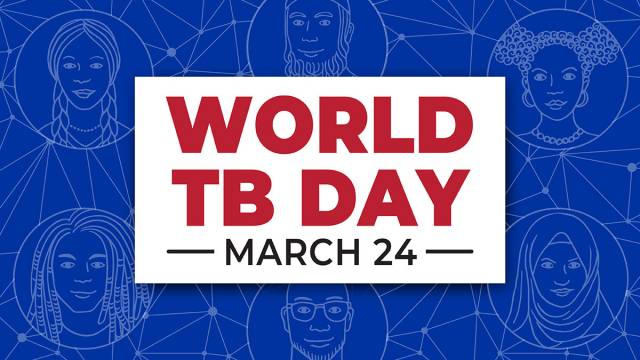
Every year on March 24, the world marks World TB Day—a day dedicated to raising awareness about Tuberculosis (TB), one of the deadliest infectious diseases globally. The date commemorates the historic discovery of the TB-causing bacterium by Robert Koch in 1882, a breakthrough that paved the way for diagnosis and treatment.
Despite being preventable and curable, TB continues to affect millions of people each year. According to the World Health Organization, TB remains a major public health concern, particularly in developing countries where access to healthcare, early diagnosis, and treatment remains limited. The disease mainly affects the lungs but can also impact other parts of the body, spreading through the air when an infected person coughs or sneezes.
This year’s World TB Day theme focuses on accelerating efforts to eliminate TB by increasing awareness, improving healthcare systems, and ensuring that no one is left behind. Governments, health organizations, and communities are being urged to invest more in TB prevention, testing, and treatment services.
In countries like Kenya, TB continues to pose a serious challenge, especially among vulnerable populations. Factors such as poverty, overcrowding, and limited access to medical services contribute to the spread of the disease. However, ongoing campaigns, community outreach programs, and government initiatives are helping to reduce infections and save lives.
World TB Day serves as a reminder that the fight against TB is far from over. It calls on individuals, communities, and leaders to take action—by spreading awareness, supporting those affected, and advocating for stronger health systems.
Ending TB is possible, but it requires global unity, sustained commitment, and collective responsibility.