 Victor Elvis Mugambi
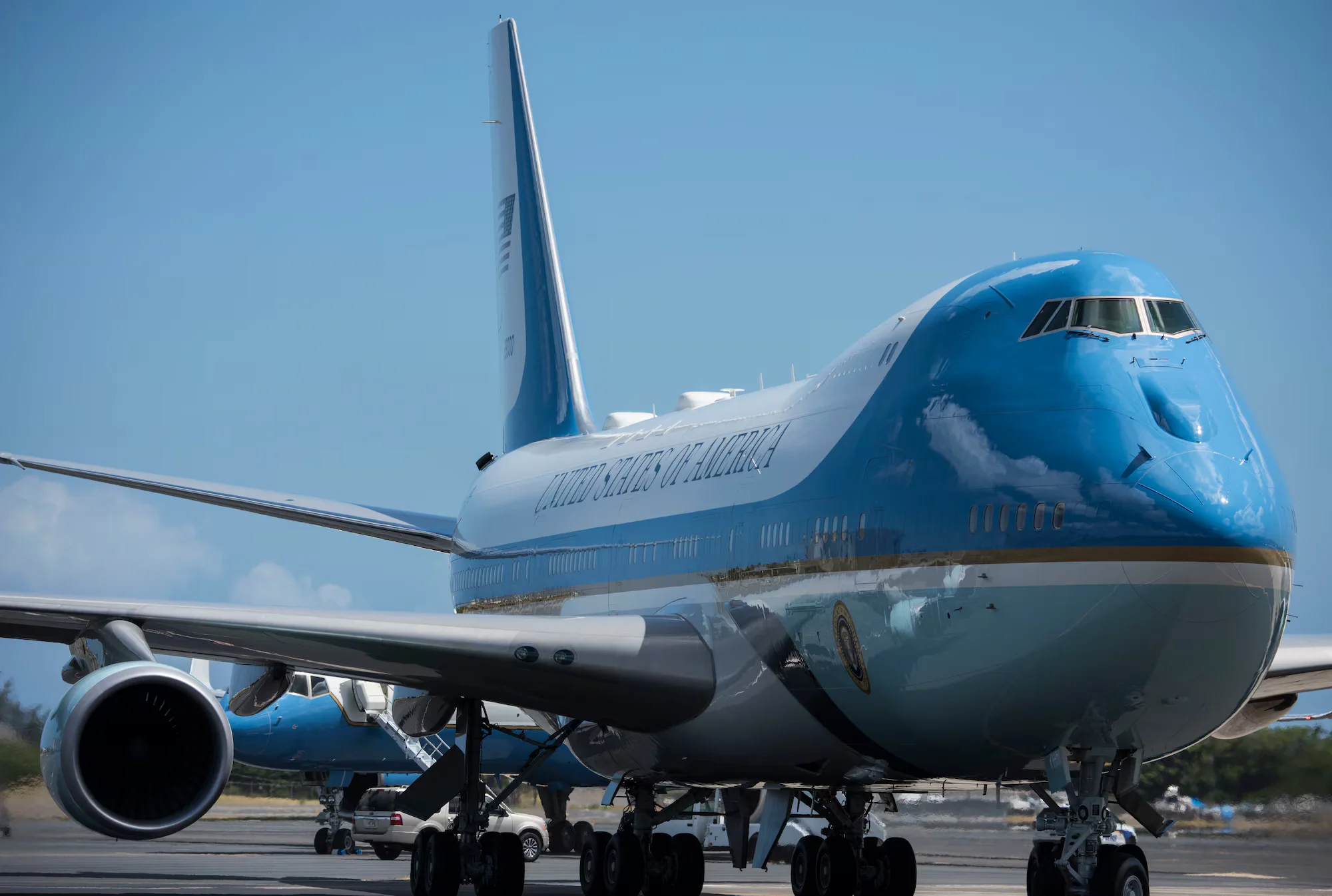
The retirement of Air Force 1 signifies a major milestone in military aviation, marking the end of an era and the beginning of new advancements. As one of the most iconic aircraft in service, its departure has generated significant attention both within military circles and among aviation enthusiasts.
Reflecting on a Legacy
Air Force 1 has been a symbol of American aerospace achievement and military strength. Its service record, technological innovations, and cultural resonance have cemented its place as a revered aircraft. The decision to retire it was made after careful consideration of the aircraft's operational lifespan and the evolving needs of the military.
This transition opens the door for newer, more advanced aircraft that will define the future of military aviation. The retirement process involves meticulous planning to ensure a seamless shift to these next-generation platforms while honoring the legacy of Air Force 1.
The implications of this retirement extend beyond technology, reflecting changes in military policies, defense strategies, and resource allocation. It also symbolizes progress and adaptation in a rapidly changing technological landscape.
In cultural terms, Air Force 1 remains a symbol of innovation and national pride. Its retirement prompts discussions about the evolution of military technology and the importance of preserving history while embracing future advancements. This transition marks an exciting chapter in the ongoing story of military aviation development.