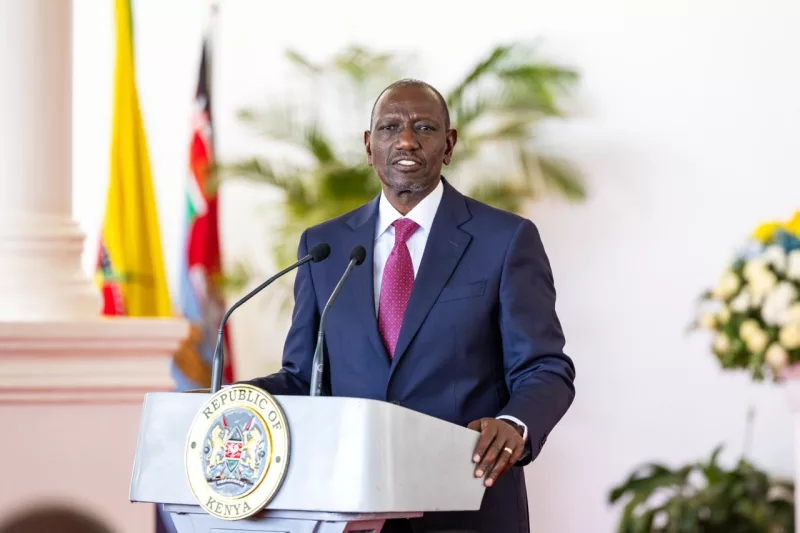
As learners across Kenya return to school for the third term, the persistent school funding crisis remains a major concern. Despite President William Ruto’s announcement that 18 billion shillings had been released for school capitation, many school heads report that they have yet to receive these funds, intensifying the ongoing financial struggles within the education sector.
The Financial Struggles Behind the Return to School
The delay in disbursement of funds has led to increased pressure on school administrators to manage operational costs. According to the Kenya Union of Post Primary Education Teachers (KUPPET), school heads are now forced to seek alternative sources of income, including demanding extra fees from parents, which raises concerns about accessibility and fairness in education.
This situation underscores the broader impact of the funding crisis on educational quality and equality. With funds delayed or insufficient, schools struggle to maintain necessary resources, which could compromise the delivery of quality education to learners across the country.
Recent reports from the Daily Nation highlight that the funding delays are threatening not only daily school operations but also preparations for national examinations, further jeopardizing the academic progress of students. The crisis underscores a need for more reliable and timely disbursement of funds to stabilize the sector.
As the government and education stakeholders navigate this funding challenge, the focus remains on ensuring that learners do not bear the brunt of financial mismanagement. Addressing these issues is crucial for safeguarding the future of education in Kenya and maintaining public confidence in the sector.