 Gerald Kyalo. (geraldbway).
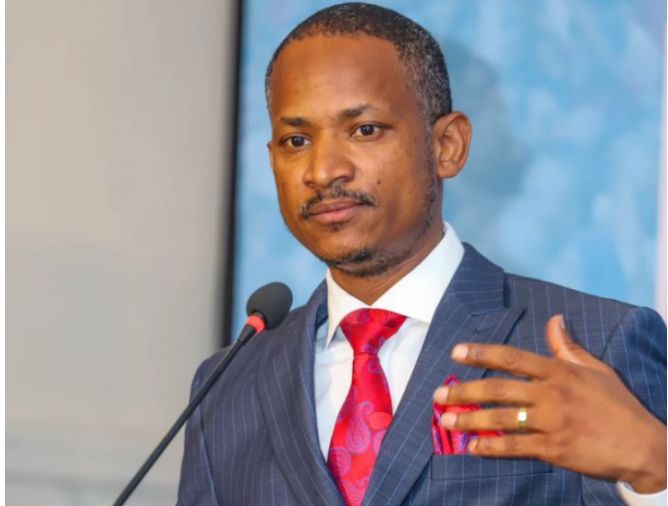
Embakasi East Member of Parliament Babu Owino has raised serious allegations against investigative authorities, claiming that attempts to summon him to Kakamega for questioning over recent political activities amount to intimidation and suppression of dissent.
In a letter dated March 17, 2026, addressed to the Western Regional Directorate of Criminal Investigations (DCI) office, Owino claimed that junior officers, allegedly acting on orders from higher authorities, had sought to compel his appearance for interrogation. The summons, he asserts, are connected to the Linda Mwananchi rallies held on February 21 at Amalemba Grounds and Mbale. These events, which drew considerable public attention, became politically charged, with minor clashes reported during the proceedings.
Owino’s letter strongly criticized the decision to summon him to Kakamega, describing it as a deliberate move to intimidate him and silence his voice. “It is my view that the choice of Kakamega as the venue of torture is not only meant to intimidate and blackmail me, but is a testament to the regime’s determination to suppress the voice of the people,” Owino wrote. He emphasized that any legal proceedings against him, if warranted, should be conducted in Nairobi, citing the principle that justice should be accessible and consistent with jurisdictional rules.
Acknowledging the pressures that law enforcement officers may face from their superiors, the legislator called on them to remain committed to the constitutional oath they had taken. “I advise that your focus should be on preserving the oath of office you took, which binds you to the rule of law,” he said, highlighting the responsibility of officers to uphold public trust rather than act as mere conduits of political pressure.
Owino also raised broader concerns regarding the legal framework underpinning the summons. He urged investigators to reflect on the implications of a landmark Court of Appeal ruling—Civil Appeal No. 197 of 2020—on the Computer Misuse and Cybercrimes Act. This ruling addressed contentious provisions of the law, which critics have long argued could be weaponized to stifle free expression, particularly in political discourse. The legislator stressed that authorities must interpret the law in line with jurisprudential standards rather than as instruments for suppressing progressive voices within a democracy.
The MP’s letter further underscored the ethical responsibilities of senior officers. Directly addressing the Western Regional DCI boss, Owino challenged the notion that senior officers should simply follow orders without considering their broader public duty. “As a man entrusted with the Western region as the Regional County Investigations Officer, I refuse to believe that you are merely a conveyor belt. You hold an office of public trust on behalf of the people of Kenya. The power and privilege that come with this office should not blind you,” he wrote.
Owino’s appeal drew on philosophical reflections to reinforce his argument, quoting Simon Well: “Instruments of power—arms, gold, machines, magical or technical secrets—always exist independently of him who disposes of them, and can be taken up by others. Consequently, all power is unstable.” By invoking this, Owino highlighted the fragility of authority and the need for ethical restraint in the exercise of power.
Political analysts say the move by Owino is consistent with his long-standing reputation as a vocal and controversial lawmaker unafraid to challenge the status quo. He has, in the past, openly criticized government institutions and called for greater accountability, sometimes drawing confrontations with law enforcement. Observers suggest that his latest accusations reflect the tensions between political actors and state institutions in a period of heightened political activity ahead of upcoming elections.
Legal experts weigh in that Owino’s insistence on venue and proper jurisdiction reflects a legitimate concern under Kenyan law, which stipulates that summons and legal proceedings must follow clearly defined jurisdictional rules. They note, however, that law enforcement agencies have the discretion to summon individuals to regions outside their home constituencies if investigations are tied to specific events, although this is often politically sensitive.
Owino’s allegations come at a time when Kenya is witnessing increasing scrutiny of law enforcement conduct, particularly regarding the treatment of political figures. Civil society organizations have frequently expressed concerns over the potential misuse of state machinery to intimidate dissenting voices. By publicly addressing these issues, Owino is not only defending his personal legal rights but also bringing attention to broader debates about the balance between law enforcement authority and political freedoms.
The MP concluded his letter by reaffirming his commitment to lawful engagement with authorities while cautioning against attempts to suppress democratic expression. His communication reflects a broader narrative about the intersection of politics, law, and civil liberties in Kenya, raising questions about the independence of investigative bodies in politically charged cases.
As the situation unfolds, stakeholders across the political spectrum will be closely monitoring how the DCI responds to Owino’s allegations. The outcome could have significant implications not only for his case but also for perceptions of state neutrality and respect for constitutional rights in Kenya’s political landscape.
In a letter dated March 17, 2026, addressed to the Western Regional Directorate of Criminal Investigations (DCI) office, Owino claimed that junior officers, allegedly acting on orders from higher authorities, had sought to compel his appearance for interrogation. The summons, he asserts, are connected to the Linda Mwananchi rallies held on February 21 at Amalemba Grounds and Mbale. These events, which drew considerable public attention, became politically charged, with minor clashes reported during the proceedings.
Owino’s letter strongly criticized the decision to summon him to Kakamega, describing it as a deliberate move to intimidate him and silence his voice. “It is my view that the choice of Kakamega as the venue of torture is not only meant to intimidate and blackmail me, but is a testament to the regime’s determination to suppress the voice of the people,” Owino wrote. He emphasized that any legal proceedings against him, if warranted, should be conducted in Nairobi, citing the principle that justice should be accessible and consistent with jurisdictional rules.
Acknowledging the pressures that law enforcement officers may face from their superiors, the legislator called on them to remain committed to the constitutional oath they had taken. “I advise that your focus should be on preserving the oath of office you took, which binds you to the rule of law,” he said, highlighting the responsibility of officers to uphold public trust rather than act as mere conduits of political pressure.
Owino also raised broader concerns regarding the legal framework underpinning the summons. He urged investigators to reflect on the implications of a landmark Court of Appeal ruling—Civil Appeal No. 197 of 2020—on the Computer Misuse and Cybercrimes Act. This ruling addressed contentious provisions of the law, which critics have long argued could be weaponized to stifle free expression, particularly in political discourse. The legislator stressed that authorities must interpret the law in line with jurisprudential standards rather than as instruments for suppressing progressive voices within a democracy.
The MP’s letter further underscored the ethical responsibilities of senior officers. Directly addressing the Western Regional DCI boss, Owino challenged the notion that senior officers should simply follow orders without considering their broader public duty. “As a man entrusted with the Western region as the Regional County Investigations Officer, I refuse to believe that you are merely a conveyor belt. You hold an office of public trust on behalf of the people of Kenya. The power and privilege that come with this office should not blind you,” he wrote.
Owino’s appeal drew on philosophical reflections to reinforce his argument, quoting Simon Well: “Instruments of power—arms, gold, machines, magical or technical secrets—always exist independently of him who disposes of them, and can be taken up by others. Consequently, all power is unstable.” By invoking this, Owino highlighted the fragility of authority and the need for ethical restraint in the exercise of power.
Political analysts say the move by Owino is consistent with his long-standing reputation as a vocal and controversial lawmaker unafraid to challenge the status quo. He has, in the past, openly criticized government institutions and called for greater accountability, sometimes drawing confrontations with law enforcement. Observers suggest that his latest accusations reflect the tensions between political actors and state institutions in a period of heightened political activity ahead of upcoming elections.
Legal experts weigh in that Owino’s insistence on venue and proper jurisdiction reflects a legitimate concern under Kenyan law, which stipulates that summons and legal proceedings must follow clearly defined jurisdictional rules. They note, however, that law enforcement agencies have the discretion to summon individuals to regions outside their home constituencies if investigations are tied to specific events, although this is often politically sensitive.
Owino’s allegations come at a time when Kenya is witnessing increasing scrutiny of law enforcement conduct, particularly regarding the treatment of political figures. Civil society organizations have frequently expressed concerns over the potential misuse of state machinery to intimidate dissenting voices. By publicly addressing these issues, Owino is not only defending his personal legal rights but also bringing attention to broader debates about the balance between law enforcement authority and political freedoms.
The MP concluded his letter by reaffirming his commitment to lawful engagement with authorities while cautioning against attempts to suppress democratic expression. His communication reflects a broader narrative about the intersection of politics, law, and civil liberties in Kenya, raising questions about the independence of investigative bodies in politically charged cases.
As the situation unfolds, stakeholders across the political spectrum will be closely monitoring how the DCI responds to Owino’s allegations. The outcome could have significant implications not only for his case but also for perceptions of state neutrality and respect for constitutional rights in Kenya’s political landscape.