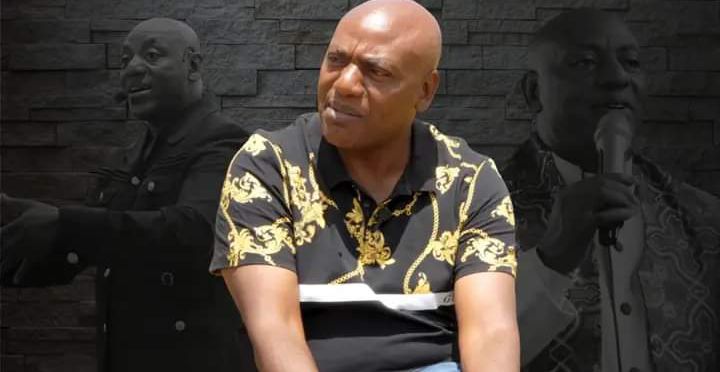
Detectives from the Directorate of Criminal Investigations headquarters have arrested Peter Maingi Kimani, alias Menelik Kimani, suspected of recording a video containing a threatening message and uploading it to his TikTok account earlier this week.
The arrest took place on February 23, 2026, after a coordinated operation that smoked the suspect out of his hideout in the Gachage area of Kiganjo, Gatundu South Sub-County, Kiambu County. Kimani had reportedly gone into hiding immediately after posting the video, which authorities say contained language that could incite violence or threaten public safety.
Police spokesman Michael Muchiri confirmed the operation and said the suspect is currently undergoing processing at DCI headquarters in Nairobi pending arraignment. “Peter Maingi Kimani was located and taken into custody without incident,” Muchiri said. “He is assisting investigators with the circumstances surrounding the creation and dissemination of the video. We expect him to be presented in court soon to answer to the charges.”
The threatening content, which went viral before being taken down, reportedly included explicit warnings directed at unnamed individuals or groups. The DCI has not released the full video or detailed transcript to avoid further circulation but described the material as irresponsible and potentially destabilising.
The Directorate reminded the public that while freedom of expression is a fundamental right protected under Article 33 of the Constitution, it is not absolute. “The enjoyment of this right should not be used as a tool to promote or justify the violation of the rights of others,” Muchiri stated. “We will not spare any effort in addressing any irresponsible use of social media, especially where there is a clear threat to peace, security or the dignity of individuals.”
The arrest has reignited debate about the boundaries of online speech in Kenya. Social media users expressed mixed views, with some praising the swift police action as necessary to deter online threats, while others warned against overreach that could stifle legitimate criticism or satire. One commentator noted: “Threats are one thing, but we must be careful not to criminalise every strong opinion posted online.”
The Directorate of Criminal Investigations has in recent months intensified monitoring of social media platforms for content that could incite violence, spread hate speech or threaten national security. Several similar cases have been opened, including arrests for posts deemed to undermine public order or target specific communities.
Kimani’s arrest comes amid heightened political tensions and online rhetoric ahead of the 2027 general election. Police have appealed to the public to report any threatening or inflammatory content encountered online. “If you see something, say something,” Muchiri urged. “Timely reporting helps us act before situations escalate.”
The suspect faces potential charges under the Computer Misuse and Cybercrimes Act, the Penal Code provisions on threats to kill or cause harm, and the National Cohesion and Integration Act if the content is found to promote hatred or division. Prosecutors are expected to finalise the charge sheet once forensic analysis of the video and related digital evidence is complete.
The case is being handled by the DCI’s Cybercrime Unit in collaboration with the Office of the Director of Public Prosecutions. Kimani remains in custody and has not yet been formally charged as investigations continue.
The incident serves as a reminder of the legal limits on online expression in Kenya and the growing use of digital forensics in criminal investigations. As social media continues to play a central role in public discourse, authorities have signalled zero tolerance for content that crosses into criminal territory.