 Victor Elvis Mugambi
The El Nino weather phenomenon has become a significant concern for many regions, especially as its associated rains can lead to severe flooding, droughts, and other environmental challenges. As climate variability increases, the need for structured community-level planning and action becomes paramount to mitigate these impacts and safeguard vulnerable populations.
Community-Level Planning and Action Are Crucial
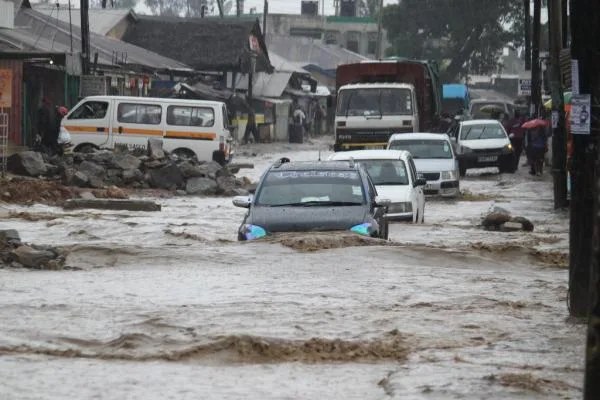
Effective response to El Nino rains requires coordinated efforts within communities to prepare for sudden weather changes. Local governments, civil society organizations, and residents must work together to develop contingency plans, improve infrastructure, and ensure that early warning systems are in place. Such proactive measures can significantly reduce the damage caused by extreme weather events associated with El Nino, including flooding and landslides.
Communities most at risk often lack the resources and infrastructure to respond effectively. Therefore, localized planning that considers specific vulnerabilities—such as areas prone to flooding or drought—can enhance resilience and facilitate targeted interventions. Education campaigns and community drills can also raise awareness and ensure readiness when heavy rains or droughts occur.
Furthermore, community involvement in planning helps to build social cohesion and ensures that interventions are culturally appropriate and sustainable. As climate patterns become more unpredictable, empowering local populations to take ownership of their climate resilience strategies is essential for long-term adaptation.
Governments and other stakeholders must support these grassroots initiatives with funding, technical assistance, and policy backing. By integrating community-level planning into national climate adaptation strategies, nations can more effectively address the challenges posed by El Nino rains and protect their populations from disaster.