 Faith Masita
When William Ruto rolled out his subsidised fertiliser programme, the promise was simple: cheaper inputs, higher yields, and a country less dependent on food imports. For many farmers, it was meant to be the turning point.
Instead, in the quiet spaces between policy and practice, something else has taken root.
The invisible middlemen.
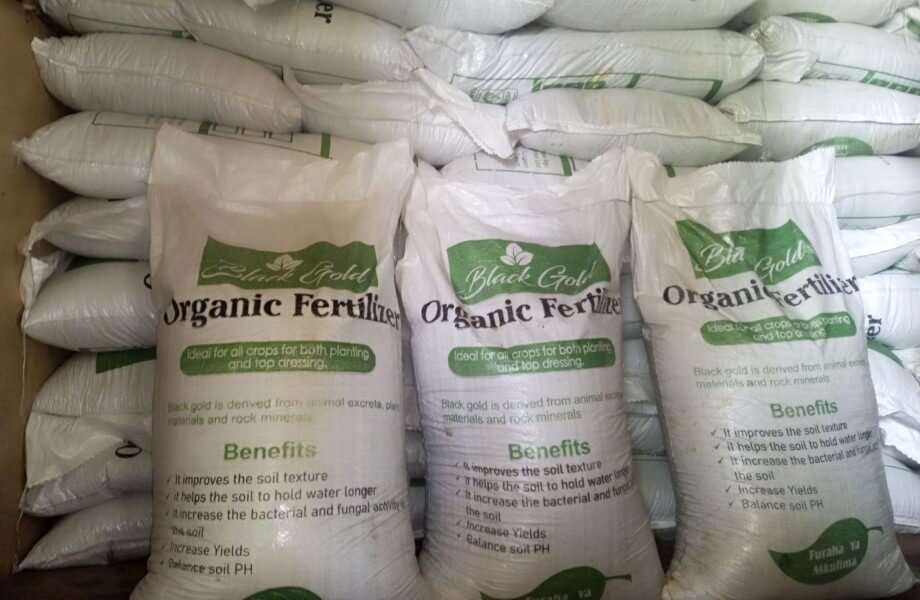
What was designed as a lifeline is increasingly being described by insiders as a pipeline under siege. Cartels—well-organised, deeply embedded, and often invisible—are accused of intercepting fertiliser before it reaches genuine farmers.
A senior government official recently admitted the scale of the problem, warning that “cartels [are] colluding with brokers to steal fertiliser” .
This is not just theft—it is redirection. Subsidised fertiliser, meant to cushion farmers from high global prices, is allegedly diverted into parallel markets where it is resold at commercial rates, effectively cancelling out the subsidy.
Farmers at the end of a broken chain
On paper, the system works: fertiliser is procured, distributed through official channels, and collected by registered farmers. But on the ground, farmers describe a different reality—empty depots, delayed deliveries, and, in some cases, being told stocks have “run out” long before planting season peaks.
The deeper issue is not just access, but trust.
Previous audits have already exposed how vulnerable the system is. Billions of shillings have been lost through irregular procurement, including payments to non-existent suppliers and the circulation of substandard fertiliser that still made its way to farms .
In such an environment, the line between incompetence and organised fraud becomes dangerously thin.
The fertiliser subsidy programme did not fail overnight. Structural weaknesses—poor tracking systems, weak verification of beneficiaries, and gaps in distribution oversight—created fertile ground for manipulation. As earlier investigations revealed, these loopholes “opened the door for manipulation, fraud” and even the supply of fake inputs .
Cartels did not create the cracks—they simply learned how to use them.
Food security at stake. The real cost of this infiltration is not just financial—it is agricultural.
Every diverted bag of fertiliser represents reduced yields. Every delayed delivery shortens planting windows. Across thousands of farms, these small disruptions compound into national risk.
Kenya’s food system is highly sensitive to input shocks. If farmers plant less—or harvest less the country faces higher food prices, increased imports, and deeper vulnerability to global supply fluctuations. In effect, the cartels are not just stealing fertiliser—they are quietly reshaping the country’s food future.
Government on the defensive
The government has acknowledged the threat and promised action. Officials say investigations are ongoing and those involved will face legal consequences.
But enforcement has historically lagged behind exposure. Past scandals involving fake fertiliser led to arrests and public outrage, yet convictions have been rare, and systemic reform slow to take hold .That gap between discovery and accountability is where cartels continue to thrive.
The bigger question
The fertiliser programme was never just about inputs; it was about restoring confidence in the agricultural economy. Now, the question is no longer whether the subsidy works—but whether it can survive its own distribution system. Until the chain from port to farm is secured, Kenya’s farmers may continue to fight a battle they cannot see—against networks that harvest profits long before crops ever grow.
Instead, in the quiet spaces between policy and practice, something else has taken root.
The invisible middlemen.
What was designed as a lifeline is increasingly being described by insiders as a pipeline under siege. Cartels—well-organised, deeply embedded, and often invisible—are accused of intercepting fertiliser before it reaches genuine farmers.
A senior government official recently admitted the scale of the problem, warning that “cartels [are] colluding with brokers to steal fertiliser” .
This is not just theft—it is redirection. Subsidised fertiliser, meant to cushion farmers from high global prices, is allegedly diverted into parallel markets where it is resold at commercial rates, effectively cancelling out the subsidy.
Farmers at the end of a broken chain
On paper, the system works: fertiliser is procured, distributed through official channels, and collected by registered farmers. But on the ground, farmers describe a different reality—empty depots, delayed deliveries, and, in some cases, being told stocks have “run out” long before planting season peaks.
The deeper issue is not just access, but trust.
Previous audits have already exposed how vulnerable the system is. Billions of shillings have been lost through irregular procurement, including payments to non-existent suppliers and the circulation of substandard fertiliser that still made its way to farms .
In such an environment, the line between incompetence and organised fraud becomes dangerously thin.
The fertiliser subsidy programme did not fail overnight. Structural weaknesses—poor tracking systems, weak verification of beneficiaries, and gaps in distribution oversight—created fertile ground for manipulation. As earlier investigations revealed, these loopholes “opened the door for manipulation, fraud” and even the supply of fake inputs .
Cartels did not create the cracks—they simply learned how to use them.
Food security at stake. The real cost of this infiltration is not just financial—it is agricultural.
Every diverted bag of fertiliser represents reduced yields. Every delayed delivery shortens planting windows. Across thousands of farms, these small disruptions compound into national risk.
Kenya’s food system is highly sensitive to input shocks. If farmers plant less—or harvest less the country faces higher food prices, increased imports, and deeper vulnerability to global supply fluctuations. In effect, the cartels are not just stealing fertiliser—they are quietly reshaping the country’s food future.
Government on the defensive
The government has acknowledged the threat and promised action. Officials say investigations are ongoing and those involved will face legal consequences.
But enforcement has historically lagged behind exposure. Past scandals involving fake fertiliser led to arrests and public outrage, yet convictions have been rare, and systemic reform slow to take hold .That gap between discovery and accountability is where cartels continue to thrive.
The bigger question
The fertiliser programme was never just about inputs; it was about restoring confidence in the agricultural economy. Now, the question is no longer whether the subsidy works—but whether it can survive its own distribution system. Until the chain from port to farm is secured, Kenya’s farmers may continue to fight a battle they cannot see—against networks that harvest profits long before crops ever grow.