 Wambui Faith
Energy Shockwaves: Attack on Qatar Gas Hub Sparks Global Price Surge
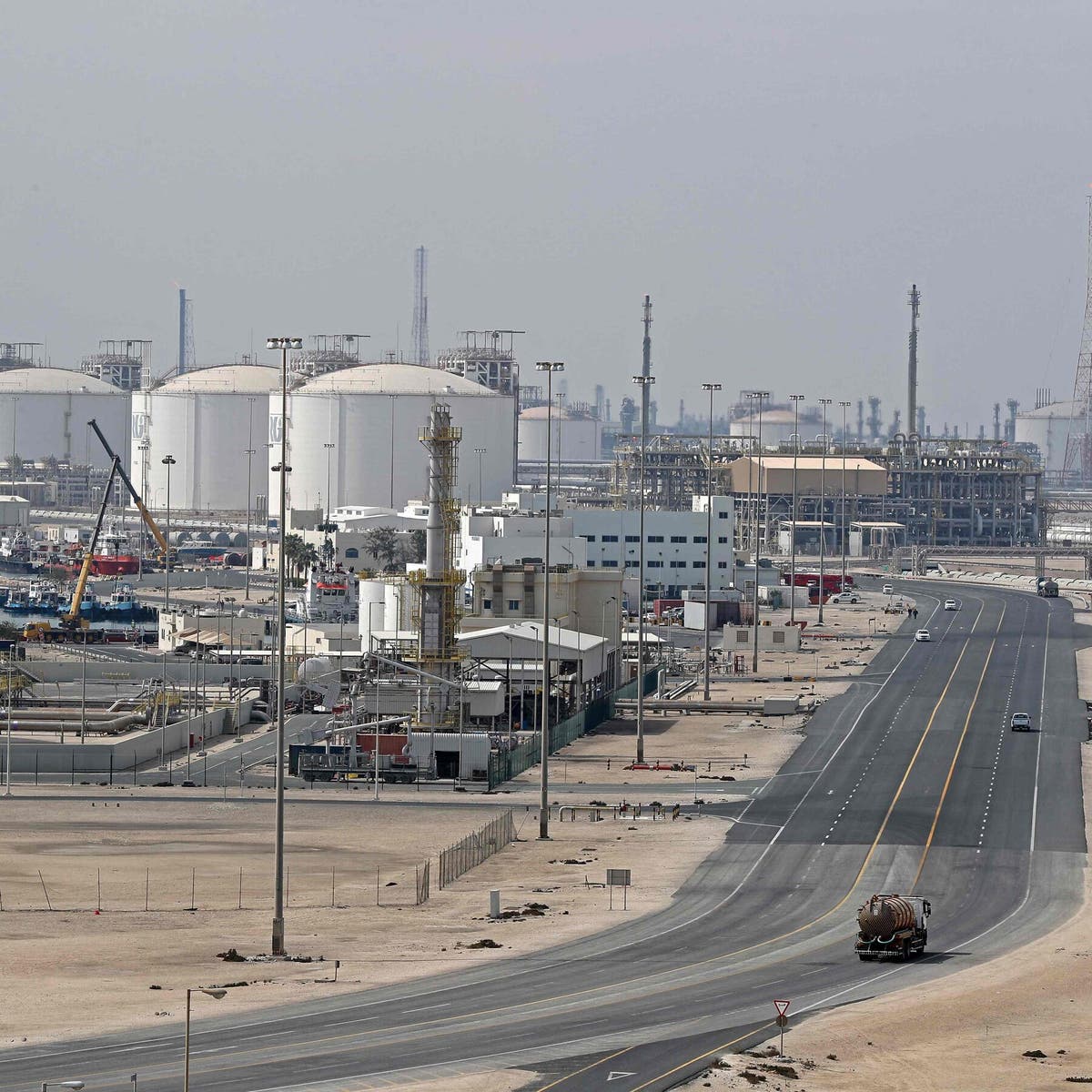
Global energy markets were thrown into turmoil on Thursday following an attack on Qatar’s Ras Laffan Industrial City — the world’s largest liquefied natural gas (LNG) facility. The strike, which Qatari officials have blamed on Iran, triggered a sharp rise in oil and gas prices and raised fears of a deepening Middle East conflict with far-reaching economic consequences.
Ras Laffan, located about 80 kilometers from Doha, is the backbone of Qatar’s gas industry, supplying nearly 20 percent of the world’s LNG. The country, one of the top global exporters, has built immense wealth and influence through its gas reserves, largely drawn from the massive North Dome field shared with Iran.
While the full extent of the damage remains unclear, early reports suggest a significant disruption. Qatar’s Energy Minister indicated that nearly 17 percent of LNG export capacity has been affected, with potential losses running into billions annually. Analysts warn that repairs to such a complex facility could take years, intensifying uncertainty in already strained energy markets.
The impact was immediate — European gas prices surged by up to 30 percent, highlighting the world’s heavy reliance on Qatar’s supply, particularly across Europe and Asia. With limited alternative sources and existing exporters operating at near full capacity, the disruption threatens to prolong volatility in global energy prices.
The attack follows an Israeli strike on Iran’s South Pars gas field, signaling a dangerous escalation. Experts suggest Iran may increasingly target energy infrastructure across the Gulf as part of a broader strategy to pressure its adversaries.
As tensions rise, the incident underscores a stark reality: in a world heavily dependent on energy networks, a single strike can ripple across continents — shaking economies, unsettling markets, and deepening geopolitical divides.
Global energy markets were thrown into turmoil on Thursday following an attack on Qatar’s Ras Laffan Industrial City — the world’s largest liquefied natural gas (LNG) facility. The strike, which Qatari officials have blamed on Iran, triggered a sharp rise in oil and gas prices and raised fears of a deepening Middle East conflict with far-reaching economic consequences.
Ras Laffan, located about 80 kilometers from Doha, is the backbone of Qatar’s gas industry, supplying nearly 20 percent of the world’s LNG. The country, one of the top global exporters, has built immense wealth and influence through its gas reserves, largely drawn from the massive North Dome field shared with Iran.
While the full extent of the damage remains unclear, early reports suggest a significant disruption. Qatar’s Energy Minister indicated that nearly 17 percent of LNG export capacity has been affected, with potential losses running into billions annually. Analysts warn that repairs to such a complex facility could take years, intensifying uncertainty in already strained energy markets.
The impact was immediate — European gas prices surged by up to 30 percent, highlighting the world’s heavy reliance on Qatar’s supply, particularly across Europe and Asia. With limited alternative sources and existing exporters operating at near full capacity, the disruption threatens to prolong volatility in global energy prices.
The attack follows an Israeli strike on Iran’s South Pars gas field, signaling a dangerous escalation. Experts suggest Iran may increasingly target energy infrastructure across the Gulf as part of a broader strategy to pressure its adversaries.
As tensions rise, the incident underscores a stark reality: in a world heavily dependent on energy networks, a single strike can ripple across continents — shaking economies, unsettling markets, and deepening geopolitical divides.