 Gerald Kyalo. (geraldbway).
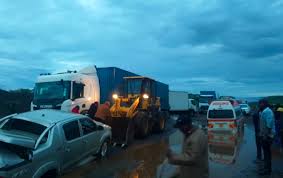
The Kenya National Highways Authority (KeNHA) has issued an urgent traffic advisory following severe flooding and silt deposition along the Mai Mahiu–Suswa–Narok (B7) road. In a notice dated March 19, 2026, the authority warned motorists of significant disruptions at Kedong Ranch near Suswa, where heavy rains have caused the road to flood, impeding the flow of traffic and posing serious safety risks.
KeNHA stated that its emergency response teams are actively working on the ground to restore normal traffic movement. The agency urged drivers to avoid attempting to drive through flooded areas, cautioning that such attempts could result in vehicles being swept away or becoming stuck in the silt, potentially leading to life-threatening situations.
The traffic advisory highlights the dangers associated with the continuing heavy rains that have been forecasted across the country. KeNHA emphasized the importance of motorists strictly adhering to the instructions of police officers and traffic marshals deployed in the affected areas. This directive aims to ensure not only smooth traffic flow but also the safety of all road users during adverse weather conditions.
In its advisory, KeNHA recommended that drivers who have not yet started their journeys delay travel until floodwaters recede. For travelers who must proceed, the authority suggested alternative routes to bypass the affected section of the B7 road. These alternative routes include Ngong–Suswa, Nairobi–Naivasha–Nakuru–Mau Narok–Narok, and Nairobi–Naivasha–Longonot–Suswa. The agency assured the public that it is working around the clock to clear debris, manage floodwater, and restore safe passage along the highway.
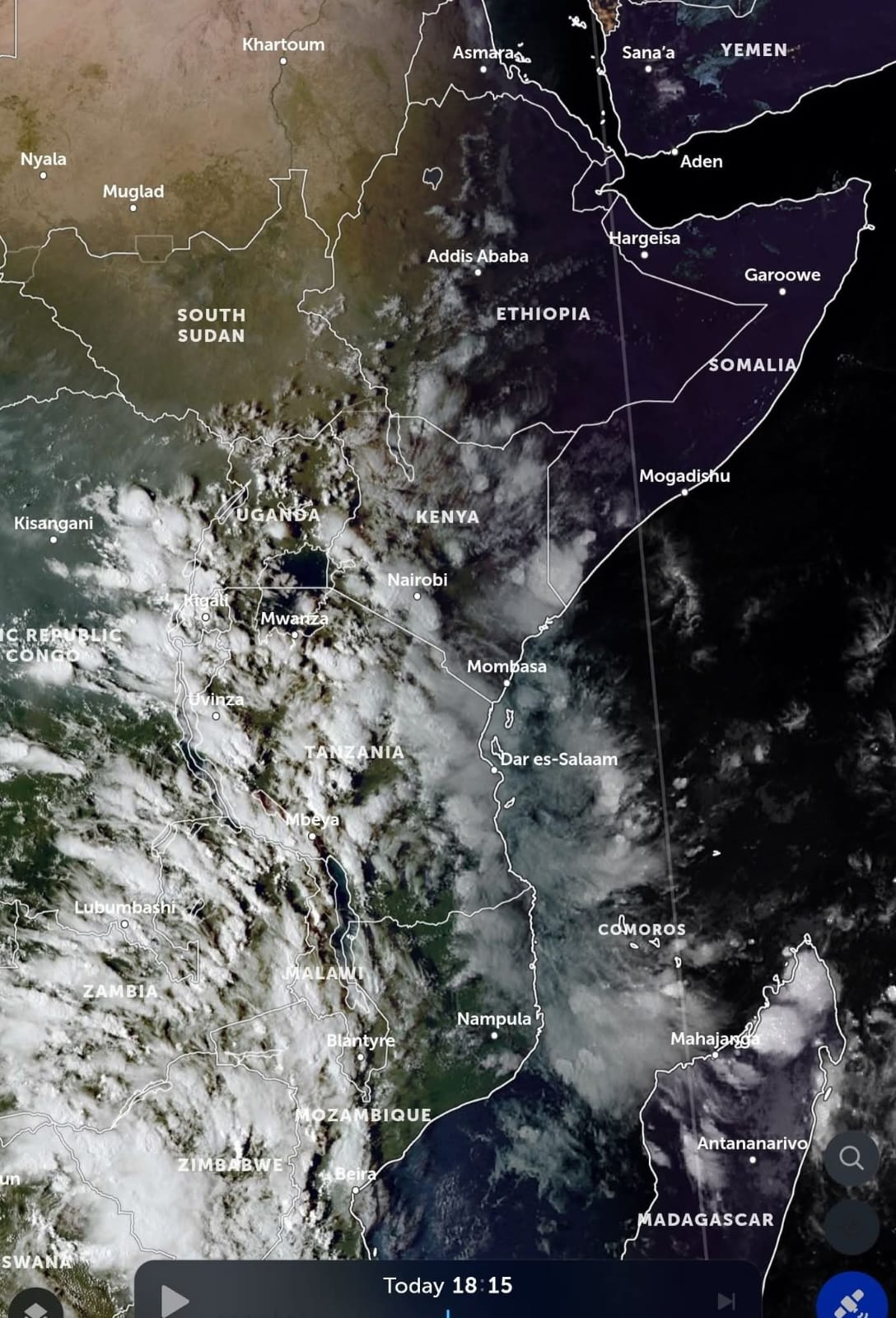
The advisory coincides with warnings from the Kenya Meteorological Department (KMD), which has forecasted heavy rainfall across large parts of the country throughout the weekend. According to KMD, counties expected to experience intense rainfall include Turkana, Samburu, Migori, Nyamira, Bungoma, Busia, Kakamega, Vihiga, West Pokot, Baringo, Elgeyo Marakwet, Trans Nzoia, Nandi, Uasin Gishu, Nakuru, Siaya, Kisumu, Homa Bay, Kisii, Kericho, Bomet, Kiambu, Embu, Murang’a, Kirinyaga, Nyandarua, Nyeri, Laikipia, Tharaka-Nithi, and Meru.
The capital city, Nairobi, and other key counties, including Narok, Kajiado, Makueni, Machakos, Taita Taveta, Kitui, Kwale, Mombasa, Kilifi, and Garissa, as well as parts of Marsabit, Isiolo, Wajir, Mandera, and Tana River, are also expected to experience heavy downpours. KMD has cautioned residents in these areas to exercise heightened vigilance due to the potential for floods, flash floods, and poor visibility on roads.
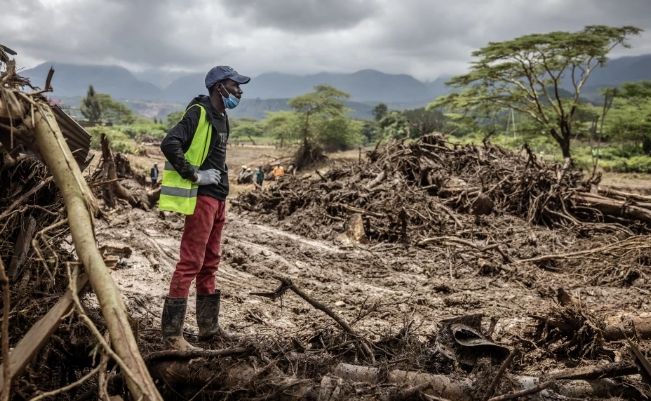
The flooding on the B7 road comes after persistent rainfall has affected several regions, resulting in rivers overflowing, soil erosion, and accumulation of silt along key highways. Kedong Ranch, in particular, has been severely affected, making travel hazardous for motorists. Local authorities and emergency teams are closely monitoring water levels, while KeNHA is working on measures to prevent further damage to road infrastructure.
Motorists are reminded that even seemingly shallow floodwaters can be extremely dangerous, as strong currents may sweep vehicles off the road. The agency stressed that the combination of water and silt could create hidden hazards, including potholes, soft spots, and areas of weakened pavement, which may collapse under the weight of vehicles.
To mitigate the impact of heavy rains, KeNHA has deployed additional teams to the affected areas to facilitate drainage, remove debris, and ensure traffic marshals guide motorists safely. These measures are part of broader efforts to maintain key transport corridors and prevent major disruptions to trade and daily commutes.
The public advisory also highlights the importance of planning ahead when traveling during the rainy season. Motorists are encouraged to check weather forecasts, adhere to road safety guidelines, and remain patient when navigating areas prone to flooding. In addition, the agency is coordinating with local authorities to ensure that emergency services can reach motorists in need and provide timely assistance.
In conclusion, KeNHA reiterated its commitment to ensuring the safety of road users during the heavy rains. The authority stressed that it is working tirelessly to restore normal traffic flow along the Mai Mahiu–Suswa–Narok highway and urged the public to remain vigilant, cautious, and patient while the adverse weather conditions persist. Residents are advised to follow updates from official sources, avoid taking unnecessary risks, and use recommended alternative routes whenever possible.
KeNHA stated that its emergency response teams are actively working on the ground to restore normal traffic movement. The agency urged drivers to avoid attempting to drive through flooded areas, cautioning that such attempts could result in vehicles being swept away or becoming stuck in the silt, potentially leading to life-threatening situations.
The traffic advisory highlights the dangers associated with the continuing heavy rains that have been forecasted across the country. KeNHA emphasized the importance of motorists strictly adhering to the instructions of police officers and traffic marshals deployed in the affected areas. This directive aims to ensure not only smooth traffic flow but also the safety of all road users during adverse weather conditions.
In its advisory, KeNHA recommended that drivers who have not yet started their journeys delay travel until floodwaters recede. For travelers who must proceed, the authority suggested alternative routes to bypass the affected section of the B7 road. These alternative routes include Ngong–Suswa, Nairobi–Naivasha–Nakuru–Mau Narok–Narok, and Nairobi–Naivasha–Longonot–Suswa. The agency assured the public that it is working around the clock to clear debris, manage floodwater, and restore safe passage along the highway.
The advisory coincides with warnings from the Kenya Meteorological Department (KMD), which has forecasted heavy rainfall across large parts of the country throughout the weekend. According to KMD, counties expected to experience intense rainfall include Turkana, Samburu, Migori, Nyamira, Bungoma, Busia, Kakamega, Vihiga, West Pokot, Baringo, Elgeyo Marakwet, Trans Nzoia, Nandi, Uasin Gishu, Nakuru, Siaya, Kisumu, Homa Bay, Kisii, Kericho, Bomet, Kiambu, Embu, Murang’a, Kirinyaga, Nyandarua, Nyeri, Laikipia, Tharaka-Nithi, and Meru.
The capital city, Nairobi, and other key counties, including Narok, Kajiado, Makueni, Machakos, Taita Taveta, Kitui, Kwale, Mombasa, Kilifi, and Garissa, as well as parts of Marsabit, Isiolo, Wajir, Mandera, and Tana River, are also expected to experience heavy downpours. KMD has cautioned residents in these areas to exercise heightened vigilance due to the potential for floods, flash floods, and poor visibility on roads.
The flooding on the B7 road comes after persistent rainfall has affected several regions, resulting in rivers overflowing, soil erosion, and accumulation of silt along key highways. Kedong Ranch, in particular, has been severely affected, making travel hazardous for motorists. Local authorities and emergency teams are closely monitoring water levels, while KeNHA is working on measures to prevent further damage to road infrastructure.
Motorists are reminded that even seemingly shallow floodwaters can be extremely dangerous, as strong currents may sweep vehicles off the road. The agency stressed that the combination of water and silt could create hidden hazards, including potholes, soft spots, and areas of weakened pavement, which may collapse under the weight of vehicles.
To mitigate the impact of heavy rains, KeNHA has deployed additional teams to the affected areas to facilitate drainage, remove debris, and ensure traffic marshals guide motorists safely. These measures are part of broader efforts to maintain key transport corridors and prevent major disruptions to trade and daily commutes.
The public advisory also highlights the importance of planning ahead when traveling during the rainy season. Motorists are encouraged to check weather forecasts, adhere to road safety guidelines, and remain patient when navigating areas prone to flooding. In addition, the agency is coordinating with local authorities to ensure that emergency services can reach motorists in need and provide timely assistance.
In conclusion, KeNHA reiterated its commitment to ensuring the safety of road users during the heavy rains. The authority stressed that it is working tirelessly to restore normal traffic flow along the Mai Mahiu–Suswa–Narok highway and urged the public to remain vigilant, cautious, and patient while the adverse weather conditions persist. Residents are advised to follow updates from official sources, avoid taking unnecessary risks, and use recommended alternative routes whenever possible.