 Victor Elvis Mugambi
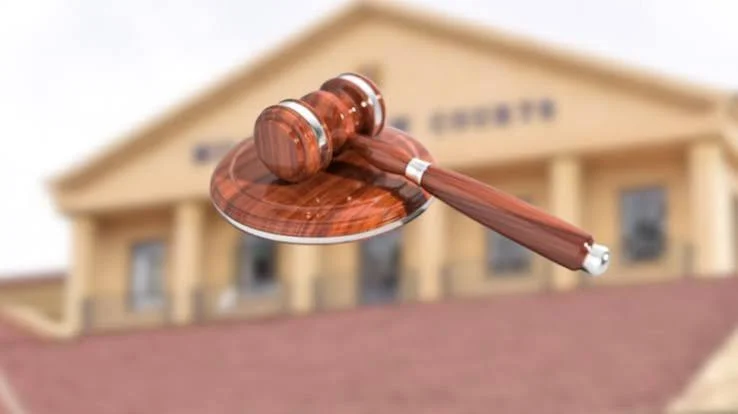
The High Court has delivered a decisive ruling by dismissing a petition that sought to bar retired presidents, deputy presidents, governors, and deputy governors from holding any other public office after completing their constitutional terms. This decision restores the legal eligibility of these high-profile former officials to pursue further elective or appointive government roles.
The Court's Ruling and Its Implications for Public Office Holders
This landmark ruling clarifies the legal standing of retired presidents, governors, and their deputies, emphasizing that there are no constitutional restrictions preventing them from seeking or holding new public offices once their terms have concluded. The decision is significant for the political landscape, as it impacts future electoral strategies and governance dynamics, allowing experienced leaders to remain active in public service.
As the legal precedent now stands, former officeholders who have served the maximum allowed terms are free to participate in future elections or accept appointments. This ruling provides a measure of clarity and certainty for politicians and political parties planning candidates for upcoming elections, reinforcing the principle of eligibility under the law.
While some critics argue that this decision could lead to the re-election of officials with extensive experience, others view it as a positive development that promotes continuity and seasoned leadership in government. The court's stance underlines that constitutional and legal frameworks permit these leaders to remain engaged in public service beyond their initial terms.
Looking ahead, this decision is likely to influence the political strategies of numerous former officeholders and their parties, shaping the electoral future and governance policies. It solidifies the legal basis for their participation, ensuring that experience and continuity are maintained within the political system.