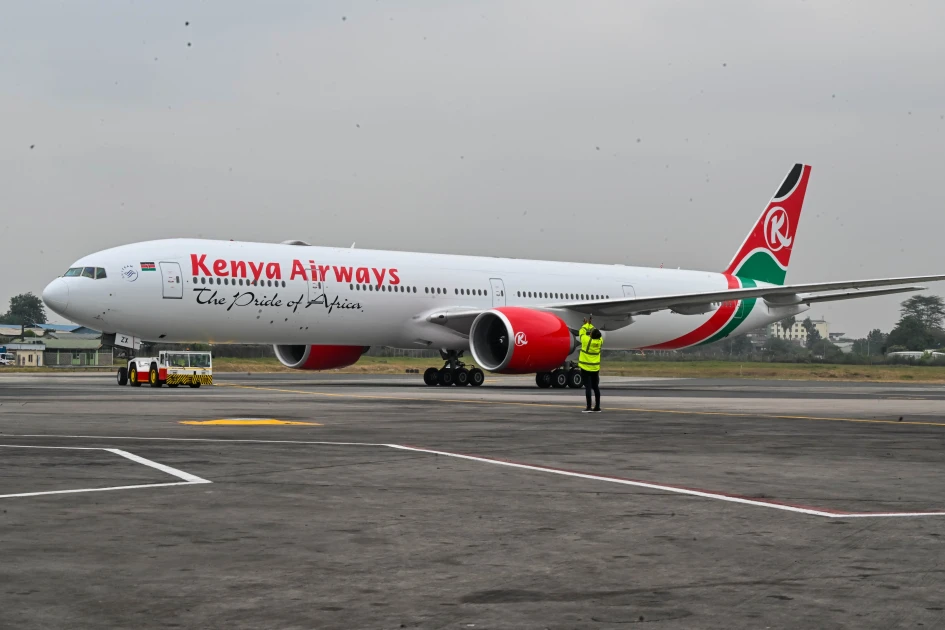
Kenya Airways, the national carrier, reported financial losses of more than US$7 million, approximately Ksh. 904.7 million, following a three-day industrial strike that severely disrupted its operations. The strike led to the cancellation of 63 flights and over 160 delays, with average delays exceeding six hours. The airline cited the losses as including lost revenue and costs related to passenger accommodation, meals, transportation, and flight rebooking.
The Impact of the Strike on Kenya Airways Operations and Finances
During the strike, Kenya Airways was forced to cancel numerous flights, significantly affecting passengers and the airline’s financial standing. The disruptions not only caused immediate financial losses but also potentially impacted the airline’s reputation and customer trust. The strike underscores ongoing challenges within the airline industry in Kenya, including labor disputes and operational resilience.
Industry analysts emphasize that such disruptions have broader implications for the airline’s financial health, affecting future revenue streams and operational stability. The loss of over Ksh.904 million highlights the need for strategic conflict resolution and improved contingency planning.
Government and airline officials have yet to release detailed statements on the dispute's resolution or measures taken to prevent future occurrences. The ongoing conflict raises questions about labor relations and management practices within Kenya Airways, necessitating dialogue to restore stability and confidence in the airline’s long-term prospects.
As the airline industry continues to navigate operational challenges, the Kenya Airways strike serves as a cautionary tale about the economic impact of labor disputes and the importance of effective crisis management in ensuring sustainable airline operations.