 Lilian Nyiva
EPRA Signals Shift Toward Alternative Energy Sources as Kenya Seeks to Lower Fuel Costs
The push to reduce fuel prices in Kenya has taken a new direction, with the Energy and Petroleum Regulatory Authority (EPRA) increasingly supporting alternative and renewable energy solutions aimed at reducing the country’s heavy dependence on imported petroleum products.
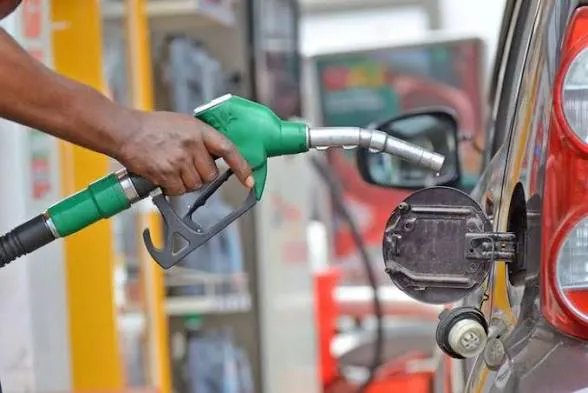
Kenya currently imports nearly all of its refined petroleum fuel, making local pump prices highly vulnerable to global oil market shocks, exchange rate fluctuations, and geopolitical tensions in oil-producing regions. Recent spikes in global crude oil prices have pushed fuel costs to record highs in the country, placing pressure on households, transport operators, and businesses.
According to EPRA’s latest fuel pricing updates, pump prices in Kenya have remained volatile in recent months due to rising international fuel costs and instability in global supply chains. The regulator has continued to review fuel prices monthly under the Petroleum Act 2019.
Amid the pressure, energy sector stakeholders are now looking at alternative fuel sources and cleaner energy technologies as a long-term solution to cushion Kenyans from future fuel shocks.
Among the alternatives being promoted are electric mobility, biofuels, geothermal energy, solar power, and battery energy storage systems. Kenya’s long-term energy strategy increasingly focuses on reducing reliance on fossil fuels while expanding renewable energy capacity.
Kenya is already regarded as one of Africa’s leading renewable energy producers, with geothermal power contributing a significant share of the national electricity supply. The country also continues to invest in wind and solar energy projects as part of efforts to create a cleaner and more affordable energy mix.
Energy experts argue that expanding alternative energy use could eventually reduce demand for imported petroleum products, easing pressure on pump prices over time. Electric public transport, in particular, has been identified as a potential game changer in reducing fuel consumption and transport costs in urban centres such as Nairobi.
The move toward alternative fuels comes at a time when Kenya has experienced sharp fuel price increases linked to global tensions in the Middle East and disruptions in international oil supply routes. In April 2026, EPRA announced one of the steepest fuel price increases in recent years after global crude prices surged.
To cushion consumers, the government has previously used measures such as fuel stabilization funds and tax adjustments. However, analysts say such interventions provide only temporary relief and that investment in alternative energy remains the more sustainable long-term solution.
EPRA has also continued to emphasize energy efficiency and renewable energy expansion in its broader regulatory framework. The authority’s energy plans project a gradual reduction in fossil fuel use while increasing the role of renewable energy technologies across the country.
As fuel prices continue to affect the cost of living, Kenya’s transition toward alternative energy sources is expected to play a critical role in shaping the future of transport, energy affordability, and economic stability.