 Gerald Kyalo. (geraldbway).
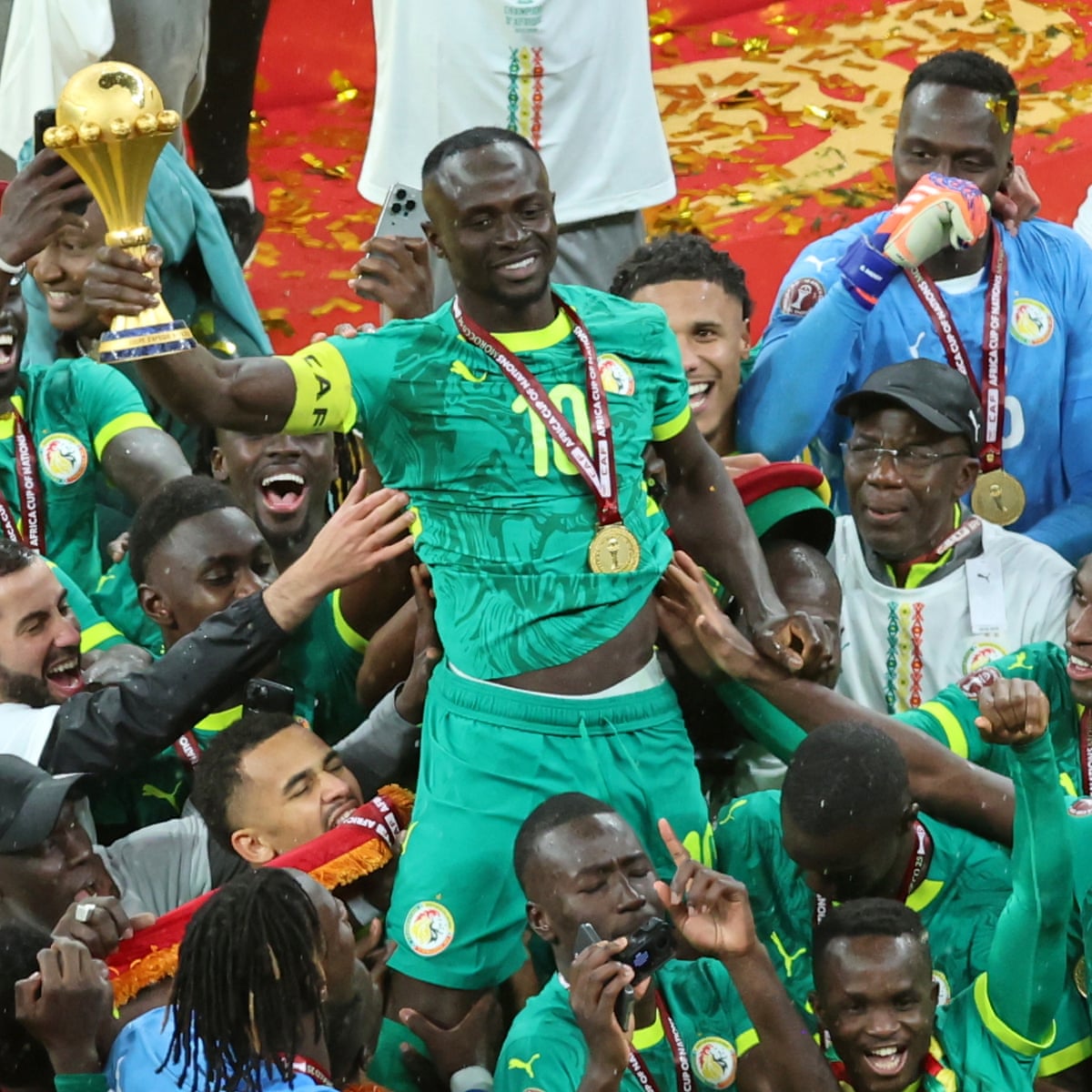
Officials from Football Kenya recently conducted a benchmarking visit during the last Africa Cup of Nations (AFCON) tournament held in Morocco, aiming to evaluate the standards set by other nations in organizing major football events. The delegation, comprising senior sports administrators, observed the infrastructure, logistics, and overall management of the tournament to identify gaps that Kenya must address if it hopes to successfully host continental competitions in the future.
“We established that for Kenya to match the standards set during the competition in Morocco, we must enhance the budget,” a senior official said on February 19. The statement reflects the growing recognition among sports administrators that hosting a major continental tournament requires substantial investment, not just in stadiums, but in training facilities, team accommodation, transportation, and fan engagement strategies.
Despite these findings, Members of Parliament have maintained that Kenya’s financial commitment to sports and hosting responsibilities should reflect the collaborative nature of the tournament. The AFCON 2026 edition will be co-hosted with two other countries, a move expected to distribute responsibilities and reduce the fiscal pressure on any single nation. MPs argue that co-hosting should inherently ease Kenya's financial burden and that careful budgeting can ensure that the country fulfills its obligations without overextending public funds.
The parliamentary committee responsible for sports oversight expressed cautious support for Kenya’s hosting ambitions, even as it rejected a proposed increase in the Sports Ministry’s budget. “While we understand the ministry’s requirements, it is critical that the financial commitments align with the shared hosting arrangement. We cannot allocate excessive resources without clear justification,” one committee member explained during discussions held earlier this month.
Nonetheless, the committee assured the Ministry of its support in engaging the National Treasury to release the hosting fee required to meet Kenya’s obligations as a co-host. This collaborative approach reflects a balanced strategy where lawmakers emphasize fiscal responsibility while recognizing the potential benefits of hosting major sports events. Hosting AFCON is widely viewed not only as a sporting milestone but also as an opportunity to boost tourism, create jobs, and enhance Kenya’s international profile in sports development.
According to the Budget Policy Statement for the 2026/27 financial year, the proposed ceiling for the Sports Department stands at Ksh.25.49 billion. Of this, Ksh.7.38 billion is earmarked for recurrent expenditure, covering operational costs such as salaries, routine maintenance, and day-to-day departmental functions. The remaining Ksh.18.11 billion is allocated for development projects, which include upgrading sports facilities, building new stadiums, improving training grounds, and other capital-intensive initiatives aimed at raising Kenya’s sporting standards to international levels.
The discussion around the Sports Ministry’s budget comes at a time when the government is under increasing pressure to deliver on its promises of sporting excellence. Football, in particular, has attracted significant attention, with national teams striving to compete on par with other African powerhouses. Officials note that investments in infrastructure and player development are critical to nurturing local talent and ensuring that Kenya’s teams are competitive in continental tournaments.
Experts suggest that hosting AFCON successfully could serve as a catalyst for broader sports development in the country. “When done right, such events can accelerate investments in youth academies, coaching programs, and sports science facilities. They also provide an avenue to engage local communities and inspire the next generation of athletes,” a sports analyst noted.
However, the balancing act between ambition and fiscal prudence remains delicate. MPs have emphasized that any additional spending must be justified and transparent, ensuring taxpayers’ money is utilized efficiently. They point to the importance of detailed planning, accountability measures, and oversight mechanisms to prevent cost overruns or mismanagement, which have been challenges in past sports projects.
Moreover, Kenya’s experience hosting co-ed and multi-country events will be critical in determining the country’s capacity to manage logistics, security, and fan engagement on a continental scale. Lessons learned from the Morocco benchmarking visit are expected to inform strategic decisions on resource allocation, stadium preparation, and partnership models with private entities and neighboring co-host nations.
The Sports Ministry has vowed to continue engaging Parliament and the National Treasury to ensure Kenya meets its hosting obligations while maintaining budgetary discipline. Officials argue that this collaboration will provide the necessary financial backing to implement key infrastructure projects and enhance the country’s sports ecosystem, positioning Kenya as a leading sporting nation in Africa.
In conclusion, while the debate over Kenya’s sports budget continues, there is broad consensus on the importance of strategic investment. Hosting AFCON is not merely about football—it represents an opportunity to elevate Kenya’s sporting standards, stimulate economic growth, and project the country as a hub for international sports events. By combining prudent budgeting with ambitious planning, Kenya aims to strike a balance between fiscal responsibility and sports excellence, ensuring that the nation is well-prepared to host one of Africa’s most prestigious tournaments.
“We established that for Kenya to match the standards set during the competition in Morocco, we must enhance the budget,” a senior official said on February 19. The statement reflects the growing recognition among sports administrators that hosting a major continental tournament requires substantial investment, not just in stadiums, but in training facilities, team accommodation, transportation, and fan engagement strategies.
Despite these findings, Members of Parliament have maintained that Kenya’s financial commitment to sports and hosting responsibilities should reflect the collaborative nature of the tournament. The AFCON 2026 edition will be co-hosted with two other countries, a move expected to distribute responsibilities and reduce the fiscal pressure on any single nation. MPs argue that co-hosting should inherently ease Kenya's financial burden and that careful budgeting can ensure that the country fulfills its obligations without overextending public funds.
The parliamentary committee responsible for sports oversight expressed cautious support for Kenya’s hosting ambitions, even as it rejected a proposed increase in the Sports Ministry’s budget. “While we understand the ministry’s requirements, it is critical that the financial commitments align with the shared hosting arrangement. We cannot allocate excessive resources without clear justification,” one committee member explained during discussions held earlier this month.
Nonetheless, the committee assured the Ministry of its support in engaging the National Treasury to release the hosting fee required to meet Kenya’s obligations as a co-host. This collaborative approach reflects a balanced strategy where lawmakers emphasize fiscal responsibility while recognizing the potential benefits of hosting major sports events. Hosting AFCON is widely viewed not only as a sporting milestone but also as an opportunity to boost tourism, create jobs, and enhance Kenya’s international profile in sports development.
According to the Budget Policy Statement for the 2026/27 financial year, the proposed ceiling for the Sports Department stands at Ksh.25.49 billion. Of this, Ksh.7.38 billion is earmarked for recurrent expenditure, covering operational costs such as salaries, routine maintenance, and day-to-day departmental functions. The remaining Ksh.18.11 billion is allocated for development projects, which include upgrading sports facilities, building new stadiums, improving training grounds, and other capital-intensive initiatives aimed at raising Kenya’s sporting standards to international levels.
The discussion around the Sports Ministry’s budget comes at a time when the government is under increasing pressure to deliver on its promises of sporting excellence. Football, in particular, has attracted significant attention, with national teams striving to compete on par with other African powerhouses. Officials note that investments in infrastructure and player development are critical to nurturing local talent and ensuring that Kenya’s teams are competitive in continental tournaments.
Experts suggest that hosting AFCON successfully could serve as a catalyst for broader sports development in the country. “When done right, such events can accelerate investments in youth academies, coaching programs, and sports science facilities. They also provide an avenue to engage local communities and inspire the next generation of athletes,” a sports analyst noted.
However, the balancing act between ambition and fiscal prudence remains delicate. MPs have emphasized that any additional spending must be justified and transparent, ensuring taxpayers’ money is utilized efficiently. They point to the importance of detailed planning, accountability measures, and oversight mechanisms to prevent cost overruns or mismanagement, which have been challenges in past sports projects.
Moreover, Kenya’s experience hosting co-ed and multi-country events will be critical in determining the country’s capacity to manage logistics, security, and fan engagement on a continental scale. Lessons learned from the Morocco benchmarking visit are expected to inform strategic decisions on resource allocation, stadium preparation, and partnership models with private entities and neighboring co-host nations.
The Sports Ministry has vowed to continue engaging Parliament and the National Treasury to ensure Kenya meets its hosting obligations while maintaining budgetary discipline. Officials argue that this collaboration will provide the necessary financial backing to implement key infrastructure projects and enhance the country’s sports ecosystem, positioning Kenya as a leading sporting nation in Africa.
In conclusion, while the debate over Kenya’s sports budget continues, there is broad consensus on the importance of strategic investment. Hosting AFCON is not merely about football—it represents an opportunity to elevate Kenya’s sporting standards, stimulate economic growth, and project the country as a hub for international sports events. By combining prudent budgeting with ambitious planning, Kenya aims to strike a balance between fiscal responsibility and sports excellence, ensuring that the nation is well-prepared to host one of Africa’s most prestigious tournaments.