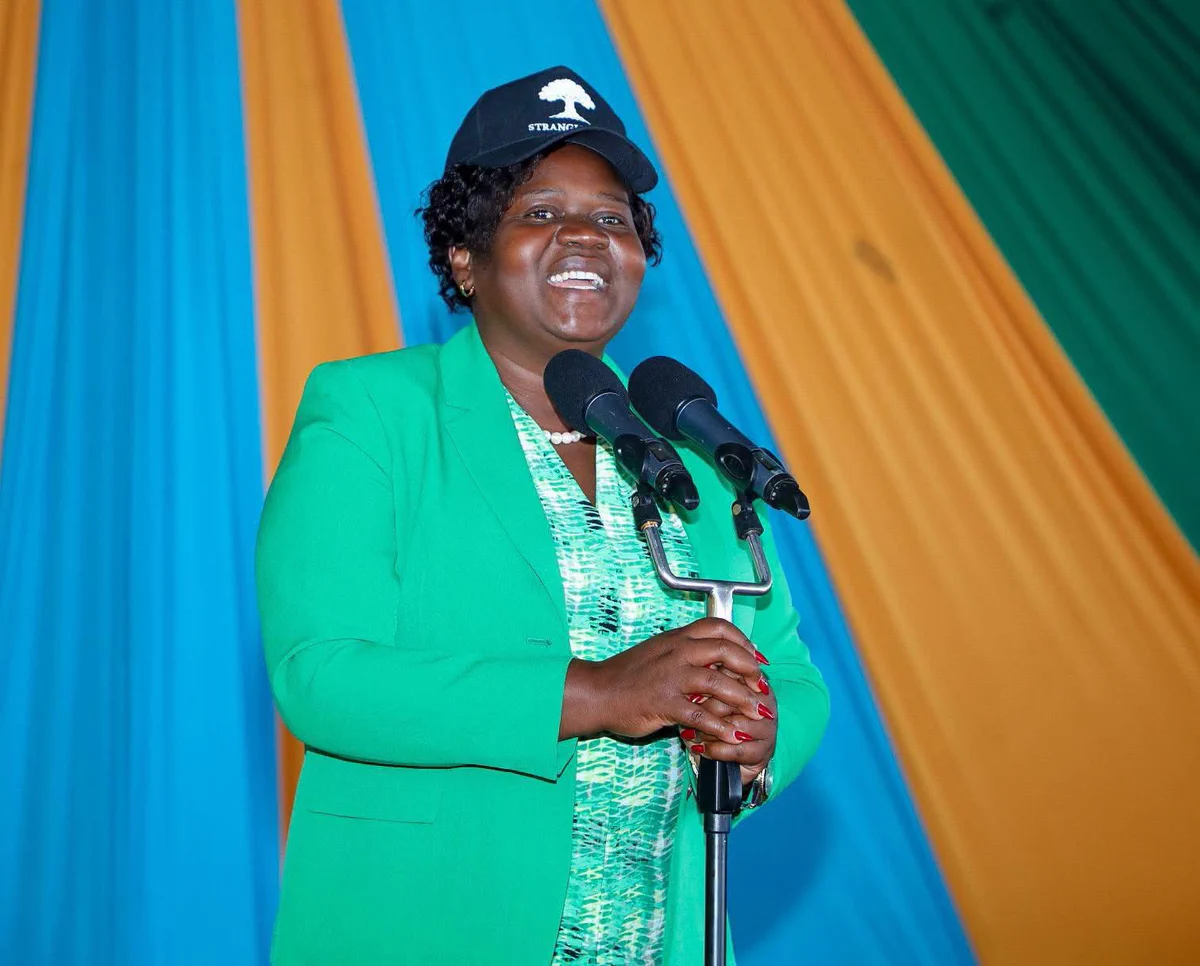
Cancer control advocates in Kenya have publicly defended Homa Bay Governor Gladys Wanga following online criticism she received for sharing her personal health journey. Wanga disclosed that she has been battling cancer for 12 years, sparking a dialogue about transparency and resilience in leadership and health advocacy.
Kenyan Cancer Control and the Role of Advocacy
In the context of Kenyan cancer control, advocates emphasize the importance of openness and support for individuals affected by cancer. The Kenyan Network of Cancer Organisations (KENCO) stated that Wanga's openness helps combat stigma, encourages others to seek help, and fosters a supportive community environment. This stance aligns with ongoing efforts to improve cancer awareness and response within Kenya's healthcare framework.
Kenyan cancer control strategies focus on enhancing diagnosis, treatment, and public awareness, as highlighted by recent initiatives such as the expansion of access to cancer diagnosis and treatment services and the appointment of new leadership in national cancer institutions. These efforts are crucial in addressing the rising rates of cancers such as cervical and breast cancer, which are now among the leading causes of death in Kenya.
Wanga’s disclosure and the support she received underscore a broader trend in Kenya aimed at destigmatizing cancer and encouraging dialogue. Advocacy groups highlight that sharing personal stories is vital in breaking barriers and fostering a more inclusive approach to cancer care and prevention.
While the debate around disclosures like Wanga’s continues, it is clear that increased openness plays a significant role in shaping policy and community responses to cancer. As Kenya continues to develop its national cancer control program, integrating personal narratives and community voices will be essential to crafting effective health strategies.