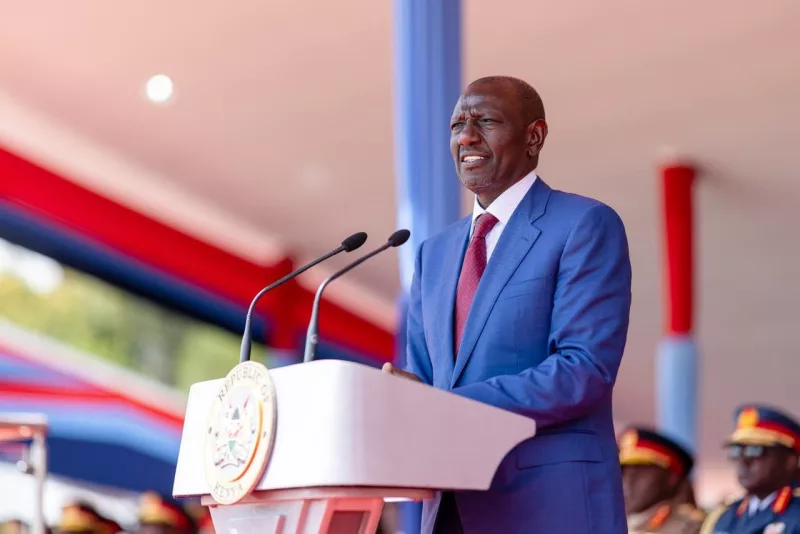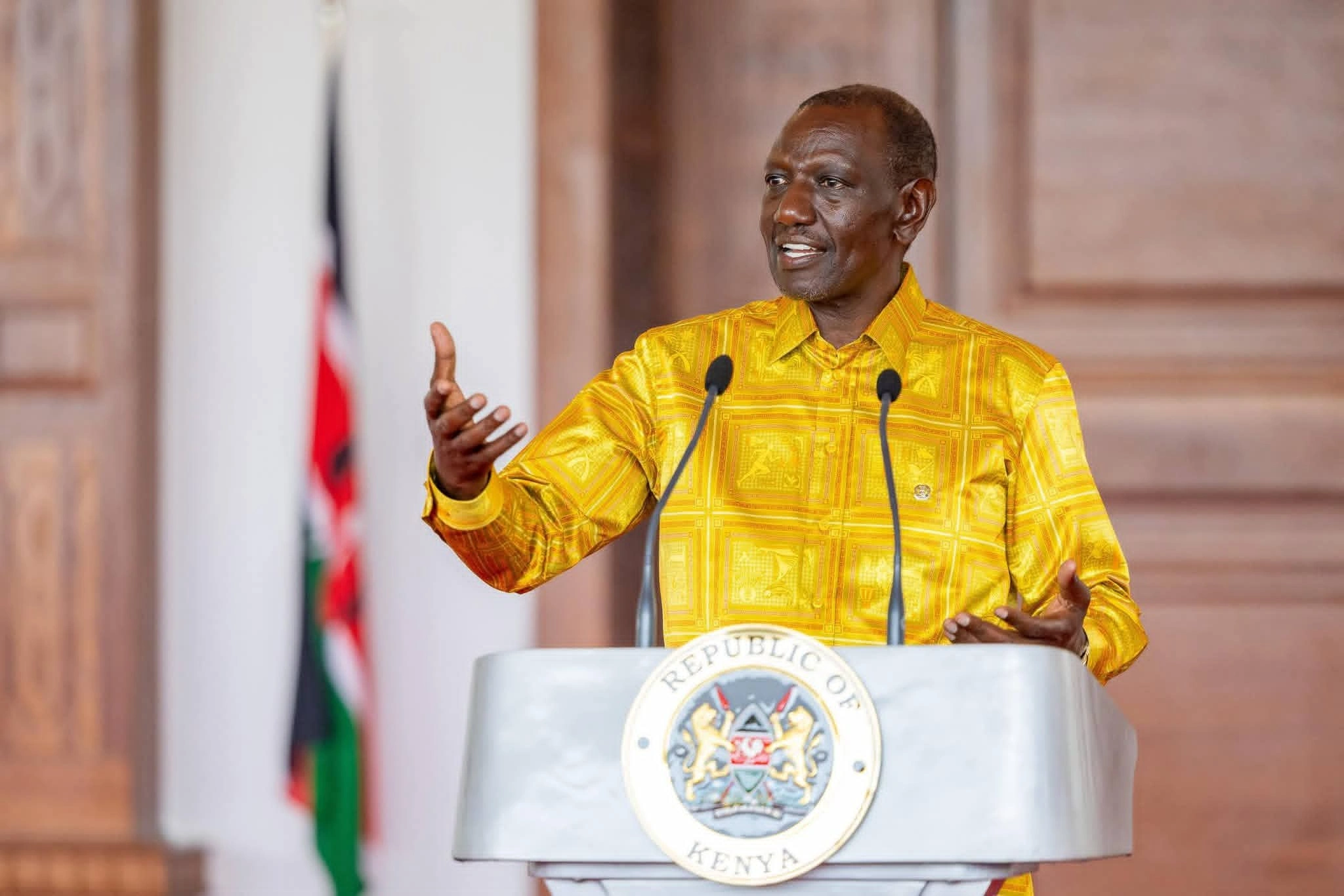
President William Ruto has acknowledged the constitutional implications of a recent High Court ruling that declared Kenya’s next presidential election would be held in August 2026 instead of August 2027. Ruto stated that he is fully aware of the ruling and its potential impact on his administration, including questions about the constitutional validity of his Cabinet.
Ruto Seeks Extended Court Proceedings to Clarify Constitutional Issues
During the 16th Katiba Day symposium at the Kenyatta International Convention Centre (KICC), Ruto addressed concerns regarding the court's decision, especially those related to the constitutional status of his Cabinet. He emphasized his commitment to upholding the rule of law and expressed his intention to seek more time from the court to fully understand and respond to the ruling.
The ruling has raised significant questions about the constitutional framework governing Kenya’s electoral and executive processes. Ruto's approach indicates a desire to work within the legal system, even as he confronts these complex constitutional issues. The government is expected to engage further with the judiciary to resolve these matters expediently.
Legal analysts highlight that this situation underscores the importance of clear constitutional guidelines on election timing and cabinet legitimacy. Ruto's acknowledgment and request for additional court time showcase the executive's willingness to operate transparently and within legal boundaries as Kenya navigates this constitutional challenge.
The unfolding scenario illustrates the complex interplay between judiciary decisions and executive authority in Kenya, emphasizing the critical need for legal clarity to ensure stable governance and uphold democratic processes.