 Victor Elvis Mugambi
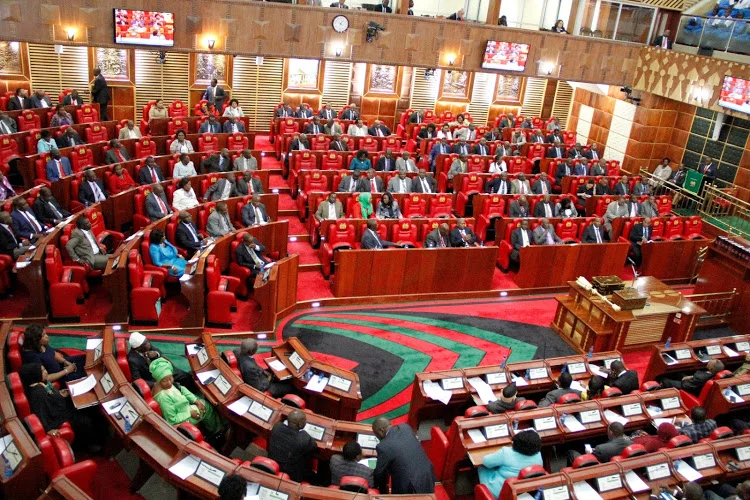
In a notable development within the legislative process, forty Members of Parliament (MPs) have expressed opposition to the Finance Bill 2026, which is now headed to the President for approval. This opposition underscores a significant legislative deadlock that could affect the government's policy trajectory and stability.
Legislative Deadlock Challenges Policy Implementation
The opposition from these MPs raises questions about the legislative consensus needed for effective governance. As the bill advances to the presidential office, stakeholders are watching closely to see whether this opposition will influence the final decision or trigger further parliamentary debates.
The political dynamics at play highlight the complexities of passing budget and fiscal legislation in a polarized environment. The outcome of this process will be pivotal in shaping fiscal policy and government spending for the upcoming fiscal year.
Observers suggest that the opposition's stance may stem from broader disagreements over economic policy, resource allocation, or political alliances. The final decision by the President could either resolve the deadlock or exacerbate existing political tensions.
As the situation unfolds, the implications for governance and policy consistency remain critical. The government and opposition are under pressure to find common ground to ensure legislative stability and public confidence.