 Victor Elvis Mugambi
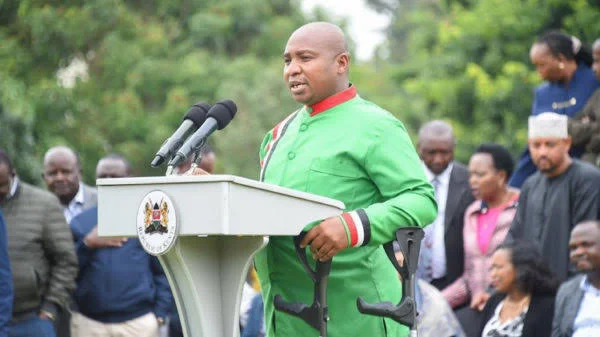
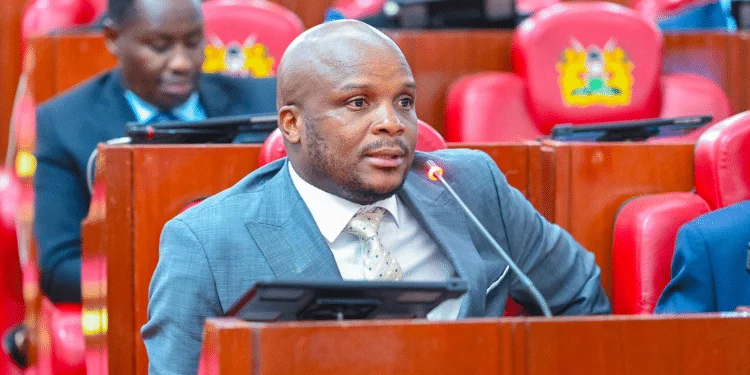
In recent comments, Kenyan politician David Ole Sankok has voiced his concerns over the increasing tendency to blame former presidents for a range of national issues. His statements highlight a broader trend of political overstretch, where blame is frequently shifted without comprehensive accountability. This phenomenon raises questions about the effectiveness and maturity of Kenya's governance and political culture.
The implications of political blame games in Kenya
Sankok pointed out that blame for issues such as empty coffers, the JKIA blackout, leaking roofs, and even sponsoring disputes are often directed at former presidents. While accountability is vital, overextending blame can hinder constructive policy discussions and solutions. This pattern of political overstretch risks undermining governance structures and delaying necessary reforms.
Such overblown blame games may also have public consequences. They can erode trust in leadership and foster cynicism among citizens. When political figures focus on assigning blame rather than addressing root causes, it diminishes the prospects for effective governance and national development.
Experts suggest that for Kenya to advance, political leaders must shift from accusatory rhetoric to collaborative problem-solving. Constructive dialogue and targeted policy measures are essential to counteract the pitfalls of political overstretch and build a more resilient governance framework.
Ultimately, Sankok’s critique serves as a call for political maturity and accountability within Kenya’s leadership. Moving beyond blame and focusing on tangible solutions can help foster stability, credibility, and progress in the country’s political landscape.