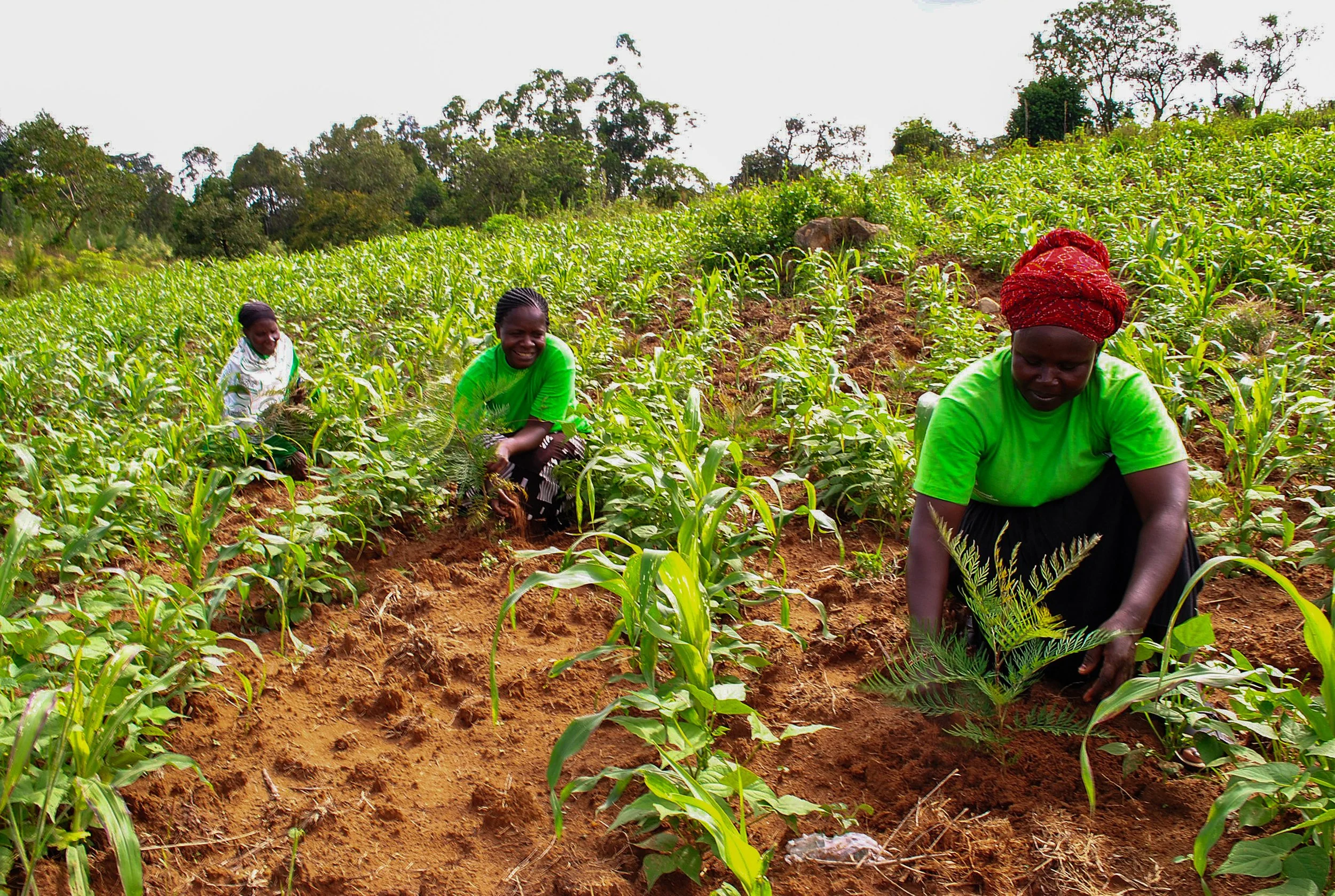
Farmers in Siaya County are turning to biochar technology as a sustainable solution to enhance soil fertility, reduce acidity, and improve water and nutrient retention. This innovative approach aims to increase agricultural productivity while decreasing dependence on costly synthetic fertilizers. The adoption of biochar is rooted in extensive research carried out by various institutions under the Bio Kenya Research Project, focusing on the counties of Siaya, Busia, and Kisumu.
Biochar’s Role in Sustainable Agriculture in Siaya
Biochar technology is gaining popularity among local farmers due to its ability to improve soil quality and environmental management. This method involves converting organic waste into a stable form of carbon that can be added to the soil, thereby boosting crop yields and promoting sustainable farming practices. The positive results documented by recent studies showcase biochar’s potential to transform smallholder farming in the region.
As farmers in Siaya increasingly adopt biochar, the technology not only supports higher crop productivity but also contributes to environmental conservation by sequestering carbon and reducing the need for chemical inputs. Continued research and government support are vital to mainstreaming biochar as a core component of sustainable agriculture efforts in Kenya.
The move toward biochar is part of a broader strategy to enhance food security and foster rural development in Siaya County. Policymakers and agricultural extension services are encouraged to promote the use of biochar and provide farmers with the necessary training and resources to implement this environmentally friendly technology effectively.