 Wambui Faith
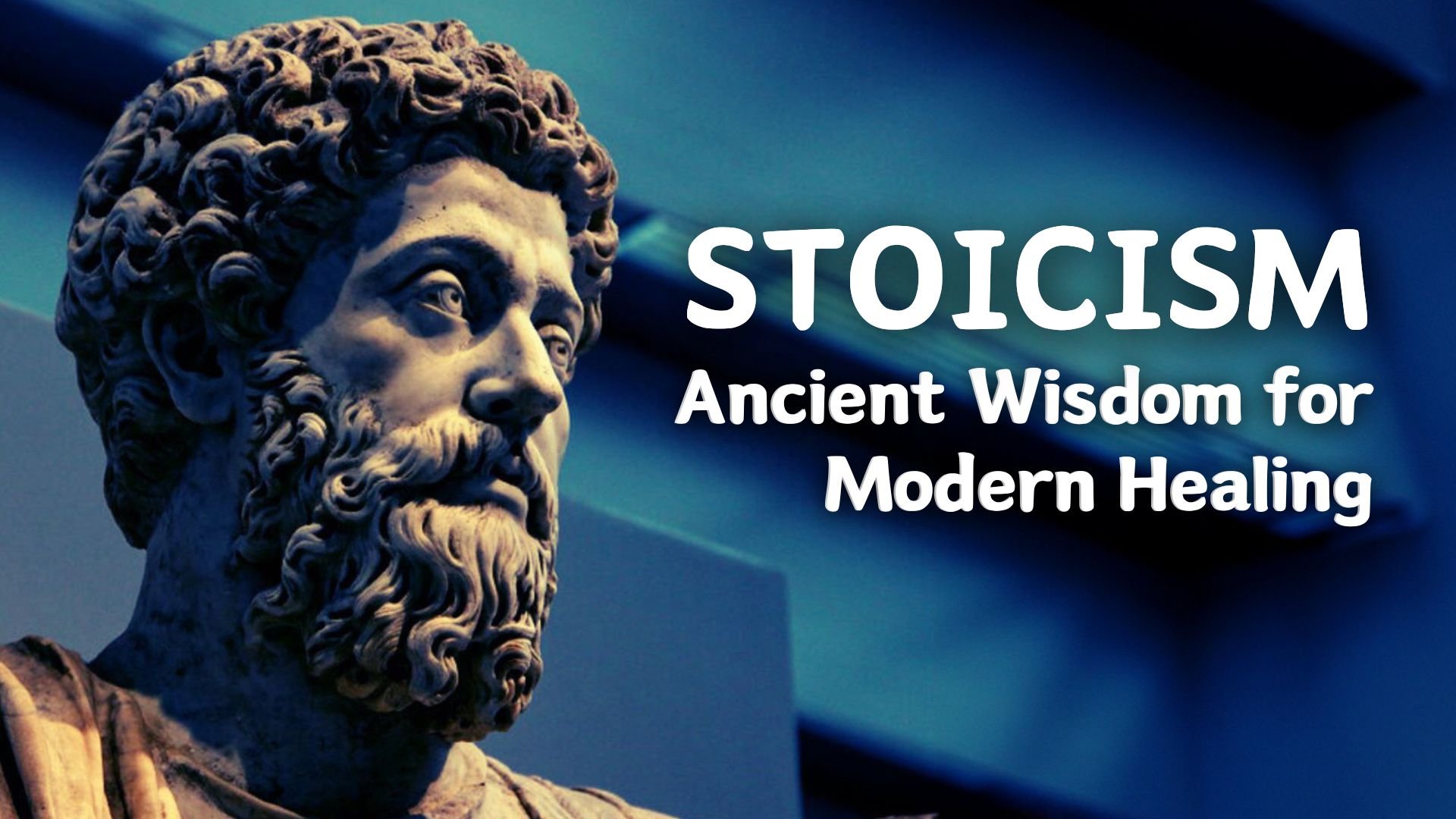
In a world filled with uncertainty, emotional highs and lows, and constant pressure, many people are searching for a steady way to navigate life. One timeless philosophy that continues to offer clarity and strength is .
Rooted in ancient wisdom yet deeply relevant today, Stoicism is not about suppressing emotions or living a cold, detached life. Instead, it teaches us how to live with wisdom, resilience, and inner peace—no matter what life brings.
What is Stoicism?
Stoicism is a philosophy founded in ancient Greece by around the 3rd century BCE. It was later developed by influential thinkers such as , , and .
At its core, Stoicism teaches that:
- We cannot control everything that happens to us
- But we can control how we respond
This simple but powerful truth forms the foundation of a peaceful and purposeful life.
The Core Principles of Stoicism
1. Focus on What You Can Control
Stoicism divides life into two parts:
- Things you can control (your thoughts, actions, choices)
- Things you cannot control (other people, outcomes, circumstances)
Peace comes when you release what you cannot control and take responsibility for what you can.
2. Embrace Challenges as Growth
Stoics believe that difficulties are not punishments—they are opportunities to grow stronger. Instead of asking, “Why is this happening to me?” they ask, “What can this teach me?”
Every trial becomes a training ground for resilience.
3. Practice Emotional Discipline
Stoicism doesn’t deny emotions; it teaches mastery over them. You learn to respond thoughtfully rather than react impulsively. This leads to wisdom in decision-making and stability in relationships.
4. Live with Virtue
For Stoics, the highest good is living a virtuous life—guided by:
- Wisdom
- Courage
- Justice
- Self-control
Success is not measured by wealth or status, but by character.
Stoicism in Everyday Life
Stoicism is not just theory—it’s practical. Here’s how it shows up in real life:
- When someone hurts you, instead of reacting in anger, you pause and choose peace.
- When plans fail, you adjust instead of falling apart.
- When life feels unfair, you remain grounded and focused on your purpose.
It helps you become emotionally strong without losing compassion.
Stoicism and Inner Peace
One of the greatest gifts of Stoicism is inner peace. By accepting life as it is and focusing on your response, you free yourself from unnecessary stress, anxiety, and frustration.
You begin to understand that:
- Not everything needs your reaction
- Not every battle is worth fighting
- Not every delay is denial
There is power in calmness.
A Faith-Aligned Perspective
While Stoicism is a philosophy, its principles can beautifully align with faith. Trusting God with what you cannot control while being faithful in what you can reflects both spiritual wisdom and Stoic discipline.
It reminds us that surrender is not weakness—it is strength under guidance.
Conclusion
Stoicism is an invitation to live differently—to rise above chaos, to respond with wisdom, and to build a life anchored in purpose and peace.
In moments of pain, it teaches endurance.
In moments of success, it teaches humility.
In all seasons, it teaches balance.
As you walk through life’s journey, remember:
You may not control everything that happens, but you can always control who you become through it.