 Wambui Faith
For decades, the "starving artist" was a cliché in Kenya. But as we move through 2026, a massive shift is happening. From the murals of Kibera to the digital galleries of Mint.ke, Kenyan art is no longer just a hobby—it’s an economic engine contributing 5% to the national GDP.
But let’s talk straight: Does it actually pay?
1. The Paycheck: What do Kenyan Artists Earn?
Recent data from 2026 shows a wide spectrum of earnings. While a few "Blue Chip" Kenyan painters sell pieces for millions at international auctions, the average professional is finding their footing in a new middle class.
Visual Artists (Painters/Sculptors): Entry-level artists are currently netting between Ksh 40,000 and Ksh 125,000 per month. For those with over 5 years of consistent brand building, that figure can jump to over Ksh 230,000.
Digital & Graphic Artists: This is the fastest-growing sector. With the rise of the "Creative Economy," skilled designers are commanding salaries ranging from Ksh 50,000 to Ksh 500,000+ depending on their niche (UI/UX, 3D Animation, or Brand Strategy).
The "Gig" Reality: Many artists still rely on commissions. A single mural in a Nairobi "cool" office can fetch between Ksh 150,000 and Ksh 500,000, but these aren't monthly occurrences.
2. The Cost of Doing Business
To make money, you have to spend it. The "cost of art" in Kenya includes:
Studio Space: Rent in creative hubs like Kilimani or Westlands ranges from Ksh 15,000 to Ksh 45,000 for a shared space.
Materials: Quality acrylics, canvases, or high-end digital tablets are largely imported, meaning prices fluctuate with the shilling. Expect to spend Ksh 10,000+ monthly on basic supplies.
Digital Visibility: In 2026, if you aren't online, you don't exist. Budgeting for high-quality photography of your work and social media promotion is now a standard business expense.
3. The Ministry Behind the Masterpiece
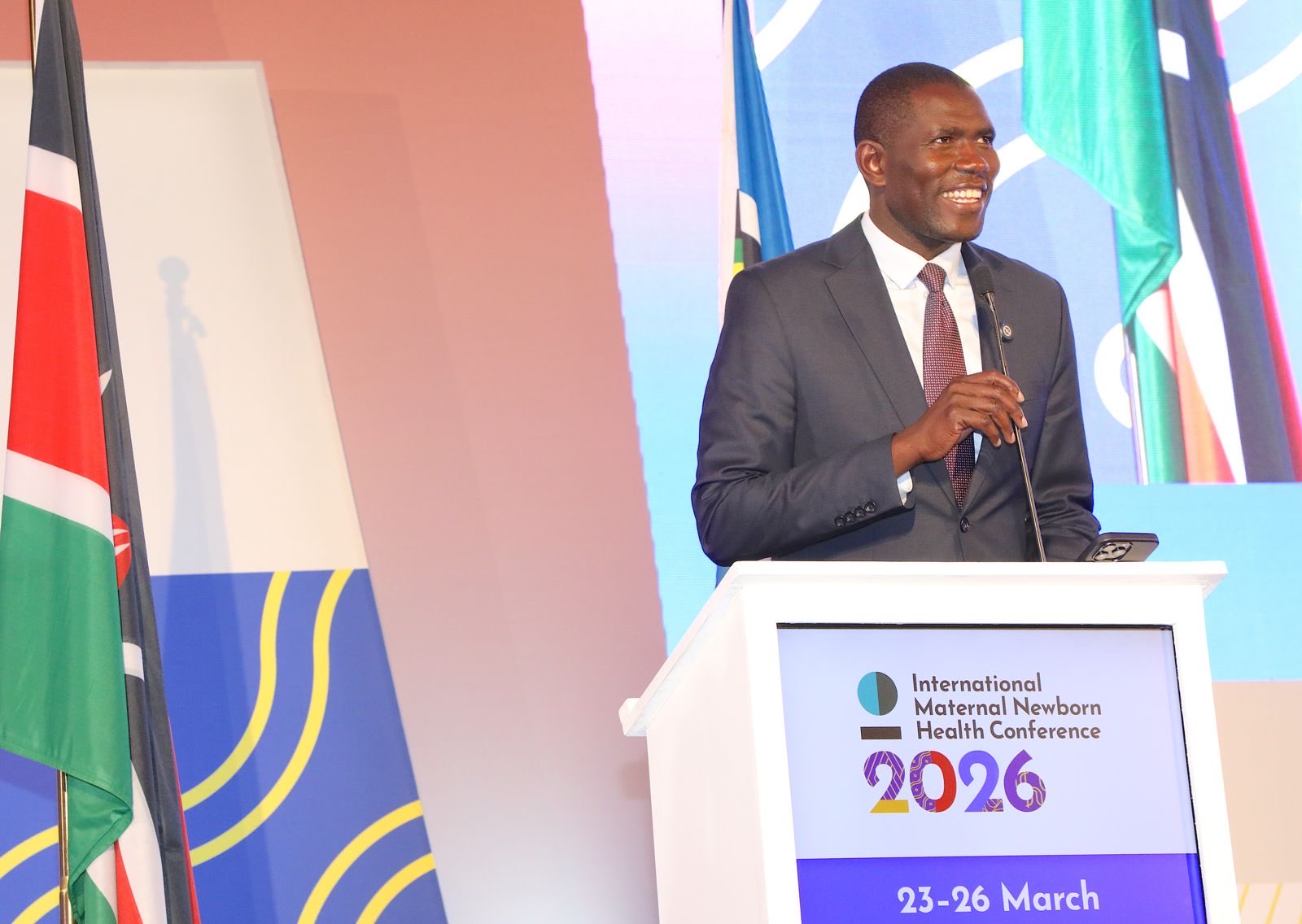
The government has finally moved art from the "culture" basement to the "economy" front room. The Ministry of Youth Affairs, Creative Economy, and Sports is the primary body overseeing this sector.
Under the leadership of the Cabinet Secretary, the ministry has launched the Talanta Hela initiative. This program is specifically designed to monetize talent.
What it does: It identifies raw talent in the grassroots and connects them to a "money-making" pipeline, including government tenders for public art and international exhibitions.
The Goal: To increase the creative sector’s share of the GDP to 10% by 2030.
4. The Verdict: Does Art Pay?
Yes, but only if you treat it like a business. The artists "winning" in 2026 are those who understand Intellectual Property (IP) laws, use the 3% Digital Service Tax to their advantage by formalizing their businesses, and tap into government grants like the Kuonyesha Art Fund.
Kenya's creative industry is no longer a side show. It’s a vibrant, state-supported bazaar where your "brush" is your "biro" and your "canvas" is your "capital
But let’s talk straight: Does it actually pay?
1. The Paycheck: What do Kenyan Artists Earn?
Recent data from 2026 shows a wide spectrum of earnings. While a few "Blue Chip" Kenyan painters sell pieces for millions at international auctions, the average professional is finding their footing in a new middle class.
Visual Artists (Painters/Sculptors): Entry-level artists are currently netting between Ksh 40,000 and Ksh 125,000 per month. For those with over 5 years of consistent brand building, that figure can jump to over Ksh 230,000.
Digital & Graphic Artists: This is the fastest-growing sector. With the rise of the "Creative Economy," skilled designers are commanding salaries ranging from Ksh 50,000 to Ksh 500,000+ depending on their niche (UI/UX, 3D Animation, or Brand Strategy).
The "Gig" Reality: Many artists still rely on commissions. A single mural in a Nairobi "cool" office can fetch between Ksh 150,000 and Ksh 500,000, but these aren't monthly occurrences.
2. The Cost of Doing Business
To make money, you have to spend it. The "cost of art" in Kenya includes:
Studio Space: Rent in creative hubs like Kilimani or Westlands ranges from Ksh 15,000 to Ksh 45,000 for a shared space.
Materials: Quality acrylics, canvases, or high-end digital tablets are largely imported, meaning prices fluctuate with the shilling. Expect to spend Ksh 10,000+ monthly on basic supplies.
Digital Visibility: In 2026, if you aren't online, you don't exist. Budgeting for high-quality photography of your work and social media promotion is now a standard business expense.
3. The Ministry Behind the Masterpiece
The government has finally moved art from the "culture" basement to the "economy" front room. The Ministry of Youth Affairs, Creative Economy, and Sports is the primary body overseeing this sector.
Under the leadership of the Cabinet Secretary, the ministry has launched the Talanta Hela initiative. This program is specifically designed to monetize talent.
What it does: It identifies raw talent in the grassroots and connects them to a "money-making" pipeline, including government tenders for public art and international exhibitions.
The Goal: To increase the creative sector’s share of the GDP to 10% by 2030.
4. The Verdict: Does Art Pay?
Yes, but only if you treat it like a business. The artists "winning" in 2026 are those who understand Intellectual Property (IP) laws, use the 3% Digital Service Tax to their advantage by formalizing their businesses, and tap into government grants like the Kuonyesha Art Fund.
Kenya's creative industry is no longer a side show. It’s a vibrant, state-supported bazaar where your "brush" is your "biro" and your "canvas" is your "capital