 Diana Muthini
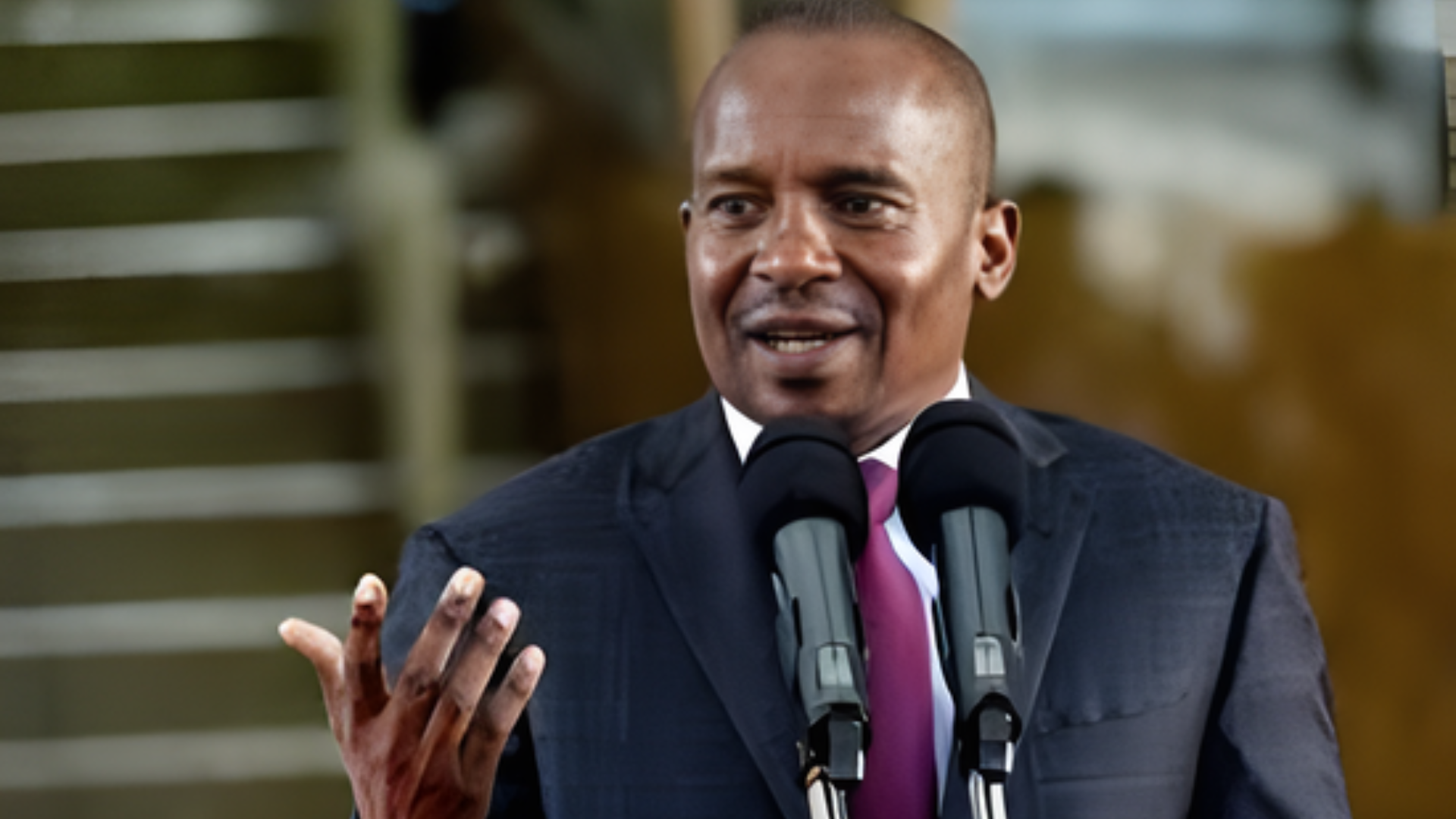
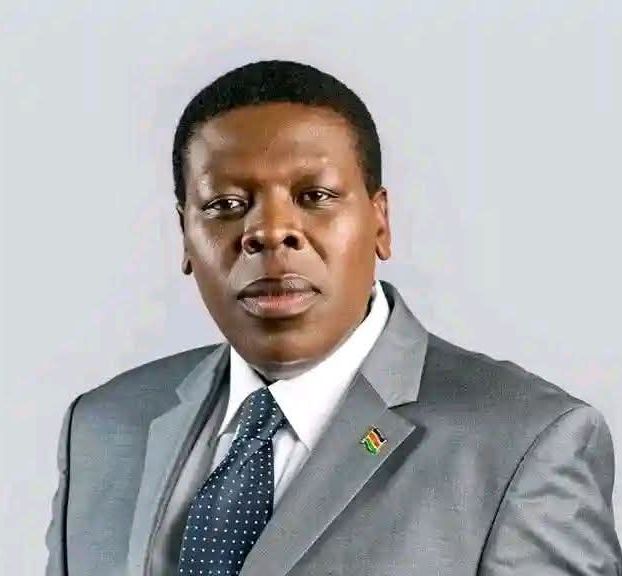
Kenya’s political landscape has, over the years, been shaped by leaders who embody resilience, adaptability, and a deep commitment to public service. Among such leaders is Eugene Wamalwa, a figure whose political journey reflects both the challenges and triumphs of navigating Kenya’s dynamic governance space. From his early days in politics to his current role as a vocal advocate for democratic accountability, Wamalwa remains a significant player in shaping national discourse.
Born into a family with a strong political legacy, Eugene Wamalwa is the younger brother of the late Michael Wamalwa Kijana, who served as Kenya’s Vice President and was widely respected for his statesmanship. This background placed Eugene in a unique position, one that came with both expectations and opportunities. However, rather than simply riding on his brother’s legacy, he carved out his own identity through persistence, intellect, and strategic alliances.
Wamalwa first rose to national prominence when he was elected as the Member of Parliament for Saboti Constituency. His entry into Parliament marked the beginning of a career defined by articulate debate, legal insight, and a commitment to representing his constituents. Over time, he established himself as a thoughtful legislator, one who understood the intricacies of policy-making and governance.
His political career gained further momentum when he vied for the presidency in the 2013 general elections. Although he did not win, his candidacy demonstrated courage and ambition, placing him among a new generation of leaders seeking to redefine Kenya’s political direction. Following the elections, Wamalwa aligned himself with key political coalitions, including working alongside Uhuru Kenyatta, where he served in various cabinet positions.
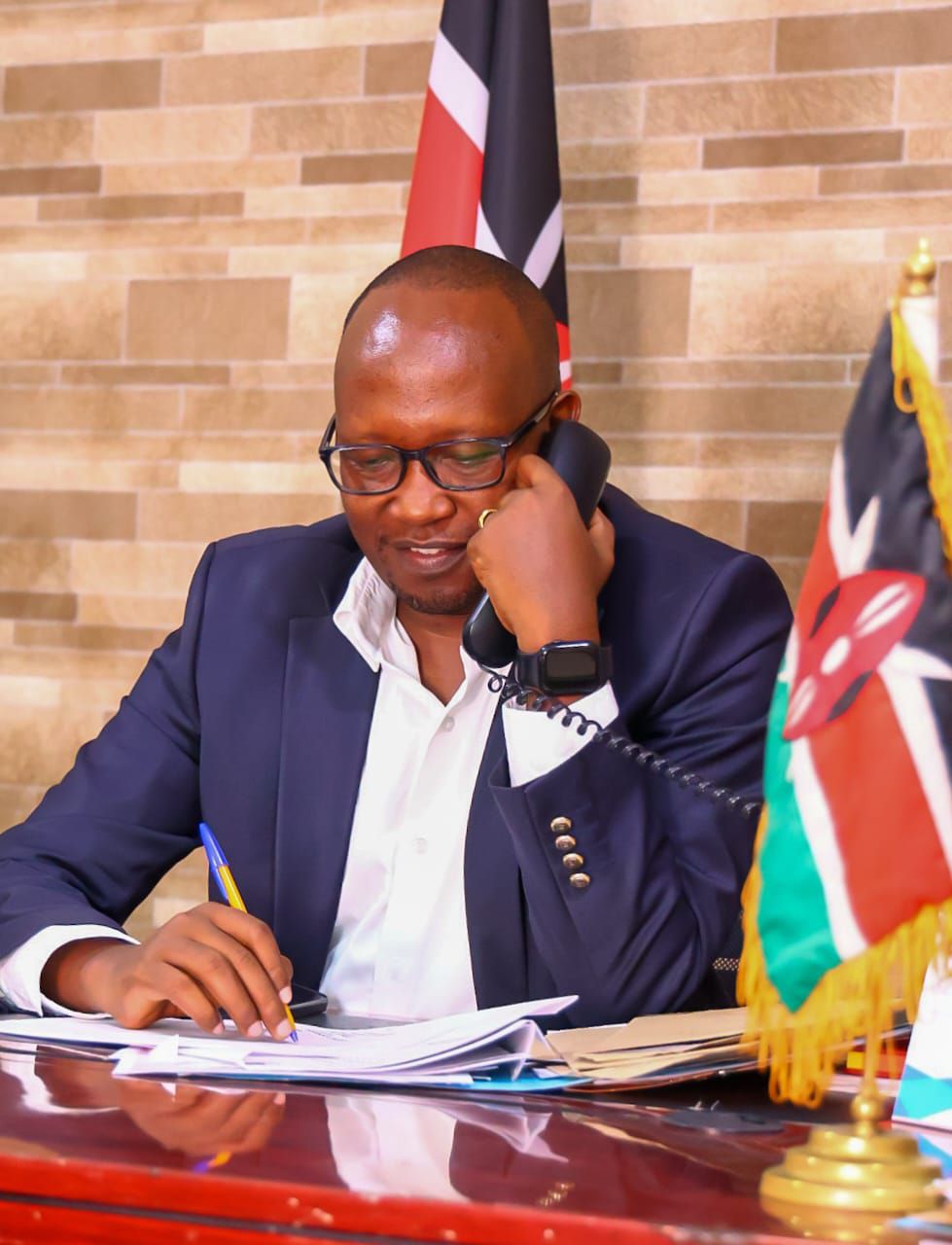
During his tenure in government, Wamalwa held critical roles, including Cabinet Secretary for Water, Sanitation, and Irrigation, as well as for Devolution. In these capacities, he championed policies aimed at improving service delivery, strengthening county governments, and enhancing access to essential resources. His work in the Ministry of Devolution, in particular, underscored his belief in empowering grassroots leadership and ensuring that development reaches all corners of the country.
In recent years, Eugene Wamalwa has emerged as a strong voice within the opposition, aligning himself with leaders such as Raila Odinga. His shift to the opposition has seen him take on a more assertive role, critiquing government policies and advocating for transparency, economic fairness, and constitutionalism. He has consistently called for leadership that prioritizes the welfare of ordinary Kenyans, positioning himself as a defender of democratic ideals.
Wamalwa’s political ideology is largely anchored in inclusivity, equity, and institutional reform. He has repeatedly emphasized the need to bridge socio-economic gaps and address youth unemployment—issues that remain central to Kenya’s development agenda. His speeches often reflect a deep understanding of governance challenges, coupled with a pragmatic approach to solving them.
Despite facing political setbacks and shifting alliances, Wamalwa has demonstrated remarkable resilience. Kenyan politics is often characterized by rapid changes and intense competition, yet he has managed to remain relevant by adapting to evolving circumstances while maintaining his core principles. This ability to reinvent himself without losing focus on his goals is a testament to his political maturity.
Critics, however, argue that like many Kenyan politicians, Wamalwa has had to navigate the complexities of coalition politics, sometimes raising questions about consistency. Nevertheless, his supporters view him as a steady and principled leader who is willing to stand up for what he believes in, even when it is politically inconvenient.
Looking ahead, Eugene Wamalwa continues to be a key figure in Kenya’s political future. As the country moves toward subsequent electoral cycles, his experience, leadership style, and reformist agenda may position him as an influential force in shaping alliances and policy directions. Whether in government or opposition, his voice remains an important part of Kenya’s democratic conversation.
In conclusion, Eugene Wamalwa represents a blend of legacy and innovation in Kenyan politics. His journey highlights the importance of resilience, adaptability, and a commitment to public service. As Kenya continues to evolve politically and economically, leaders like Wamalwa will undoubtedly play a crucial role in steering the nation toward a more inclusive and accountable future.