 Diana Muthini
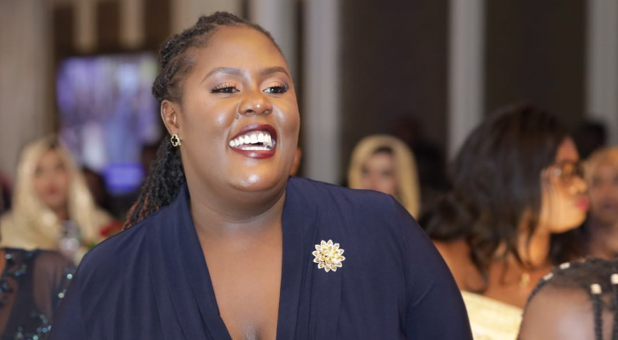
The story of Winnie Odinga is one that reflects both legacy and ambition, tradition and transformation. Born into one of Kenya’s most influential political families, Winnie has grown up surrounded by the realities of power, resistance, and public service. As the daughter of Raila Odinga—a central figure in Kenya’s struggle for democracy—her early life was shaped by political discourse, national debates, and moments of both triumph and adversity. However, rather than remaining in the shadow of her father, Winnie has emerged as a political force in her own right, representing a new generation of leaders determined to redefine Kenya’s political future.
From a young age, Winnie Odinga was exposed to the challenges and responsibilities that come with political leadership. She witnessed firsthand the highs and lows of Kenyan politics, including election campaigns, political negotiations, and moments of national tension. These experiences played a key role in shaping her worldview and strengthening her resolve to contribute to public life. Her upbringing instilled in her a deep understanding of governance, democracy, and the importance of standing firm in the face of opposition.
Winnie’s academic and professional background also contributed to her development as a leader. Educated both locally and internationally, she gained exposure to diverse perspectives that have influenced her approach to politics. Her education equipped her with skills in communication, critical thinking, and leadership—tools that have become essential in her political journey. Beyond the classroom, she has been actively involved in youth-focused initiatives, demonstrating an early commitment to empowering others and addressing societal challenges.
Her entry into active politics was marked by her involvement in grassroots mobilization and campaign strategy. During her father’s presidential campaigns, Winnie played a visible and influential role, particularly in engaging young voters. She understood the importance of connecting with the youth—who form a significant portion of Kenya’s population—and worked tirelessly to ensure their voices were heard. Through rallies, digital campaigns, and community outreach programs, she helped bridge the gap between traditional political structures and the expectations of a modern, tech-savvy generation.
One of Winnie Odinga’s greatest strengths lies in her ability to communicate effectively with young people. In an era where social media plays a critical role in shaping public opinion, she has leveraged digital platforms to engage directly with citizens. Her messaging often focuses on issues that matter most to the youth, including unemployment, entrepreneurship, education, and social justice. By addressing these concerns, she has positioned herself as a relatable and accessible leader who understands the struggles of ordinary Kenyans.
Her influence extends beyond Kenya’s borders through her role in the East African Legislative Assembly (EALA). Her election to this regional body marked a significant milestone in her career, signaling her transition from national politics to a broader platform of influence. In EALA, Winnie has been involved in discussions on regional integration, trade policies, and economic development within the East African Community. Her contributions reflect a forward-thinking approach that emphasizes cooperation among nations as a pathway to growth and stability.
At EALA, Winnie Odinga has also championed issues affecting young people across the region. She has advocated for policies that create opportunities for youth employment, innovation, and cross-border collaboration. Her work highlights the importance of viewing challenges not just from a national perspective, but from a regional and continental lens. This broader outlook sets her apart as a leader who is not only concerned with Kenya’s progress but also with the development of East Africa as a whole.
Despite her achievements, Winnie’s political journey has been accompanied by scrutiny and criticism. Being part of a prominent political dynasty often invites questions about privilege and merit. Critics argue that her rise has been facilitated by her family name, while supporters counter that she has demonstrated competence, dedication, and a clear vision for leadership. Winnie herself has acknowledged these challenges and continues to work towards proving her capability through action and results.
Her leadership style is often described as bold, confident, and progressive. She is not afraid to speak her mind on critical national issues, even when her views spark debate. This willingness to challenge the status quo has earned her respect among supporters who value transparency and courage in leadership. At the same time, it has exposed her to criticism from opponents who may disagree with her approach. Nonetheless, her ability to remain steadfast in her beliefs reflects a strong sense of purpose and determination.
Winnie Odinga also represents a shift in how politics is conducted in Kenya. Traditionally, politics has been dominated by older generations, with limited space for young leaders. However, Winnie is part of a growing movement that seeks to change this narrative. She advocates for greater youth representation in leadership positions and encourages young people to actively participate in governance. Her message is clear: the future of Kenya lies in the hands of its youth, and they must be given the opportunity to shape it.
In addition to youth empowerment, Winnie has shown interest in issues of gender equality and women’s leadership. As a young woman in politics, she serves as a role model for many aspiring female leaders. She has consistently emphasized the need for more women to take up leadership roles and contribute to decision-making processes. Her presence in politics challenges traditional gender norms and inspires a new generation of women to pursue careers in public service.
Another important aspect of Winnie Odinga’s political life is her commitment to social justice. She has been vocal on matters such as inequality, governance, and accountability. Her advocacy aligns with broader movements aimed at promoting fairness and transparency in leadership. By addressing these issues, she has positioned herself as a leader who is not only focused on political power but also on creating a more just and equitable society.
Looking to the future, Winnie Odinga’s political trajectory appears promising. With her growing experience, expanding networks, and strong connection with the youth, she is well-positioned to take on even greater responsibilities. Many political observers believe she could eventually seek elective office within Kenya, further solidifying her influence on the national stage. Others see her continuing to play a key role in regional politics, shaping policies that impact millions across East Africa.
Her journey, however, is still unfolding. Like any leader, she will face new challenges, shifting political dynamics, and increasing expectations from the public. How she navigates these challenges will ultimately define her legacy. What remains clear is that Winnie Odinga has already made a significant impact and continues to inspire many with her vision and determination.
In conclusion, Winnie Odinga stands as a symbol of generational change in Kenyan politics. While her roots are deeply embedded in a powerful political family, her journey reflects personal effort, resilience, and a commitment to public service. As Kenya moves forward, leaders like Winnie Odinga will play a crucial role in shaping a more inclusive, dynamic, and forward-looking political landscape.