 Diana Muthini
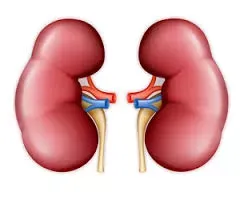
We often think of our hearts as the engine and our brains as the computer, but if we’re talking about the body's ultimate unsung heroes, the kidneys take the crown. These two bean-shaped powerhouses, tucked away just below your ribcage, are the body's premier filtration system. They work 24/7 to sift through your blood, balancing minerals, regulating blood pressure, and flushing out toxins that would otherwise turn your system into a literal swamp.
The scary part? Kidneys are incredibly polite—sometimes to a fault. They can lose up to 90% of their function before they start complaining loudly enough for you to notice. Because they are so efficient at overcompensating, the "warning signs" are often subtle, easily mistaken for a bad night’s sleep or a stressful week.
If you’ve been feeling "off" lately, it’s worth slowing down to listen to what your kidneys might be trying to tell you. Here is a deeper look at the seven warning signs you should never ignore.
1. Persistent Fatigue and the "Brain Fog"
We all get tired, but kidney-related fatigue hits differently. When your kidneys aren't filtering properly, toxins build up in the blood (a condition called uremia). This makes it hard to concentrate and leaves you feeling physically drained regardless of how much coffee you drink. Furthermore, kidneys produce a hormone called erythropoietin (EPO), which tells your body to make oxygen-carrying red blood cells. Less kidney function often means fewer red blood cells, leading to anemia, which leaves you feeling weak and cold.
2. Changes in Urination
Since the kidneys make urine, any change in your "bathroom habits" is a primary red flag. You should pay attention to:
- Frequency: Needing to go much more often, especially at night (nocturia).
- Appearance: If your urine looks "foamy" or has bubbles that require several flushes to go away, it may indicate that protein (albumin) is leaking out of your blood and into your pee.
- Color: Seeing blood in your urine is a major warning. Healthy kidneys keep blood cells in the body; damaged filters let them "leak" out.
3. Swelling (Edema) in Strange Places
When the kidneys fail to remove excess sodium and fluid, that water has to go somewhere. Usually, gravity pulls it down, leading to swollen ankles, feet, or legs. However, one of the most distinct signs of kidney issues is puffiness around the eyes, particularly in the morning. This is often caused by the large amount of protein being leaked through the kidneys rather than staying in the blood to keep fluid where it belongs.
4. Skin That Won’t Stop Itching
This isn't just dry skin from the winter air. When kidneys can't maintain the right balance of minerals and nutrients in your blood—specifically calcium and phosphorus—it can lead to "renal itch." This is a deep, bone-level itch that feels like it’s coming from under the skin, and no amount of lotion seems to fix it.
5. Shortness of Breath
Even if you haven't been running a marathon, you might find yourself winded. This happens for two reasons:
- Fluid Overload: Extra fluid that the kidneys aren't processing can build up in the lungs (pulmonary edema).
- Anemia: As mentioned before, a lack of oxygen-carrying red blood cells leaves your muscles and heart starved for air.
6. A Metallic Taste or "Ammonia Breath"
If your food starts tasting like metal or you find yourself losing interest in eating meat, it’s likely due to a buildup of waste in the blood. This buildup (uremia) can also cause bad breath that smells slightly like ammonia or urine. Many people find they lose weight simply because food no longer tastes "right."
7. Muscle Cramping
Kidney function is all about balance. When your levels of electrolytes—like calcium and phosphorus—get out of whack due to poor filtration, your nerves and muscles pay the price. Frequent, painful cramping in the legs or back can be a signal that your internal chemistry is dangerously skewed.
The Bottom Line:
Most of these symptoms are "non-specific," meaning they could be caused by a dozen different things. However, if you are experiencing a combination of these—especially swelling and changes in urination—it is vital to see a doctor for a simple blood and urine test.
Kidney disease is often called a "silent killer" because it creeps up on you. But by being proactive and recognizing these seven whispers before they become screams, you can take control of your health and keep your "quiet sentinels" standing guard for years to come.
Stay hydrated, keep your blood pressure in check, and listen to your body. It usually knows what it's talking about.