 Wambui Faith
A wound is any break in the skin or underlying tissue, ranging from minor scrapes to deep cuts, punctures, or even internal injuries. While some wounds may seem small, proper care is essential to prevent infection and promote healing.
In tropical regions like Kenya, wound care becomes even more critical due to the higher risk of bacterial contamination. Knowing how to identify, manage, and monitor wounds can make a significant difference in recovery and overall health.
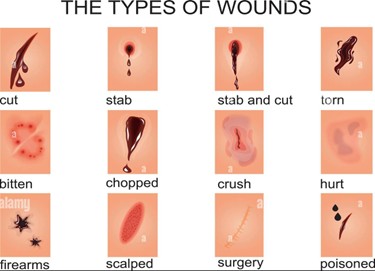
Types of Wounds
Wounds are broadly classified into two categories: open and closed.
1. Open Wounds
These involve a break in the skin, exposing underlying tissues.
Abrasions – Caused by friction against a rough surface, such as a fall on the road (commonly known as “road rash”).
Lacerations – Deep or shallow cuts resulting from sharp or blunt objects.
Avulsions – Severe injuries where skin or tissue is partially or completely torn away.
Puncture Wounds – Occur when a pointed object, such as a nail, animal bite, or sharp object, pierces the skin.
2. Closed Wounds
These occur when the skin remains intact, but damage happens beneath the surface.
Bruises (Contusions) – Result from blunt force trauma that causes blood vessels to rupture under the skin.
Hematomas – Larger collections of blood trapped under the tissue, often causing swelling and pain.
Essential First Aid Steps
Proper first aid can prevent complications and speed up healing. Here are the key steps to follow:
1. Ensure Safety
Before assisting, make sure the environment is safe for both you and the injured person.
2. Control Bleeding
Apply direct pressure using a clean cloth or bandage to stop bleeding.
3. Clean the Wound
Rinse with clean water to remove dirt and debris. Avoid harsh chemicals that may damage tissue.
4. Protect the Wound
Cover with a sterile dressing or clean bandage to reduce the risk of infection.
5. Seek Medical Attention When Necessary
Visit a healthcare provider if:
Bleeding does not stop
The wound is deep or heavily contaminated
There are signs of infection
The injury is from an animal bite or dirty object
Recognizing Signs of Infection
Even a small wound can become dangerous if infected. Watch out for:
Increasing pain, redness, or swelling
Warmth around the wound
Presence of pus or foul smell
Fever or chills
Early detection is key to preventing serious complications.
Wound Care in the Kenyan Context
In many parts of Kenya, access to healthcare varies, making proper home care knowledge essential.
Minor wounds can often be safely managed at home using clean water, soap, and proper dressing.
Serious wounds should be treated at a medical facility such as Kakamega County General Hospital or the nearest health center.
Tetanus risk is particularly high in puncture wounds; it is important to ensure vaccination is up to date.
Traditional remedies, while commonly used, may increase infection risk if they are not sterile.
Quick Comparison of Wound Types and Care
Abrasion
Cause: Friction or scraping
Risk: Infection
Care: Clean and cover
Laceration
Cause: Sharp or blunt cuts
Risk: Bleeding, infection
Care: Apply pressure, clean, seek care if deep
Avulsion
Cause: Tissue tearing
Risk: Severe bleeding, infection
Care: Emergency medical treatment
Puncture
Cause: Nails, bites, sharp objects
Risk: Hidden infection, tetanus
Care: Clean, seek medical care, check tetanus status
Bruise
Cause: Blunt trauma
Risk: Internal bleeding
Care: Apply cold compress
Hematoma
Cause: Blood vessel rupture
Risk: Pain, swelling
Care: Medical evaluation if large
Conclusion
Wounds are common but should never be taken lightly. Whether minor or severe, proper care is essential to prevent infection and complications. In environments where bacterial exposure is high, taking prompt and appropriate action can be life-saving.
By understanding the different types of wounds, applying correct first aid, and knowing when to seek medical attention, individuals and families can protect themselves and promote faster healing.
In tropical regions like Kenya, wound care becomes even more critical due to the higher risk of bacterial contamination. Knowing how to identify, manage, and monitor wounds can make a significant difference in recovery and overall health.
Types of Wounds
Wounds are broadly classified into two categories: open and closed.
1. Open Wounds
These involve a break in the skin, exposing underlying tissues.
Abrasions – Caused by friction against a rough surface, such as a fall on the road (commonly known as “road rash”).
Lacerations – Deep or shallow cuts resulting from sharp or blunt objects.
Avulsions – Severe injuries where skin or tissue is partially or completely torn away.
Puncture Wounds – Occur when a pointed object, such as a nail, animal bite, or sharp object, pierces the skin.
2. Closed Wounds
These occur when the skin remains intact, but damage happens beneath the surface.
Bruises (Contusions) – Result from blunt force trauma that causes blood vessels to rupture under the skin.
Hematomas – Larger collections of blood trapped under the tissue, often causing swelling and pain.
Essential First Aid Steps
Proper first aid can prevent complications and speed up healing. Here are the key steps to follow:
1. Ensure Safety
Before assisting, make sure the environment is safe for both you and the injured person.
2. Control Bleeding
Apply direct pressure using a clean cloth or bandage to stop bleeding.
3. Clean the Wound
Rinse with clean water to remove dirt and debris. Avoid harsh chemicals that may damage tissue.
4. Protect the Wound
Cover with a sterile dressing or clean bandage to reduce the risk of infection.
5. Seek Medical Attention When Necessary
Visit a healthcare provider if:
Bleeding does not stop
The wound is deep or heavily contaminated
There are signs of infection
The injury is from an animal bite or dirty object
Recognizing Signs of Infection
Even a small wound can become dangerous if infected. Watch out for:
Increasing pain, redness, or swelling
Warmth around the wound
Presence of pus or foul smell
Fever or chills
Early detection is key to preventing serious complications.
Wound Care in the Kenyan Context
In many parts of Kenya, access to healthcare varies, making proper home care knowledge essential.
Minor wounds can often be safely managed at home using clean water, soap, and proper dressing.
Serious wounds should be treated at a medical facility such as Kakamega County General Hospital or the nearest health center.
Tetanus risk is particularly high in puncture wounds; it is important to ensure vaccination is up to date.
Traditional remedies, while commonly used, may increase infection risk if they are not sterile.
Quick Comparison of Wound Types and Care
Abrasion
Cause: Friction or scraping
Risk: Infection
Care: Clean and cover
Laceration
Cause: Sharp or blunt cuts
Risk: Bleeding, infection
Care: Apply pressure, clean, seek care if deep
Avulsion
Cause: Tissue tearing
Risk: Severe bleeding, infection
Care: Emergency medical treatment
Puncture
Cause: Nails, bites, sharp objects
Risk: Hidden infection, tetanus
Care: Clean, seek medical care, check tetanus status
Bruise
Cause: Blunt trauma
Risk: Internal bleeding
Care: Apply cold compress
Hematoma
Cause: Blood vessel rupture
Risk: Pain, swelling
Care: Medical evaluation if large
Conclusion
Wounds are common but should never be taken lightly. Whether minor or severe, proper care is essential to prevent infection and complications. In environments where bacterial exposure is high, taking prompt and appropriate action can be life-saving.
By understanding the different types of wounds, applying correct first aid, and knowing when to seek medical attention, individuals and families can protect themselves and promote faster healing.