 Lilian Nyiva
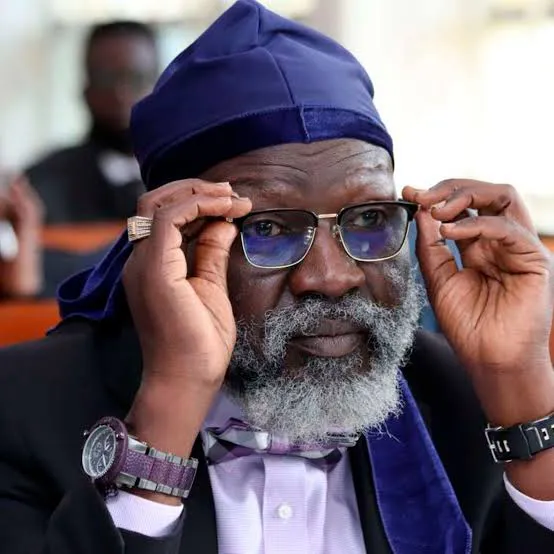
Roots Party leader George Wajackoyah has once again sparked national debate after remarks suggesting that Kenya could use hemp farming to help tackle its debt burden and generate revenue. The remarks, captured in a social media post circulating online, quoted Wajackoyah saying that he would allocate part of the Galana Kulalu land for hemp cultivation if elected president in 2027
According to the viral quote;
Wajackoyah claimed that 200,000 acres of the Galana Kulalu project could be used to grow hemp and that proceeds from the crop could help Kenya pay off its debts. The statement has generated mixed reactions online, with supporters describing it as an innovative economic proposal while critics questioned its practicality and legality.
Wajackoyah has consistently advocated for the legalization and commercialization of cannabis and industrial hemp in Kenya since his 2022 presidential campaign. During that campaign, he argued that regulated cannabis farming for medicinal and industrial purposes could become a major foreign exchange earner for the country.
The former presidential candidate has repeatedly maintained that hemp has significant economic potential globally, especially in the pharmaceutical, textile, and manufacturing sectors. Industrial hemp differs from recreational marijuana because it contains very low levels of THC, the psychoactive component associated with getting high. Many countries, including Canada, parts of the United States, and several European nations, have legalized industrial hemp under strict regulation.
However, cannabis remains illegal in Kenya under the Narcotic Drugs and Psychotropic Substances Control Act. Possession, cultivation, or trafficking of marijuana currently attracts heavy penalties under Kenyan law. Any move to legalize hemp or cannabis would therefore require legislative reforms and regulatory frameworks approved by Parliament.
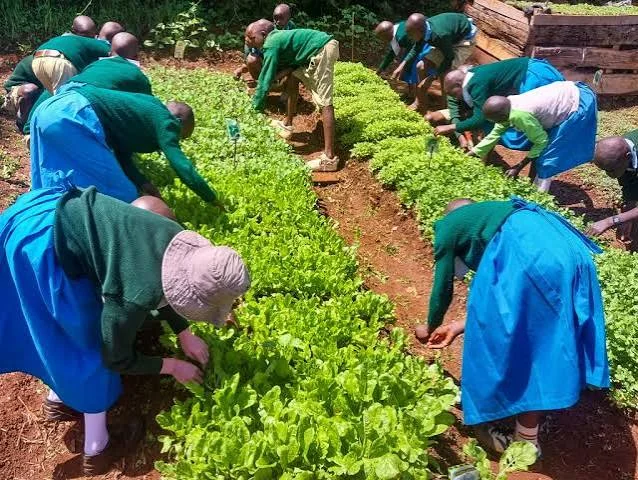
The mention of Galana Kulalu Food Security Project is also significant. The multi-billion-shilling irrigation scheme has for years been promoted by successive governments as a solution to Kenya’s food insecurity challenges. Despite large public investments, the project has faced repeated setbacks, including poor yields, management disputes, and concerns over viability.
Wajackoyah’s comments come at a time when conversations around the 2027 General Election are beginning to intensify. The Roots Party leader has already declared interest in making another presidential bid and continues to position himself as an alternative voice with unconventional policy proposals.
In previous interviews, Wajackoyah defended his controversial cannabis proposals by arguing that countries around the world are increasingly recognizing hemp as a legitimate cash crop with economic value. However, some of his critics have accused him of using sensational proposals to gain public attention. In a 2025 interview, he admitted that some of his campaign rhetoric was designed to attract attention during the heated 2022 election period.
As debate continues online, the issue has once again highlighted the broader discussion about Kenya’s economic challenges, public debt, agricultural reforms, and whether alternative industries such as hemp could realistically contribute to economic growth in the future.