 Lilian Nyiva
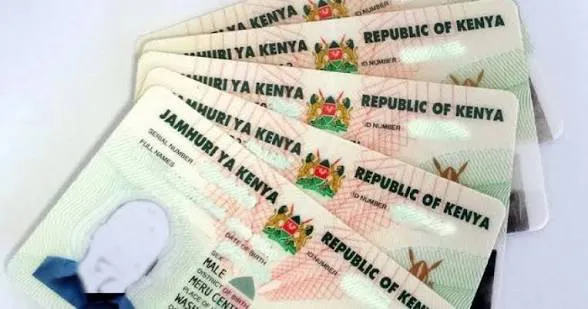
The Ministry of Interior has announced plans to integrate the National Registration Bureau's database with the country's planned CCTV surveillance network as part of efforts to strengthen crime detection and improve investigations.
Interior Cabinet Secretary Kipchumba Murkomen said the proposed system will enable security agencies to compare images captured by surveillance cameras with official national identity records, allowing investigators to identify suspects more quickly.
Facial Recognition Technology
According to Murkomen, Kenya currently lacks a facial recognition system linked to the National ID database, making it difficult for police to automatically identify suspects captured on CCTV footage.
He explained that once the technology is implemented, images obtained from surveillance cameras can be matched with photographs stored in the government's official identity database, helping investigators establish the identity of individuals linked to criminal activities.
Part of IC3 Upgrade
The integration will form part of the ongoing upgrade of the Integrated Command, Control and Communication Centre (IC3), which the government says is intended to modernize security operations and improve coordination among law enforcement agencies.
Murkomen noted that the system will gradually incorporate data from the National Registration Bureau to support facial recognition capabilities.
Rollout Across Major Cities
The announcement follows the government's earlier plan to install surveillance cameras in six cities—Nairobi, Mombasa, Kisumu, Nakuru, Eldoret and Nyeri—as part of a broader initiative to curb crime and enhance public safety.
According to the Interior Ministry, the procurement process for the surveillance technology is in its final stages and is expected to be completed within two months. The project is estimated to cost up to KSh25 billion, with Nairobi expected to be among the first cities to benefit from the rollout. Implementation is projected to take between three and six months after procurement is finalized.
Privacy Concerns
Addressing concerns over privacy, Murkomen said the surveillance cameras will only be installed in public spaces and not in private areas such as homes or hotels. He maintained that the system is intended to enhance public security while supporting criminal investigations.
The proposal is expected to attract public debate, particularly on issues relating to data protection, privacy safeguards and the legal framework governing the use of facial recognition technology alongside the National ID database.