 Victor Elvis Mugambi
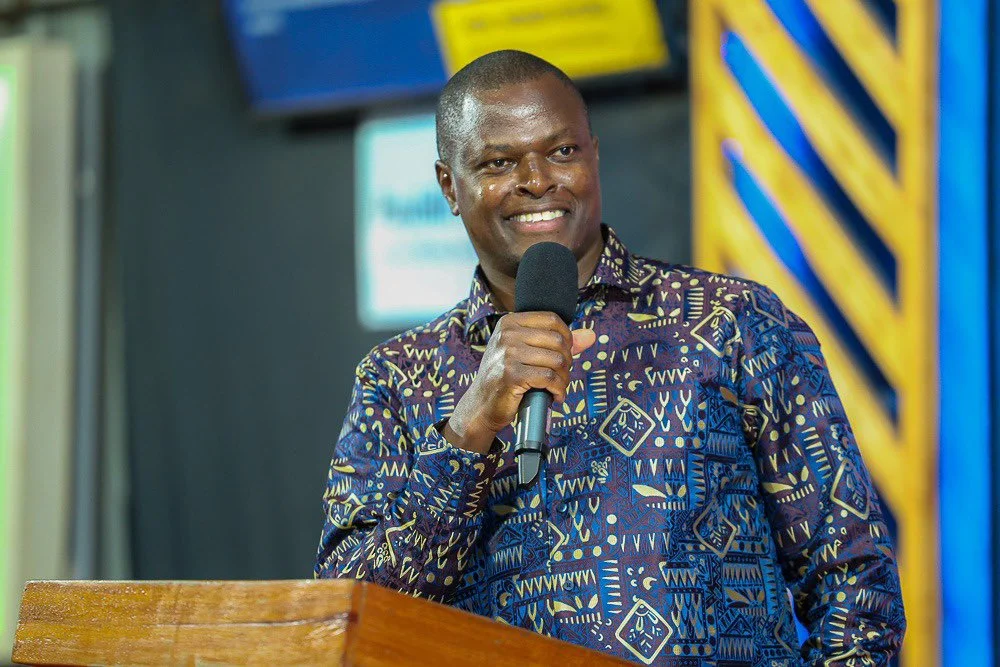
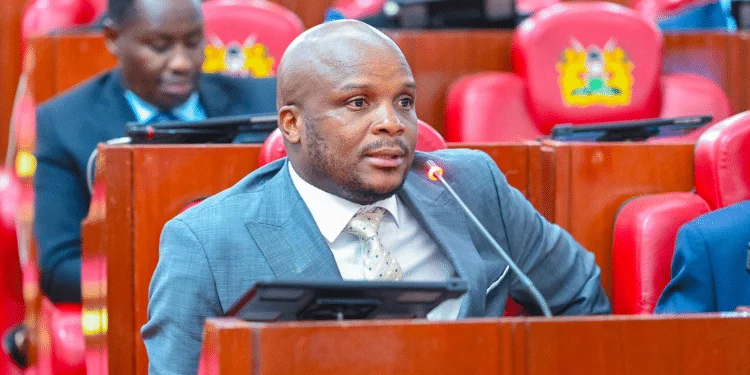
In a recent development, Kiharu Member of Parliament Ndindi Nyoro has publicly apologized for his absence during a significant vote on the Finance Bill, a financial legislation crucial for the country's economic policy. The incident has garnered attention from constituents and political analysts alike, sparking discussions on the importance of active parliamentary participation and accountability among elected officials.
Nyoro's absence and public apology
Ndindi Nyoro, known for his vocal stance on various political issues, was notably absent during the crucial vote on the Finance Bill. Following the incident, he addressed the press to explain his absence and offered a formal apology to his constituents and colleagues. The reasons behind his absence have been a matter of public scrutiny, with some questioning the commitment of legislators to their duties.
This situation underscores the expectations placed on MPs to be present for key legislative decisions, especially those impacting national economic policies. Nyoro's apology aims to reassure his supporters of his dedication to his role and responsibilities.
The incident has also ignited a broader debate about parliamentary engagement levels and the accountability mechanisms in place to ensure MPs fulfill their legislative duties. Critics argue that absences during critical votes undermine the democratic process and public trust in elected representatives.
As the debate continues, Nyoro's case serves as a reminder to lawmakers about the importance of active participation in parliamentary functions. The incident also highlights the need for transparency and accountability to strengthen public confidence in governance.
Moving forward, it remains to be seen how such incidents will influence legislative practices and whether additional measures will be implemented to ensure MPs participate fully in all critical votes, reinforcing the integrity of the parliamentary process.