 Diana Muthini
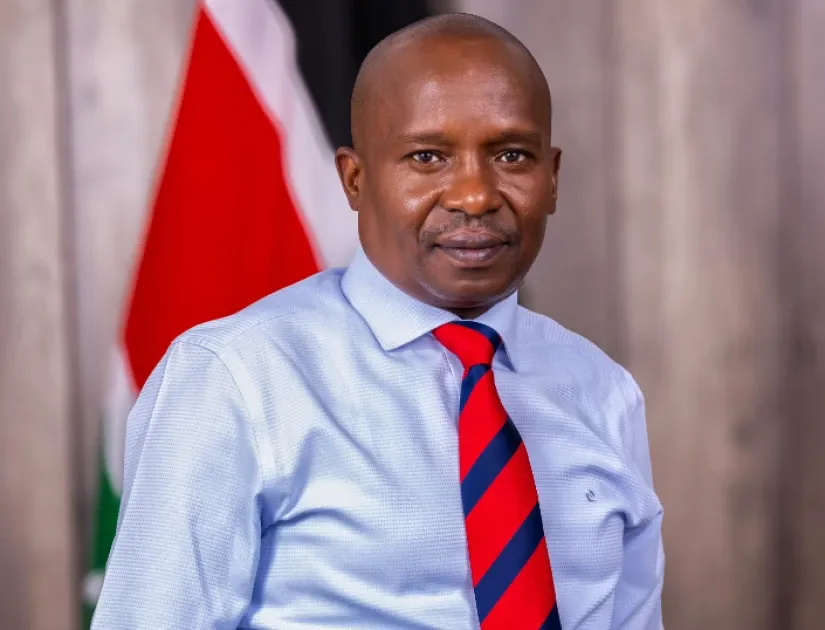
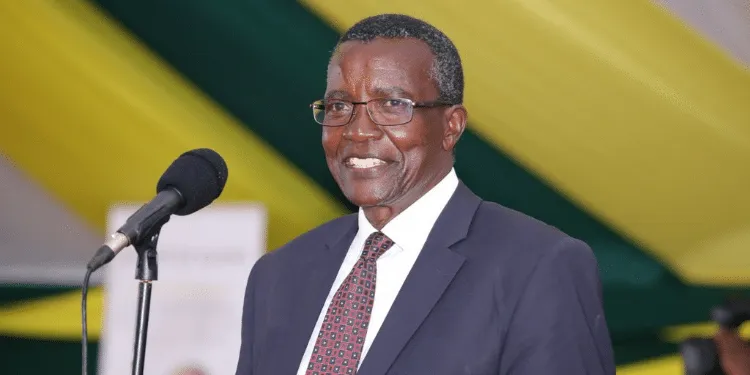
In the theater of Kenyan politics, few regions provide as much drama, linguistic flair, and legal intrigue as Meru County. A single viral image recently acted as a lightning rod for this tension, blending the faces of national leaders with metaphors about livestock and biology.
While the image itself was a digital "mash-up" of different events, the stories behind it are very real—and they tell us a lot about how power is fought for and maintained in Kenya today.
1. The Fall of the "Incomplete Pregnancy": Kawira Mwangaza’s Final Act
For nearly three years, Kawira Mwangaza was the most scrutinized politician in Kenya. Her journey as the first female Governor of Meru was defined by a historic "David vs. Goliath" battle against the County Assembly.
- The Metaphor: Mwangaza famously described her tenure as an "unfinished pregnancy." It was a powerful, culturally resonant way of saying that her work for the people was still in the "womb" of development. She argued that those trying to impeach her were essentially trying to force a "premature birth" or end the pregnancy altogether.
- The Legal Reality: Despite her spirited defense and multiple "political lives," the saga reached its final chapter on March 14, 2025. The High Court of Kenya upheld the Senate’s decision to remove her from office, citing gross violation of the Constitution and abuse of office.
- The Aftermath: By March 17, 2025, the "pregnancy" was legally over. Her deputy, Isaac Mutuma, was sworn in as the 4th Governor of Meru, promising to end the "political grandstanding" that had paralyzed the county for years.
2. The "Calf of 2032": Kithure Kindiki and the Succession Game
While Mwangaza was fighting for her political life in Meru, Kithure Kindiki was ascending to the highest levels of national power. As of 2026, Kindiki serves as the Deputy President of Kenya, having moved from the Interior Ministry to the Presidency following the impeachment of Rigathi Gachagua in late 2024.
- The Viral Headline: A graphic circulated claiming Kindiki told the Meru people, "Do not slaughter a pregnant cow, I am the calf who will be born in 2032."
- The Truth Behind the Satire: This specific quote is a fabrication—a piece of "internet lore" designed to frame Kindiki as the long-term heir to the Mt. Kenya political mantle. In Kenyan political parlance, 2032 is the year everyone is looking toward, as it marks the end of the current presidential cycle.
- The Strategy: Even if he didn't say it, the metaphor fits the political climate. It suggests that the current leadership (the "cow") should be protected so that the future leader (the "calf") can eventually take over.
3. Why These Stories Collided
Why did someone put Kindiki’s face on a story about Mwangaza’s metaphors?
- Regional Identity: Both Kindiki (from Tharaka Nithi) and Mwangaza are seen as key players in the "Greater Meru" political block.
- Cultural Language: Kenyan politics thrives on agricultural metaphors. Talking about cows and calves makes complex power struggles understandable to the "common man" in rural areas.
- The Impeachment Era: Between 2024 and 2025, Kenya entered a "season of impeachments" (Gachagua at the national level and Mwangaza at the county level). The image was a satirical way of linking these two massive events.
4. Meru Today (April 2026)
Fast forward to today, and the dust has largely settled, though the political maneuvering never stops.
- Governor Isaac Mutuma is currently navigating the challenges of leadership, recently facing Senate committees to explain county projects like the Timau Stadium facilities.
- Deputy President Kindiki is solidified in his role, acting as a bridge between the Executive and the diverse regions of the mountain.
- Kawira Mwangaza remains a figure of intense public interest, representing a era of unprecedented friction between a Governor and their Assembly.
Final Thoughts
The "Cow and Calf" article reminds us that in politics, perception is often as important as the law. Whether it’s a Governor fighting an "unfinished pregnancy" or a Deputy President being framed as a "future calf," these stories use the language of the land to explain the hunger for power.
The image you saw was a messy mash-up, but the reality it represented was a turning point in Kenyan history. It shows that in the digital age, a politician's legacy isn't just written in law books—it’s written in the metaphors that capture the public's imagination.