 Wambui Faith
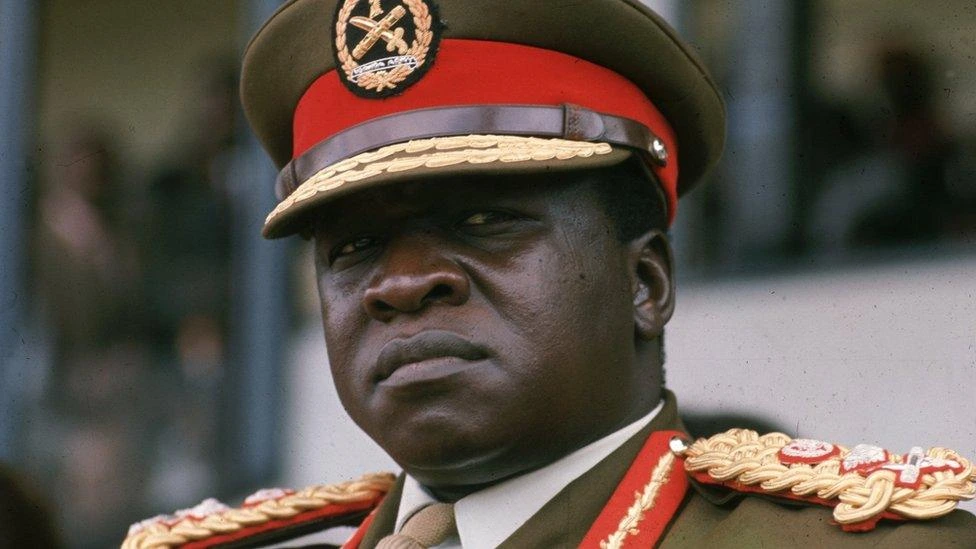
The story of Idi Amin Dada is a chilling case study in how charismatic populism can devolve into one of the most erratic and bloody dictatorships of the 20th century. Over eight years, Amin transformed from a beloved "man of the people" into a figure of international infamy, leaving behind a legacy of economic ruin and a death toll estimated at 300,000 to 500,000 people.
The Rise: From Soldier to Supreme Leader
Idi Amin’s ascent began not in the halls of government, but in the trenches of the British colonial military. Standing at 6'4" and a former heavyweight boxing champion, Amin possessed an imposing physical presence and a magnetic, "larger-than-life" personality. He rose through the ranks of the King’s African Rifles, becoming one of the few Africans to earn a commission before Uganda gained independence in 1962.
By the late 1960s, Amin had become the commander of the Ugandan army under President Milton Obote. However, the relationship soured as Obote grew suspicious of Amin’s growing power and alleged corruption. In January 1971, while Obote was attending a Commonwealth meeting in Singapore, Amin struck.
The coup was remarkably popular at first. Amin promised to return the country to civilian rule and release political prisoners. He was seen as a refreshing alternative to the increasingly authoritarian Obote—a simple soldier who understood the common man.
The Reign: Paranoia and the "Economic War"
The honeymoon period was short-lived. Amin soon consolidated power, dismantling the democratic infrastructure and replacing it with military tribunals. His rule became defined by two primary forces: extreme nationalism and erratic paranoia.
In 1972, Amin declared his "Economic War." He ordered the expulsion of Uganda’s entire Asian population—roughly 60,000 people, many of whom were third-generation residents and the backbone of the country's retail and professional sectors. Their businesses and properties were redistributed to Amin’s military cronies. While initially framed as an "Africa for Africans" movement, the move caused the Ugandan economy to collapse almost overnight, leading to hyperinflation and a lack of basic goods.
As the economy cratered, Amin’s internal security apparatus—the State Research Bureau—grew more lethal. Real and perceived enemies, including judges, university lecturers, and former ministers, began to disappear. Bodies were frequently discovered in the Nile, and the international community began to hear whispers of the sheer scale of the state-sponsored massacres.
The Persona: The International Eccentric
To the outside world, Amin often appeared as a buffoonish, if dangerous, caricature. He granted himself an array of increasingly absurd titles, eventually settling on:
"His Excellency, President for Life, Field Marshal Al Hadji Doctor Idi Amin Dada, VC, DSO, MC, Lord of All the Beasts of the Earth and Fishes of the Seas and Conqueror of the British Empire in Africa in General and Uganda in Particular."
He famously sent cheeky telegrams to Queen Elizabeth II and offered to be the King of Scotland. However, this eccentric public persona masked a terrifying unpredictability. His decision to harbor pro-Palestinian hijackers at Entebbe Airport in 1976 led to a daring Israeli commando rescue mission, which deeply humiliated Amin and further isolated Uganda from the West.
The Fall: The Tanzanian Invasion
The end began in 1978. Facing growing dissent within his own army and a failing economy, Amin attempted to distract the public by invading the Kagera region of neighboring Tanzania. It was a fatal miscalculation.
Tanzanian President Julius Nyerere responded with a full-scale counter-invasion. Supported by Ugandan exiles, the Tanzanian People’s Defence Force pushed deep into Uganda. Amin’s troops, many of whom were demoralized and unpaid, deserted in droves.
In April 1979, Kampala fell. Amin fled the capital just ahead of the advancing troops. He first found refuge in Libya before eventually settling into a quiet, state-funded exile in Saudi Arabia. He never faced a trial for the atrocities committed under his regime.
Legacy of a Dictator
Idi Amin died in 2003 in Jeddah, having never returned to Uganda. He left behind a nation that took decades to recover from the institutional and economic trauma of the 1970s. Today, his story serves as a stark reminder of the fragile line between populist leadership and absolute tyranny, and the lasting scars that a cult of personality can leave on a country’s soul.
The Rise: From Soldier to Supreme Leader
Idi Amin’s ascent began not in the halls of government, but in the trenches of the British colonial military. Standing at 6'4" and a former heavyweight boxing champion, Amin possessed an imposing physical presence and a magnetic, "larger-than-life" personality. He rose through the ranks of the King’s African Rifles, becoming one of the few Africans to earn a commission before Uganda gained independence in 1962.
By the late 1960s, Amin had become the commander of the Ugandan army under President Milton Obote. However, the relationship soured as Obote grew suspicious of Amin’s growing power and alleged corruption. In January 1971, while Obote was attending a Commonwealth meeting in Singapore, Amin struck.
The coup was remarkably popular at first. Amin promised to return the country to civilian rule and release political prisoners. He was seen as a refreshing alternative to the increasingly authoritarian Obote—a simple soldier who understood the common man.
The Reign: Paranoia and the "Economic War"
The honeymoon period was short-lived. Amin soon consolidated power, dismantling the democratic infrastructure and replacing it with military tribunals. His rule became defined by two primary forces: extreme nationalism and erratic paranoia.
In 1972, Amin declared his "Economic War." He ordered the expulsion of Uganda’s entire Asian population—roughly 60,000 people, many of whom were third-generation residents and the backbone of the country's retail and professional sectors. Their businesses and properties were redistributed to Amin’s military cronies. While initially framed as an "Africa for Africans" movement, the move caused the Ugandan economy to collapse almost overnight, leading to hyperinflation and a lack of basic goods.
As the economy cratered, Amin’s internal security apparatus—the State Research Bureau—grew more lethal. Real and perceived enemies, including judges, university lecturers, and former ministers, began to disappear. Bodies were frequently discovered in the Nile, and the international community began to hear whispers of the sheer scale of the state-sponsored massacres.
The Persona: The International Eccentric
To the outside world, Amin often appeared as a buffoonish, if dangerous, caricature. He granted himself an array of increasingly absurd titles, eventually settling on:
"His Excellency, President for Life, Field Marshal Al Hadji Doctor Idi Amin Dada, VC, DSO, MC, Lord of All the Beasts of the Earth and Fishes of the Seas and Conqueror of the British Empire in Africa in General and Uganda in Particular."
He famously sent cheeky telegrams to Queen Elizabeth II and offered to be the King of Scotland. However, this eccentric public persona masked a terrifying unpredictability. His decision to harbor pro-Palestinian hijackers at Entebbe Airport in 1976 led to a daring Israeli commando rescue mission, which deeply humiliated Amin and further isolated Uganda from the West.
The Fall: The Tanzanian Invasion
The end began in 1978. Facing growing dissent within his own army and a failing economy, Amin attempted to distract the public by invading the Kagera region of neighboring Tanzania. It was a fatal miscalculation.
Tanzanian President Julius Nyerere responded with a full-scale counter-invasion. Supported by Ugandan exiles, the Tanzanian People’s Defence Force pushed deep into Uganda. Amin’s troops, many of whom were demoralized and unpaid, deserted in droves.
In April 1979, Kampala fell. Amin fled the capital just ahead of the advancing troops. He first found refuge in Libya before eventually settling into a quiet, state-funded exile in Saudi Arabia. He never faced a trial for the atrocities committed under his regime.
Legacy of a Dictator
Idi Amin died in 2003 in Jeddah, having never returned to Uganda. He left behind a nation that took decades to recover from the institutional and economic trauma of the 1970s. Today, his story serves as a stark reminder of the fragile line between populist leadership and absolute tyranny, and the lasting scars that a cult of personality can leave on a country’s soul.