 Victor Elvis Mugambi
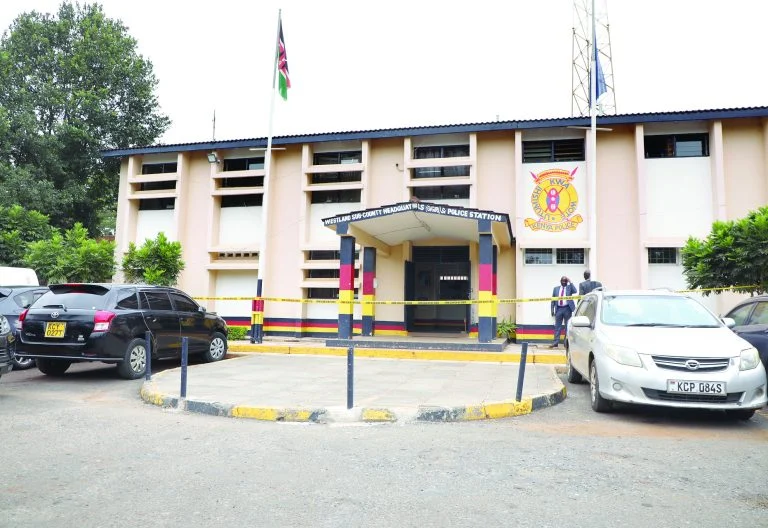
Nairobi police stations have been experiencing significant disruptions in their operations, with many stations left in darkness and without water for months. This situation stems from unpaid utility bills, particularly electricity and water charges, which have accumulated over time due to financial constraints.
Impact of Unpaid Utility Bills on Nairobi Police Stations
The failure to settle utility bills has resulted in the disconnection of essential services at police stations across Nairobi. This not only hampers daily operations but also poses serious safety and security challenges, affecting both officers and the public they serve.
Authorities have confirmed that the unpaid bills amount to millions, leading to disconnections by utility providers. The situation underscores the broader issue of financial strain on government institutions and the need for effective governance and budget management.
The disruption in services raises concerns about the ability of police stations to effectively perform their duties, especially in emergency situations where lighting, communication, and water supply are crucial. The government is under pressure to address these service gaps to restore normalcy and ensure public safety.
Looking ahead, stakeholders emphasize the importance of sustainable utility management and budget allocations to prevent such disruptions in the future. Addressing unpaid utility bills is essential not only for operational continuity but also for maintaining public confidence in government services.