 Lilian Nyiva
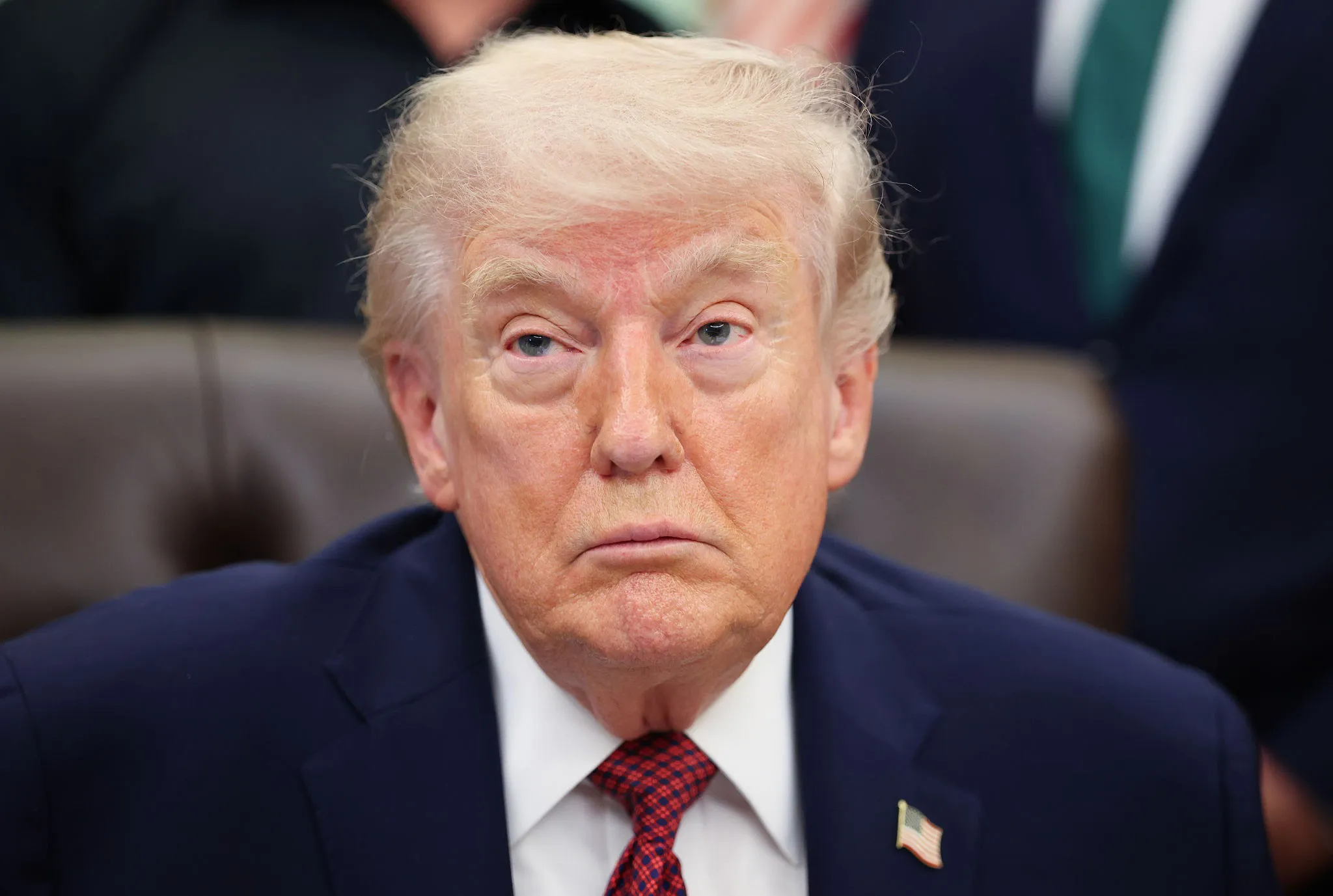
Fresh tensions have erupted in the Middle East after the United States carried out new military strikes on targets in Iran, even as diplomatic efforts to end the ongoing regional conflict continue in Qatar.
According to reports from international media and statements attributed to the United States Central Command (CENTCOM), US forces targeted missile installations in southern Iran as well as boats allegedly involved in laying naval mines near key shipping routes. The strikes took place on Monday and have raised fears that efforts to secure a ceasefire could collapse.
The developments come at a critical moment, with Iranian negotiators arriving in Doha for another round of talks aimed at ending months of escalating violence involving Iran, Israel, and armed groups aligned with Tehran across the region.
Renewed Military Action
US officials reportedly said the operation was intended to neutralize immediate threats to maritime security and regional stability. American authorities accused Iran of attempting to disrupt movement through the Strait of Hormuz, one of the world’s most important oil shipping corridors.
The Strait of Hormuz handles a significant portion of global oil exports, and any disruption there often causes immediate concern in international energy markets. Following reports of the strikes, oil prices experienced fluctuations as investors reacted to fears of supply disruptions.
The latest military action adds further uncertainty to an already fragile diplomatic process. Analysts warn that continued confrontation could undermine negotiations taking place in Doha and increase the risk of a wider regional war.
Diplomatic Talks Continue in Doha
Despite the renewed fighting, diplomatic channels remain open. Negotiators from Iran and other regional stakeholders are continuing discussions in Qatar in an attempt to secure a ceasefire and reduce hostilities.
The talks are reportedly focused on ending attacks between Iran and Israel, easing tensions involving Iran-backed armed groups such as Hezbollah in Lebanon, and reopening trade and shipping routes affected by the conflict.
International mediators have urged restraint from all parties, warning that continued military escalation could destabilize the entire Middle East and further damage the global economy.
Rising Regional Tensions
At the same time, fighting between Israeli forces and Hezbollah fighters in southern Lebanon has intensified. Israel has accused Hezbollah of launching attacks across the border, while Hezbollah says it is acting in support of Iran and Palestinians in the broader conflict.
The growing involvement of regional actors has increased fears that the conflict could expand beyond isolated confrontations into a broader war involving several countries.
Security experts say the combination of military operations, proxy conflicts, and strained diplomacy makes the current situation one of the most dangerous periods in the region in recent years.
Global Economic Concerns
The conflict has also triggered concern in global financial and energy markets. Any threat to shipping through the Strait of Hormuz could affect fuel supplies worldwide, potentially leading to higher fuel prices and inflation in many countries.
Several governments and international organizations have called for calm and renewed diplomatic engagement to avoid further escalation.
As negotiations continue in Doha, the international community is closely watching whether diplomacy can survive the latest wave of military action.