 EMMANUEL WEKESA
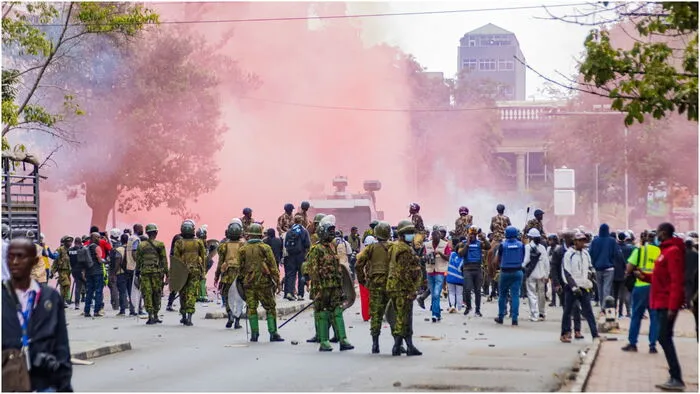
A recent analysis by Odipo Dev and Amnesty International Kenya highlights the extensive use of tear gas during protests in Kenya between 2020 and 2025. According to the Kenya Freedom Index, tear gas canisters were the most frequently used crowd-control weapon during this period, with a total of 230 instances documented across 1,002 protests nationwide.
The report, which coincides with ongoing protests over rising fuel prices and political tensions, underscores the prominence of tear gas as the primary police response. The findings indicate that tear gas canisters are used more routinely than other crowd-control tools, such as live bullets, water cannons, rubber bullets, and batons. The report states, "Teargas is the most consistently deployed tool, often used in peaceful protests, despite concerns about its safety and proportionality."
Police Response and Human Impact
The analysis reveals that live bullets, used 87 times, pose a significant risk to protesters, underscoring concerns over the escalation of violence. Water cannons and rubber bullets were used 67 and 55 times, respectively, frequently resulting in injuries such as broken bones. The report emphasizes that every weapon used in protests reflects a decision by law enforcement authorities, often with severe consequences, including 159 deaths and over 1,200 injuries recorded between 2020 and 2025.
The document specifically discusses the impact on youth-led protests, which comprise the majority of incidents involving police weapons. The use of force, especially with tear gas in enclosed spaces, has led to serious injuries, raising substantive concerns about human rights violations. The report highlights that the choice of weapons during protests is a matter of policy and command decision-making, which warrants ongoing scrutiny and accountability.
As protests continue over fuel prices and other political issues, the broader community remains concerned with police accountability and the safety of demonstrators. The findings from the Kenya Freedom Index contribute to the ongoing discussion about human rights and law enforcement practices during civil unrest, emphasizing the need for proportional response and adherence to human rights standards.