 Faith Masita
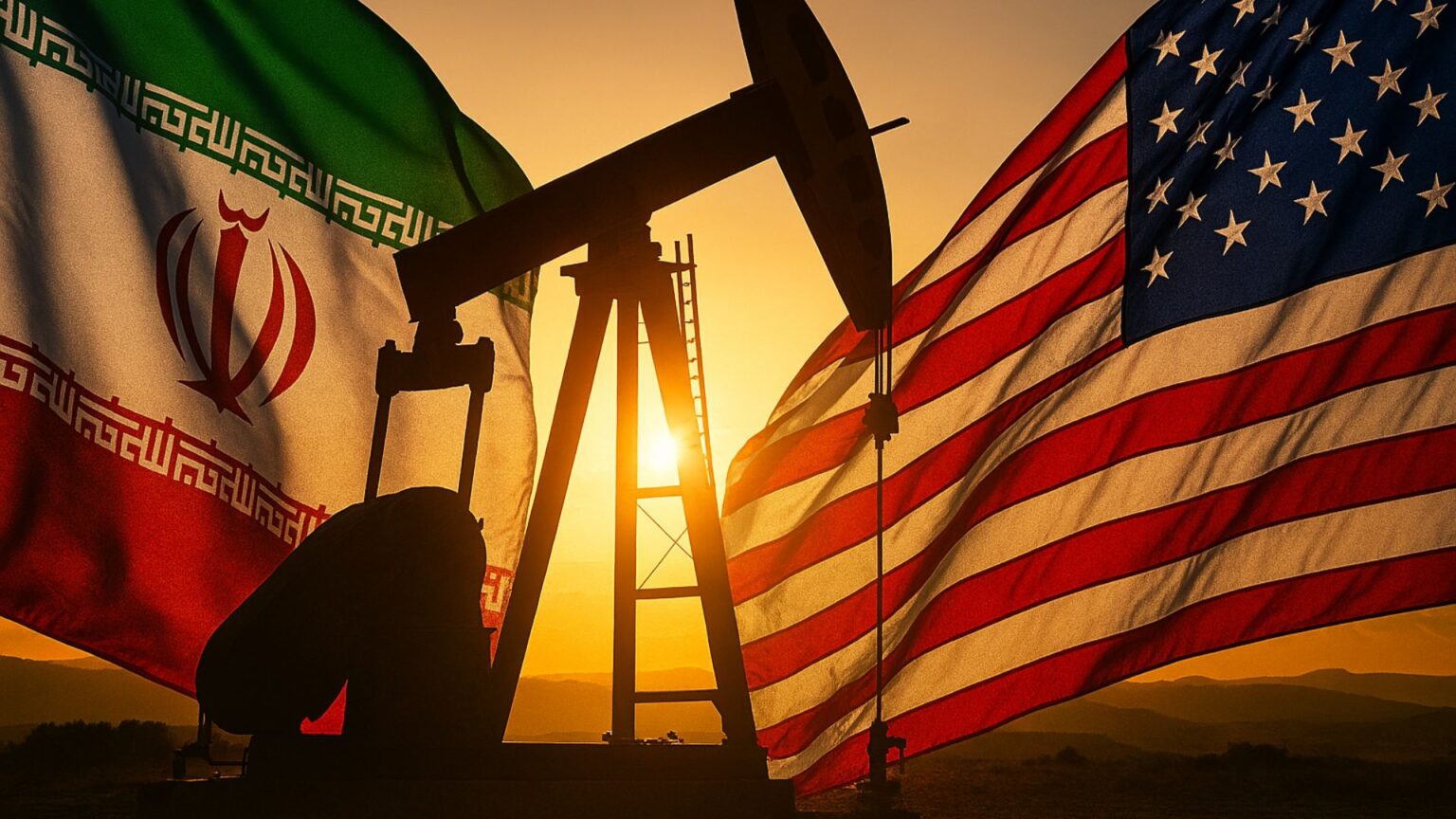
The United States is considering a surprising shift in its hardline stance on Iran’s oil exports, as mounting pressure from global energy markets forces Washington to rethink its sanctions strategy.
Speaking in a televised interview, U.S. Treasury Secretary Scott Bessent signaled that the administration could allow limited flows of Iranian oil back into the market in a bid to stabilise soaring prices.
“We have to consider all options that could increase supply and calm the markets,” Bessent said. “If that includes adjustments to existing sanctions, then it’s something we are looking at very seriously.”
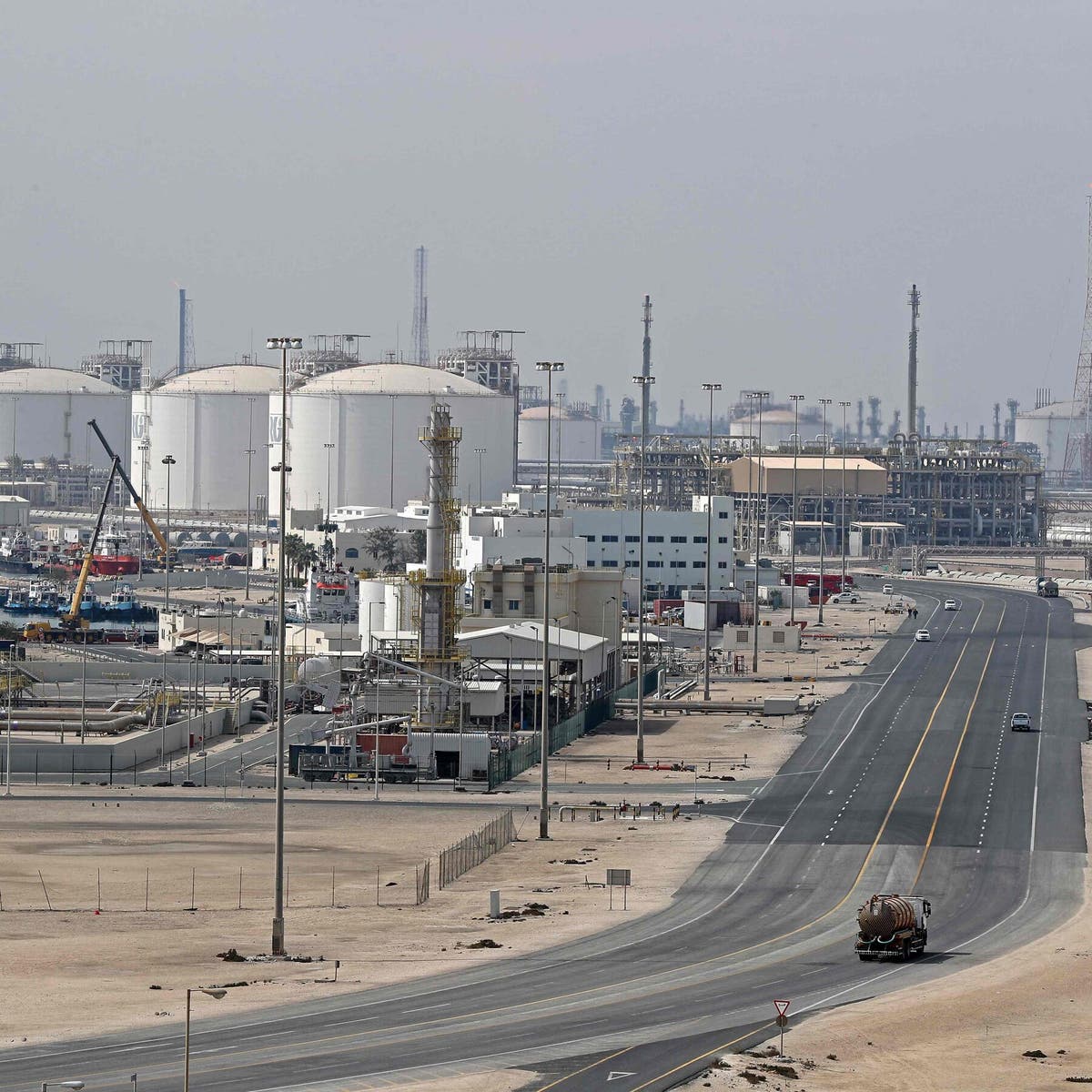
The remarks come as global oil markets reel from the economic shockwaves of the ongoing conflict involving Iran, which has disrupted key shipping lanes and rattled production networks. Energy prices have surged sharply in recent days, raising fears of a broader economic ripple effect.
Analysts say even a partial easing of sanctions could inject much-needed supply into a strained market.
“Any additional barrels from Iran would be significant right now,” Bessent added. “The goal is to prevent further escalation in energy costs that could hurt consumers and businesses worldwide.”
For years, Washington has used sanctions to curb Tehran’s oil exports, a cornerstone of its pressure campaign. But the current crisis appears to be testing the limits of that approach, as geopolitical tensions collide with economic realities.
While no final decision has been announced, the mere possibility of policy flexibility marks a notable shift, underscoring the urgency of the situation.
Market watchers warn that the move, if implemented, could reshape global oil flows almost immediately though it may also carry diplomatic consequences.
“The balance we’re trying to strike is clear,” Bessent said. “Stability in global energy markets is critical, especially at a time like this.”
Speaking in a televised interview, U.S. Treasury Secretary Scott Bessent signaled that the administration could allow limited flows of Iranian oil back into the market in a bid to stabilise soaring prices.
“We have to consider all options that could increase supply and calm the markets,” Bessent said. “If that includes adjustments to existing sanctions, then it’s something we are looking at very seriously.”
The remarks come as global oil markets reel from the economic shockwaves of the ongoing conflict involving Iran, which has disrupted key shipping lanes and rattled production networks. Energy prices have surged sharply in recent days, raising fears of a broader economic ripple effect.
Analysts say even a partial easing of sanctions could inject much-needed supply into a strained market.
“Any additional barrels from Iran would be significant right now,” Bessent added. “The goal is to prevent further escalation in energy costs that could hurt consumers and businesses worldwide.”
For years, Washington has used sanctions to curb Tehran’s oil exports, a cornerstone of its pressure campaign. But the current crisis appears to be testing the limits of that approach, as geopolitical tensions collide with economic realities.
While no final decision has been announced, the mere possibility of policy flexibility marks a notable shift, underscoring the urgency of the situation.
Market watchers warn that the move, if implemented, could reshape global oil flows almost immediately though it may also carry diplomatic consequences.
“The balance we’re trying to strike is clear,” Bessent said. “Stability in global energy markets is critical, especially at a time like this.”