 EMMANUEL WEKESA
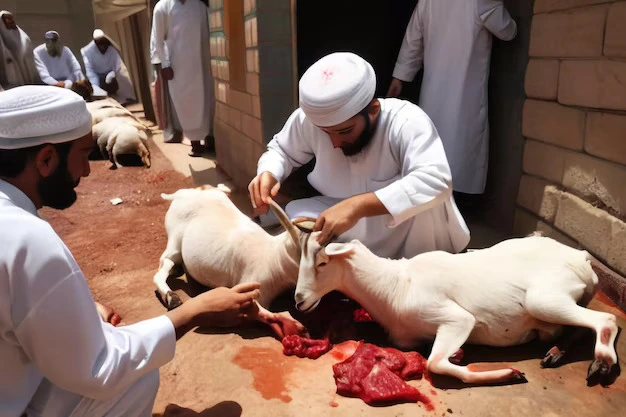
Eid al-Adha, also known as the “Festival of Sacrifice,” commemorates the unwavering faith and obedience of Prophet Ibrahim (Abraham) to God. According to Islamic teachings, Prophet Ibrahim was willing to sacrifice his son after receiving a divine command in a dream. However, before the sacrifice could occur, God provided a ram as a substitute, rewarding Ibrahim’s faith and devotion.
The holiday thereby underscores the importance of obedience to God, sacrifice, humility, generosity, and compassion. It encourages Muslims worldwide to strengthen family bonds, assist those in need, and promote societal cohesion.
The Significance of Eid ul-Adha
One of the most notable traditions associated with Eid ul-Adha is the sacrifice of animals such as goats, sheep, cows, or camels. The meat from these sacrifices is shared among family, friends, and the less fortunate, symbolizing sharing blessings and caring for others. This act highlights the values of community, charity, and gratitude.
Coinciding with Hajj, the annual Islamic pilgrimage to Mecca, Eid ul-Adha reminds Muslims of their spiritual commitments and unity. Those who are able are encouraged to perform Hajj at least once in their lifetime, reinforcing a sense of global Muslim brotherhood.
In various communities, religious leaders use the occasion to preach messages of peace, forgiveness, and harmony. The day often continues with visits to relatives, shared meals, and festive celebrations, fostering communal joy and solidarity.