 Faith Masita
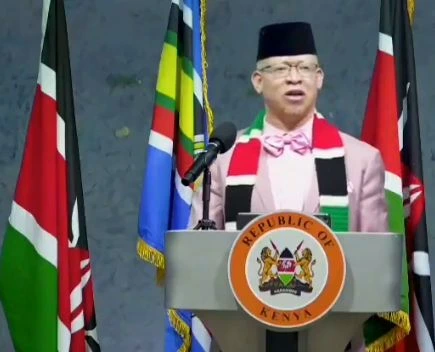
Government Spokesperson Isaac Mwaura has defended Kenya’s shift to the Government-to-Government (G-to-G) fuel import model, saying it was a strategic intervention introduced in 2022 to stabilize the country’s energy sector.
Mwaura explained that the move came at a time when Kenya was grappling with acute fuel shortages, erratic pump prices, and mounting pressure on the country’s dollar reserves. Oil marketers were struggling to access sufficient foreign currency to finance imports, creating supply disruptions across the country.
According to the government, the G-to-G framework was designed to streamline fuel procurement by allowing Kenya to source petroleum products through bilateral agreements with oil-producing nations. This arrangement eased the immediate demand for dollars by enabling deferred payment structures, effectively cushioning the shilling from further depreciation.
Mwaura noted that the model has since helped ensure consistent fuel supply, reduced market uncertainty, and brought a level of predictability to pricing, even amid global oil market volatility.
He emphasized that before the policy shift, Kenya’s open tender system exposed the country to sharp price fluctuations driven by international shocks, including geopolitical tensions and supply chain disruptions.
“The G-to-G model was not just about supply—it was about protecting the economy from external shocks and ensuring stability in the energy sector,” Mwaura stated.
The government maintains that while the model is not without criticism, it remains a critical tool in safeguarding Kenya’s fuel security and economic resilience.