 Lilian Nyiva
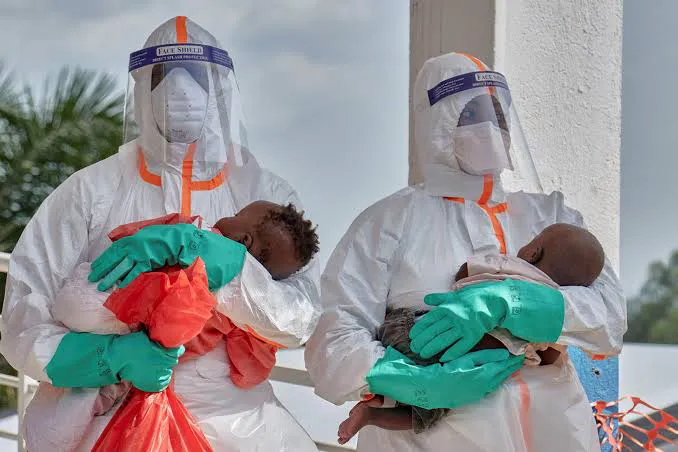
Two infants at a church-run orphanage in eastern Democratic Republic of Congo (DRC) have died from Ebola, underscoring the heightened risks the ongoing outbreak poses to children and vulnerable communities.
The deaths occurred at an orphanage in Bunia, the capital of Ituri Province, which is currently at the centre of the country's Ebola outbreak. Health workers reported that one of the victims, a newborn identified as Buswaza, was brought to the orphanage after her mother died in late May. The infant developed a fever shortly after arrival and later succumbed to the disease. Another victim, an orphaned triplet girl known as "Cherie," who was less than a year old, also died after testing positive for Ebola.
Suspected Cases Identified at Orphanage
Following the death of the newborn, six additional babies at the orphanage were identified as suspected Ebola cases and transferred to a medical facility for observation and testing. Five later tested negative and were discharged, while health authorities continue monitoring the remaining children and staff.
Medical personnel and aid agencies have confirmed that three caregivers, including a nun working at the facility, have also tested positive for Ebola. Daily health screenings have since been introduced at the orphanage as part of efforts to contain further transmission.
Children Face Increased Risks
Health experts warn that children are particularly vulnerable during Ebola outbreaks due to their close contact with caregivers and exposure to infectious bodily fluids. According to preliminary data from humanitarian agencies, children account for approximately 17 percent of confirmed Ebola cases in the current outbreak.
The World Health Organization (WHO) has noted that young children may face a greater risk of severe illness and death from the virus, although limited data exists on the Bundibugyo strain responsible for the current outbreak.
Outbreak Continues to Expand
The latest deaths come as the Ebola outbreak continues to spread across eastern DRC. Health authorities have reported hundreds of confirmed infections and more than 100 confirmed deaths since the outbreak was officially declared in May. The disease has primarily affected Ituri Province, though cases have also been recorded in neighbouring regions.
Officials have expressed concern that insecurity and the presence of armed groups in parts of eastern Congo are hampering response efforts, making it difficult to trace contacts and provide timely treatment.
Humanitarian Concerns Grow
Aid organizations say the outbreak is placing additional strain on communities already affected by conflict, displacement and malnutrition. Many children at the Bunia orphanage are survivors of violence and humanitarian crises that have affected eastern Congo for years. Humanitarian agencies warn that poor nutrition and low vaccination coverage could worsen outcomes for infected children.
Health workers continue to conduct surveillance, treatment and safe burial operations as authorities seek to contain the spread of the virus and protect vulnerable populations across the region.