 Victor Elvis Mugambi
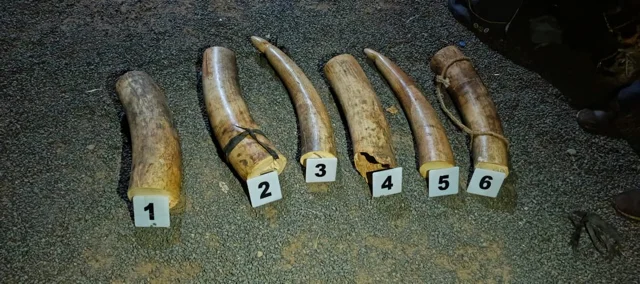
In a significant step to curb wildlife crime, Kenyan police seized 13 elephant tusks in the Marsabit region. This operation exemplifies the ongoing regulatory efforts to combat poaching and illegal wildlife trade in Kenya, a country renowned for its rich biodiversity and wildlife preservation initiatives.
Continued Efforts Against Wildlife Crime
The seizure of these tusks underscores the persistent challenges faced by Kenyan authorities and conservationists in safeguarding endangered species from poachers. The illegal wildlife trade remains a lucrative illegal industry, threatening elephant populations and fostering corruption and crime across the region.
Authorities have emphasized the importance of intelligence-led operations and community involvement in tackling wildlife crime. Kenya's police and wildlife agencies are working collaboratively to strengthen enforcement and to dismantle trafficking networks.
The recent confiscation in Marsabit adds to a series of successful operations that demonstrate the government's commitment to wildlife conservation. These efforts are vital for maintaining Kenya’s status as a global leader in wildlife tourism and conservation.
While the confiscation marks a positive development, officials continue to call for increased support, stricter laws, and greater community engagement to effectively address the root causes of poaching and illegal trade in elephant tusks and other wildlife products.
{