 Victor Elvis Mugambi
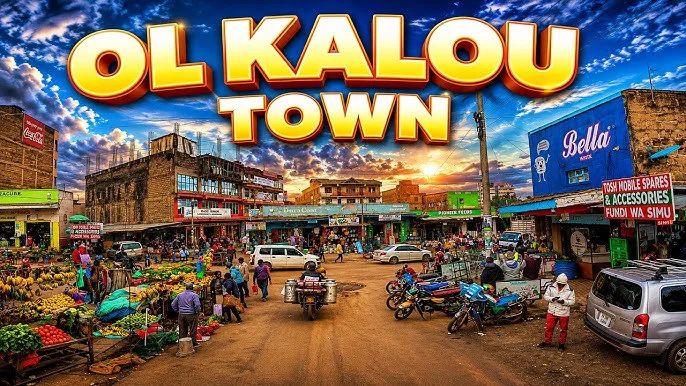
Ol Kalou is a name rooted in Maasai language and history, reflecting the rich cultural landscape of Kenya. The name Ol Kalou originates from the Maa word Oloonkalao, which means "a place of safari ants." Over time, the original Maasai pronunciation was modified to Ol Kalou, as the local people found Oloonkalao difficult to pronounce, yet the name retained its cultural essence.
Historical and Cultural Significance of the Name Ol Kalou
The name Ol Kalou carries a deep historical significance. The regions of Laikipia and parts of present-day Nyandarua, where Ol Kalou is located, were traditionally Maasai lands, especially associated with the Ilpurko (Purko) Maasai. During colonial times, the British established the Northern Maasai Reserve in Laikipia in 1904. However, by 1911, many Maasai people were displaced southwards as European settlers took control of the fertile highlands, altering the landscape and names.
Despite displacement and pronunciation shifts, the original Maasai names such as Ol Kalou and Ol Joro Orok persisted, serving as enduring reminders of the Maasai's historical presence in these lands. The name Oloonkalao, meaning "the place of safari ants," perhaps reflected the area's ecology, characterized by abundant ant mounds and colonies, symbolizing the landscape's natural richness.
In modern times, Ol Kalou remains a testament to Maasai heritage, illustrating how land and culture can endure despite displacement. The name itself continues to speak Maa, carrying with it the memories of those who named and inhabited these regions centuries ago, ensuring that the Maasai legacy remains alive in Kenya’s geographical nomenclature.