 Lilian Nyiva
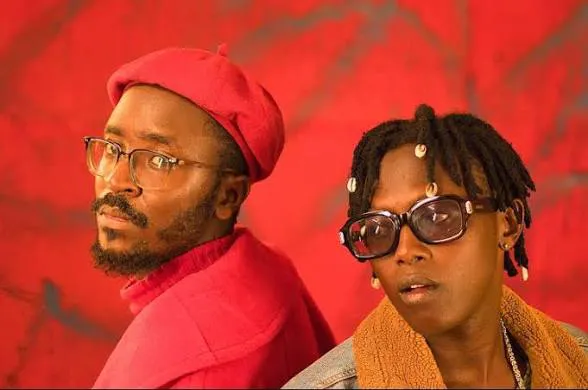
Kenyan musicians Fathermoh and Harry Craze have emerged at the centre of a major copyright and contract dispute involving US-based label Black Market Records, in a case that has sparked debate about artist rights and exploitative music contracts in Kenya’s entertainment industry.
The dispute, which reportedly escalated to courts in California, revolves around ownership of music, artist branding, image rights, and distribution control tied to contracts signed between the artists and the record label.
According to reports, Fathermoh, Harry Craze, producer Vic West, and other artists linked to the Gengetone and Arbantone movement sought intervention from the Kenyan government earlier this year after alleging that Black Market Records continued to claim ownership over music and content created during their time under the label.
Claims of Exploitative Contracts
The controversy gained national attention after digital strategist Dennis Itumbi publicly alleged that some of the contracts signed by the artists were “illegal” and excessively restrictive. He claimed the agreements granted the label perpetual control over the artists’ music, image rights, and online monetisation channels.
Court Orders and Copyright Relief
While details of the rulings remain limited publicly, reports circulating within Kenya’s entertainment industry indicate that Fathermoh and Harry Craze obtained court orders restricting Black Market Records from exercising certain copyright claims over their works and brands pending legal determination of the dispute. The orders are seen as a temporary relief for the musicians as the broader contractual battle continues.
The legal fight is reportedly taking place in California because Black Market Records is registered in the United States.
The dispute has reignited conversations around copyright ownership, unfair royalty structures, and the vulnerability of young African artists signing contracts with foreign-owned labels
The matter also attracted attention from the Kenyan government after the affected artists reportedly appealed for assistance. According to entertainment reports, Kenya’s Consul General in Los Angeles, Ezra Chiloba, became involved in efforts to support the artists on a pro bono basis.
The case has since become one of the most talked-about disputes in Kenya’s urban music scene, with legal experts and entertainment stakeholders calling for stronger protections for musicians entering recording agreements.
Wider Industry Concerns
The Black Market Records dispute has also drawn comparisons to similar cases involving artists across East Africa. Ugandan musician Bruno K previously accused the same label of copyright infringement and unfair contractual practices, later winning court compensation in Uganda.
Music lawyers and industry observers say the situation highlights the need for Kenyan artists to seek independent legal advice before signing recording deals, especially agreements involving ownership of masters, publishing rights, and digital revenue streams.
For many young musicians in Kenya’s fast-growing Gengetone and Arbantone genres, the outcome of the dispute could set an important precedent on how copyright ownership and artist contracts are handled in the future.