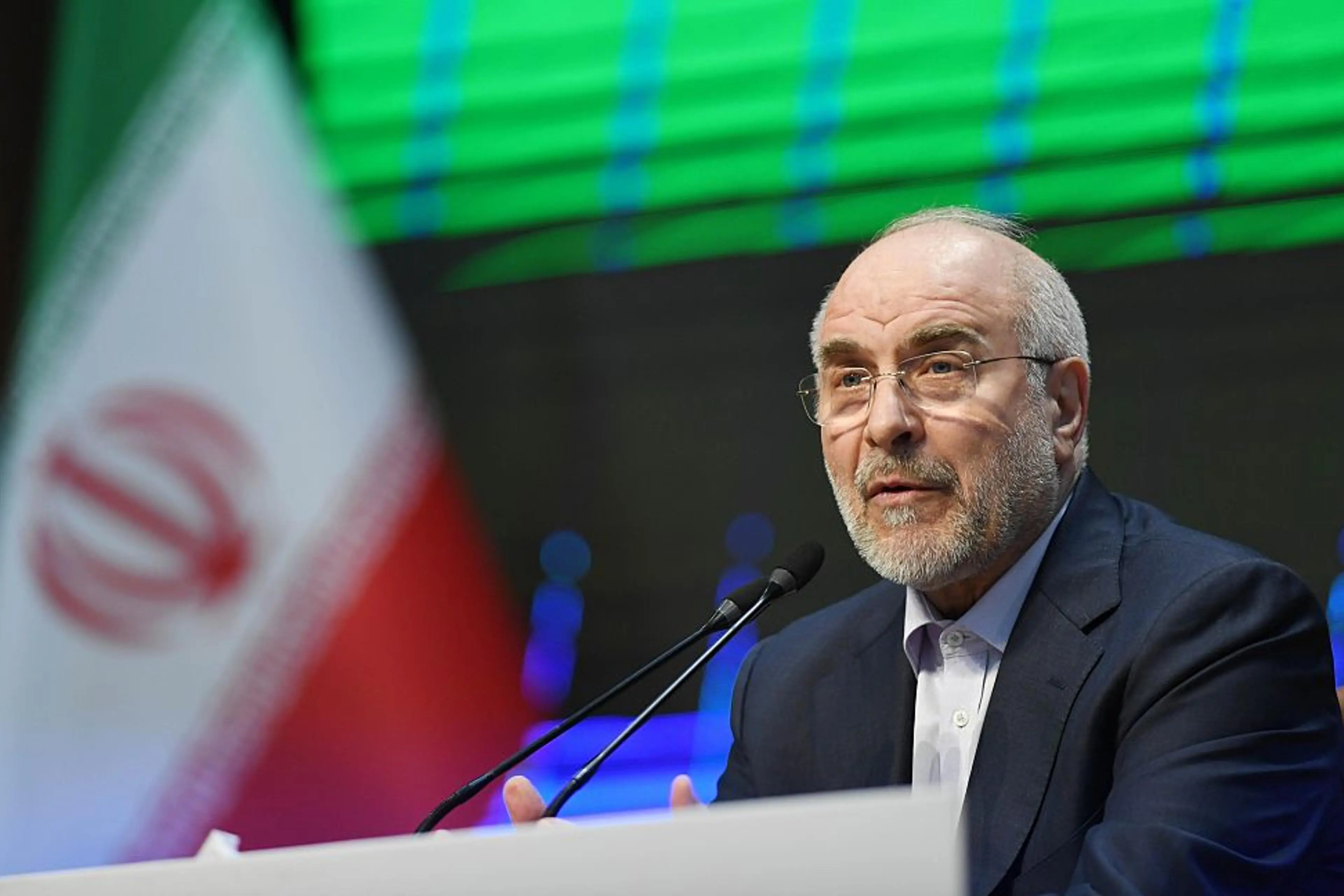
The Strait of Hormuz, a crucial waterway for global oil shipments, is expected to remain closed until the United States meets a set of conditions outlined by Iran, according to Iranian negotiator Mohammad Baqer Qalibaf. These developments come amid heightened tensions and ongoing negotiations surrounding Iran's interim deal signed in June.
Iran's Conditions for Opening the Strait
Qalibaf emphasized that these conditions include the lifting of the U.S. blockade on Iranian ports, the removal of oil sanctions, the release of Tehran's frozen assets, and an end to threats and military operations against Iran. These demands reflect Iran’s stance on the negotiations and its approach to resolving ongoing economic and political disputes.
The closure of the Strait of Hormuz, a vital route for global oil transportation, symbolizes the high stakes involved in the ongoing negotiations. As Iran insists on these conditions, the potential impact on global oil markets and regional stability remains a concern for international stakeholders.
Meanwhile, international reactions continue to vary, with some countries urging dialogue and restraint, while others monitor the situation closely. The closure has already caused disruptions in maritime traffic and heightened geopolitical tensions in the region.
The situation underscores the importance of diplomatic negotiations in resolving complex geopolitical conflicts, but also highlights the fragility of regional stability amid competing national interests. The coming weeks will be crucial to observe how the U.S. and Iran navigate these challenging negotiations and what steps might be taken to de-escalate tensions.