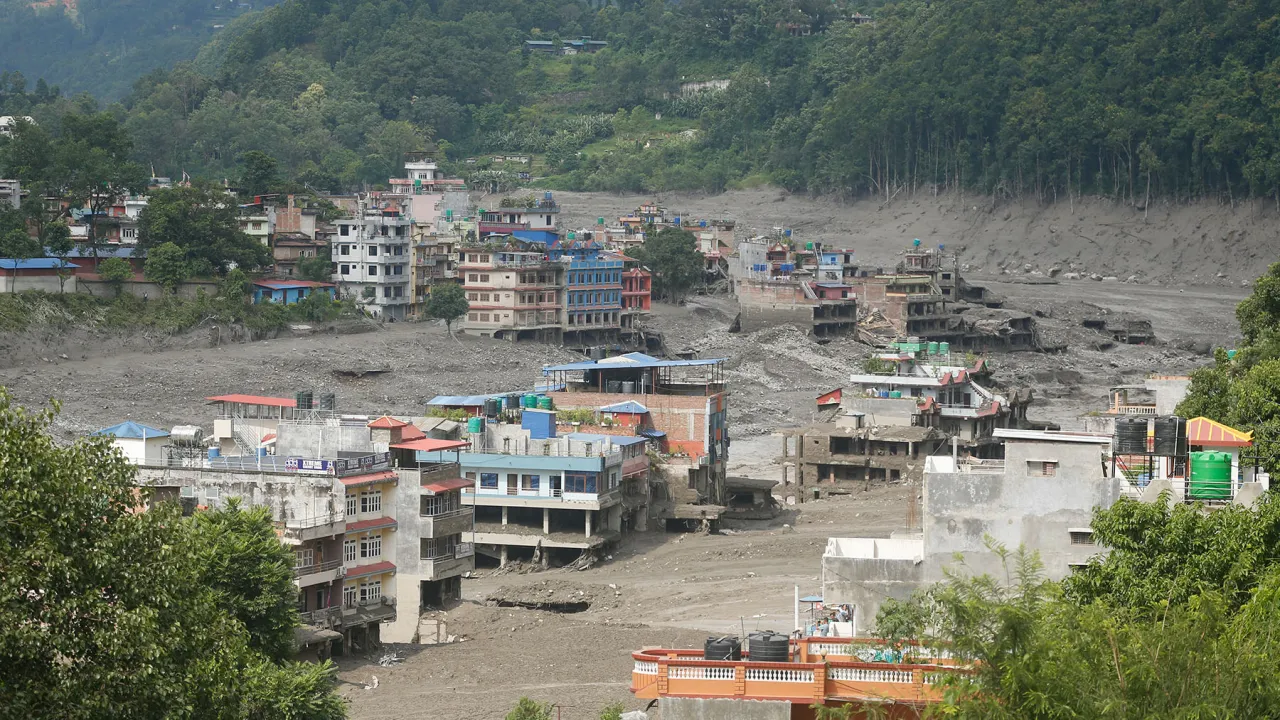
Rescue teams in Nepal are confronting severe access challenges as they attempt to reach the disaster zone following a massive flash flood and mudslide that has claimed over 160 lives. The rugged terrain and debris-blocked rivers are complicating relief efforts, preventing timely aid from reaching stranded victims.
Key Challenges in Nepal-Tibet Flood Zone
The incident area, popular with trekkers and pilgrims, has become a dangerous zone due to ongoing debris hazards in the river near the flood site, raising fears of a secondary flood event. Rescue operations are further hampered by the inaccessible terrain, which makes deployment of aid and evacuation difficult for relief agencies.
International actors including the US, China, the EU, and India have pledged assistance and have begun dispatching rescue supplies to aid recovery efforts. However, the logistical constraints continue to challenge the delivery of aid and rescue operations in the affected region.
The rising number of missing tourists, including over 100 from India, and residents underscores the critical need for swift and effective rescue responses. Authorities are urging utmost caution due to the unstable natural environment, which poses ongoing risks to both evacuees and rescue personnel.
As rescue efforts continue, the focus remains on overcoming the difficult access issues and preventing further casualties, while officials work to coordinate international aid and improve safety measures for the affected population.