 Wambui Faith
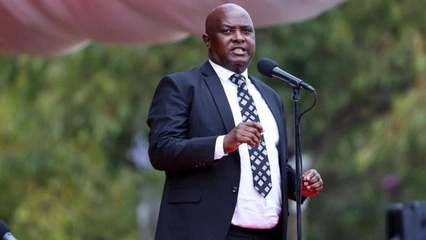
In an interview, which has since sparked significant conversation on social media, saw the Senator take a deep dive into the friction between the executive branch and oversight bodies.
1. The Fight for Devolution
Osotsi, who chairs the County Public Investments and Accounts Committee (CPIC), didn’t mince words regarding the delay of funds to counties. He argued that the "strangulation" of devolved units is not merely a budgetary oversight but a political choice.
. The Argument: He claimed that the National Treasury’s delay in releasing the equitable share is crippling essential services, specifically healthcare and infrastructure at the local level.
.The Quote: "You cannot claim to support the 'Bottom-Up' model while starving the very units meant to empower the grassroots," Osotsi said.
2. Integrity of the 2027 Roadmap
In the interview the Senator was pressed on the opposition’s strategy—or lack thereof—heading toward the next general election. Osotsi’s response signaled a shift in the Azimio coalition’s approach.
.Internal Reorganization: He hinted that the opposition is moving away from street protests (Maandamano) toward a more "legislative and forensic" style of oversight.
.IEBC Reconstitution: He emphasized that without a fully functional and bipartisan Independent Electoral and Boundaries Commission (IEBC), the country is "walking into a constitutional minefield."
3. The "Accountability" Gap
A significant portion of the interview focused on the Auditor General’s reports. Osotsi expressed frustration with the "culture of impunity" where state officers mentioned in graft reports are often reassigned rather than prosecuted.
"The Senate’s job is to bark and bite. But if the investigative agencies don't follow through on our recommendations, the taxpayer remains the loser." Senator Godfrey Osotsi stated.
Analysis: The Dynamic
The interview was notable for the interviewer's persistent "follow-the-money" questioning. He didn't let Osotsi off the hook regarding the Senate’s own role in the budget impasse, forcing the Senator to defend why the legislative house hasn't been more aggressive in its mediation with the National Assembly.
The Verdict
Osotsi came across as a man who has mastered his brief, relying heavily on committee findings and constitutional timelines. However, for the average viewer, the underlying question remains: Can the Senate actually enforce the accountability Osotsi so eloquently describes?
As the 2027 cycle begins to take shape, Osotsi is clearly positioning himself not just as a regional leader, but as a national voice for fiscal discipline. Whether the executive is listening is a different story entirely.
1. The Fight for Devolution
Osotsi, who chairs the County Public Investments and Accounts Committee (CPIC), didn’t mince words regarding the delay of funds to counties. He argued that the "strangulation" of devolved units is not merely a budgetary oversight but a political choice.
. The Argument: He claimed that the National Treasury’s delay in releasing the equitable share is crippling essential services, specifically healthcare and infrastructure at the local level.
.The Quote: "You cannot claim to support the 'Bottom-Up' model while starving the very units meant to empower the grassroots," Osotsi said.
2. Integrity of the 2027 Roadmap
In the interview the Senator was pressed on the opposition’s strategy—or lack thereof—heading toward the next general election. Osotsi’s response signaled a shift in the Azimio coalition’s approach.
.Internal Reorganization: He hinted that the opposition is moving away from street protests (Maandamano) toward a more "legislative and forensic" style of oversight.
.IEBC Reconstitution: He emphasized that without a fully functional and bipartisan Independent Electoral and Boundaries Commission (IEBC), the country is "walking into a constitutional minefield."
3. The "Accountability" Gap
A significant portion of the interview focused on the Auditor General’s reports. Osotsi expressed frustration with the "culture of impunity" where state officers mentioned in graft reports are often reassigned rather than prosecuted.
"The Senate’s job is to bark and bite. But if the investigative agencies don't follow through on our recommendations, the taxpayer remains the loser." Senator Godfrey Osotsi stated.
Analysis: The Dynamic
The interview was notable for the interviewer's persistent "follow-the-money" questioning. He didn't let Osotsi off the hook regarding the Senate’s own role in the budget impasse, forcing the Senator to defend why the legislative house hasn't been more aggressive in its mediation with the National Assembly.
The Verdict
Osotsi came across as a man who has mastered his brief, relying heavily on committee findings and constitutional timelines. However, for the average viewer, the underlying question remains: Can the Senate actually enforce the accountability Osotsi so eloquently describes?
As the 2027 cycle begins to take shape, Osotsi is clearly positioning himself not just as a regional leader, but as a national voice for fiscal discipline. Whether the executive is listening is a different story entirely.