 Diana Muthini
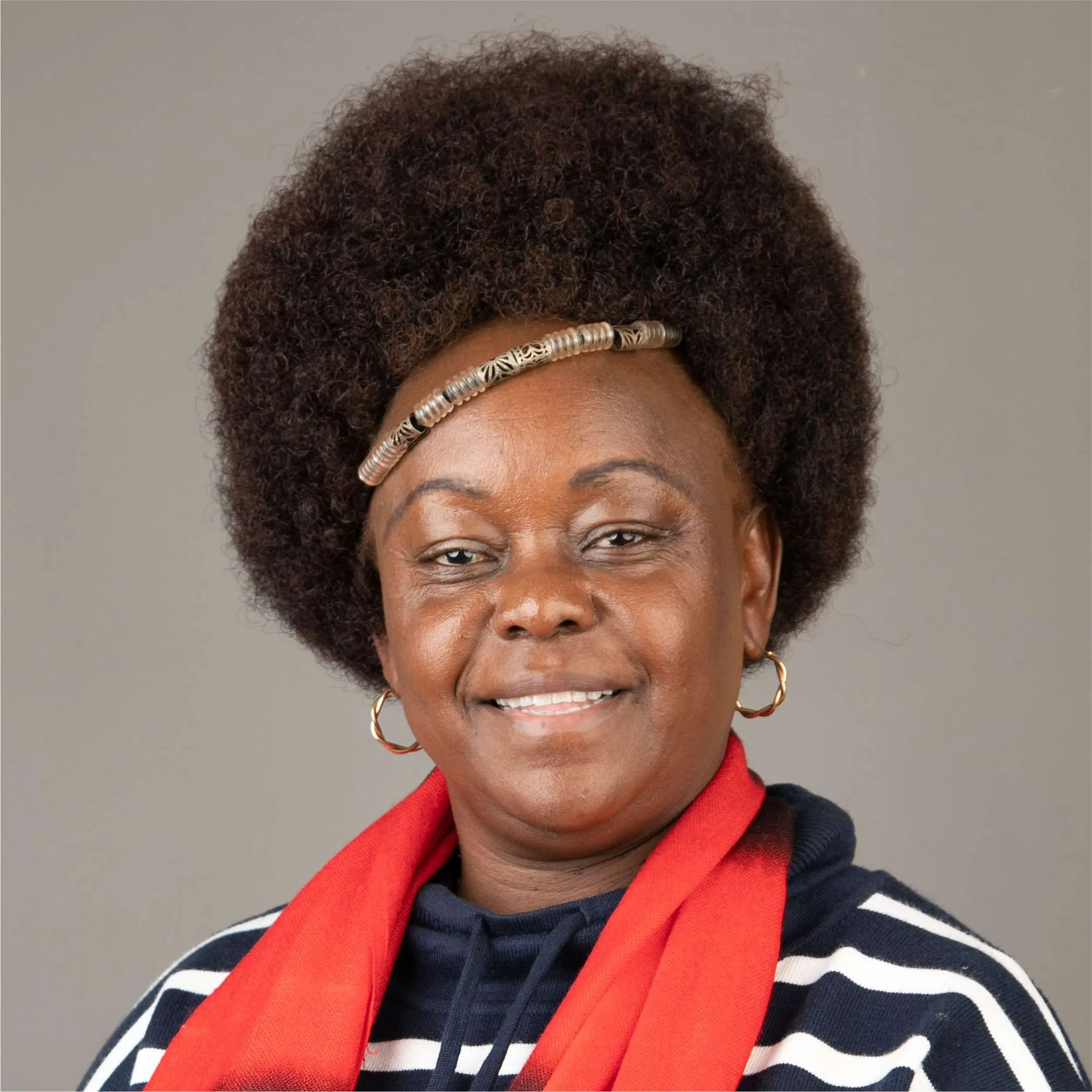
The quiet villages of Suba North, usually rhythmic with the lapping waves of Lake Victoria, have recently become the backdrop for a political thriller that is gripping Nyanza and the nation at large. In a landscape where words are often as sharp as spears, the legendary Millie Odhiambo has drawn a line in the sand, alleging a terrifying escalation from political debate to physical intimidation.
"Goons were sent to attack me," the legislator declared in a statement that ripped through the political establishment like a lightning bolt. This isn't just about a heated argument in a local market; it is a profound allegation of a coordinated attempt to silence one of the most unapologetic voices in Kenyan history. At the center of this storm is a deepening rift with Catherine Omanyo, the Busia Woman Representative and acting ODM Secretary General, who recently accused Odhiambo of "sitting on the fence" during internal party upheavals.
A Clash of Titans: The "Fence-Sitter" vs. The Acting General
The tension between these two formidable women represents a broader struggle within the Orange Democratic Movement (ODM). Catherine Omanyo, stepping into the massive shoes of the embattled Edwin Sifuna, has taken a hardline approach to party loyalty. Her critique of Millie Odhiambo was pointed: she suggested that the Suba North MP was being overly neutral in a time that demands absolute allegiance.
However, Millie Odhiambo’s "neutrality" is framed by her supporters as principled independence. For a leader who has built her career on being a fierce human rights defender and a legislative powerhouse, being told how to think—or when to speak—is an insult. In her explosive rebuttal, she didn't just defend her stance; she exposed the underbelly of party politics, alleging that her call for internal democracy and reconciliation was met not with dialogue, but with "goons" sent to intimidate her.
The Anatomy of Political Thuggery
The mention of "goons" is a chilling reminder of the dark side of Kenyan political transitions. Odhiambo’s claim suggests that when intellectual arguments fail to move her, shadowy forces are deployed to make the environment physically unsafe.
- The Weaponization of Fear: By highlighting these attacks, Odhiambo is shedding light on a tactic designed to keep dissenting voices within the party quiet. If a veteran leader with her stature can be targeted, what hope do rising young politicians have?
- The Erosion of Civility: The MP warned that turning personal or intra-party disagreements into "political issues" creates a volatile environment where misinformation thrives. When leaders trade in half-truths, it creates a "perpetual friction" that makes it impossible to focus on the real work of development.
- The Risk of Hero-Making: Ironically, Odhiambo pointed out that the party’s own tactics are backfiring. She noted that the mistreatment of figures like Edwin Sifuna or herself doesn't weaken them—it turns them into political martyrs and heroes in the eyes of the public.
Beyond the Headlines: The Future of Nyanza Politics
This is more than a feud between two powerful women; it is a litmus test for the future of the region. As the 2027 elections loom, the "Battle for the Mountain" (and the Lake) is becoming increasingly fractured. The demand for "zoning" and the pressure to conform to a single party narrative are creating deep cracks in the traditional strongholds.
Millie Odhiambo’s plea for mutual respect is a call to return to a politics of ideas. She argues that the continued development of Suba North—from infrastructure to the blue economy—depends on a leadership that can disagree without resorting to violence. A political culture that relies on intimidation is a culture that is fundamentally afraid of progress.
The Defiant Stand
As the dust settles on this latest skirmish, one thing is clear: Millie Odhiambo is not backing down. Her defiance serves as a reminder that the spirit of Suba North is one of resilience. She has called on her fellow leaders to prioritize responsibility over rhetoric and truth over tactics.
The question for the electorate is simple but profound: Will the region move forward through collaborative leadership and intellectual diversity, or will it remain trapped in a cycle of intimidation and internal policing? The shadows may be lengthening over the political landscape, but as Millie has shown time and again, she is more than comfortable standing in the light.