 Victor Elvis Mugambi
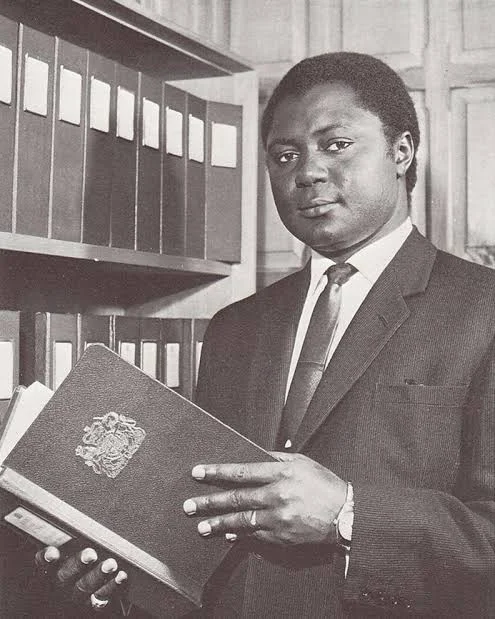
Today marks 57 years since the assassination of Tom Mboya, a prominent trade unionist and Cabinet minister who played a pivotal role in Kenya's independence era. On July 5, 1969, Mboya was shot dead by Nahashon Isaac Njenga Njoroge near Moi Avenue in Nairobi, a tragic event that shocked the nation and marked a significant moment in Kenya's political history.
The Enduring Legacy of Tom Mboya and His Impact on Kenyan Politics
Tom Mboya's assassination was not only a personal tragedy but also a profound loss for Kenya's political development. As one of the first prominent Luo leaders post-independence, his death left a void in leadership and symbolized the turbulent political atmosphere of that time. Mboya's contributions to trade unions and his role in shaping policies for independence cement his legacy as a foundational figure in Kenyan history.
Recent efforts have sought to preserve his legacy, with residents of Ziwani advocating for the preservation of his childhood home to maintain Kenya’s rich heritage (The Eastleigh Voice). Such initiatives underscore the significance of Mboya’s influence, inspiring ongoing discussions on how best to honor his contributions to Kenya’s national identity.
Moreover, Mboya's legacy continues to influence contemporary governance and policy discussions, with ongoing projects and commemorations that highlight his enduring impact on Kenya’s political landscape. His life and work serve as a reminder of the importance of visionary leadership in shaping a nation's future.
As Kenya commemorates this anniversary, reflections on Tom Mboya’s life underscore the importance of remembering historical figures whose values and visions continue to inform the nation’s journey toward development and unity.