 Victor Elvis Mugambi
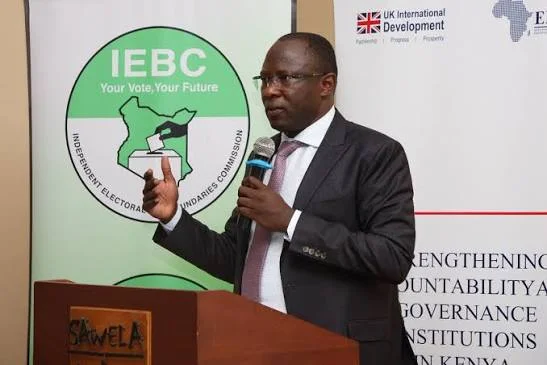
The decision by the Independent Electoral and Boundaries Commission (IEBC) to stop broadcasting live election results has led to widespread controversy and public concern. This move has raised questions about transparency and electoral integrity during a crucial electoral period.
Controversy Surrounding the IEBC's Decision
Many stakeholders and members of the public have expressed concern over the IEBC's decision, which they believe could undermine trust in the electoral process. The move has been perceived by some as a way to control the flow of information during the critical election period, potentially affecting perceptions of fairness and transparency.
The decision was announced amid ongoing political debates and increased scrutiny of the electoral body's operations. Critics argue that stopping live broadcasts may hinder independent verification of results and diminish public confidence in the election outcome.
The election commission has defended its decision, citing logistical challenges and the need to ensure the accuracy of transmitted results. However, this explanation has not been sufficient to quell public outrage or media criticism.
As the controversy unfolds, the public and political leaders are calling for greater transparency and accountability from the IEBC. The decision's impact on voter confidence and the legitimacy of the electoral process remains a significant concern for democracy in the country.