 Victor Elvis Mugambi
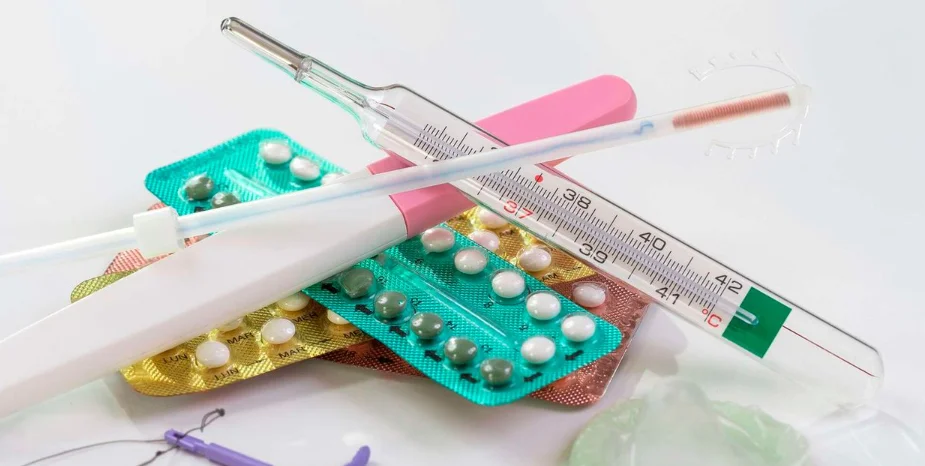
Kenyan health authorities are alarmed by the widespread circulation of counterfeit P2 emergency contraceptive pills, raising concerns over public health safety and regulatory oversight. Multiple sources report that these fake pills pose serious risks to consumers, potentially leading to ineffective contraception and other health complications.
Impact of Fake P2 Pills in Kenya
The circulation of counterfeit P2 pills in Kenya represents a significant public health challenge. Authorities from the Pharmacy and Poisons Board have issued alerts warning the public about the presence of fake contraceptives on the market. These falsified products undermine efforts to promote safe family planning and could result in unintended pregnancies or health risks due to unverified ingredients.
Various news outlets, including the Star and NTV Kenya, have highlighted the extent of the problem, providing guidance on how consumers can identify fake P2 pills. Despite these efforts, the counterfeit drugs continue to infiltrate pharmacies and online markets across the country.
The risk is compounded by reports from the Citizen Digital and Business Daily Africa, warning of fake batches circulating in the market. These imitations not only threaten individual health but also challenge regulatory agencies' ability to maintain control over pharmaceutical quality and safety.
Efforts to combat this issue include public awareness campaigns and stricter enforcement measures. However, the persistent presence of fake drugs suggests a need for more robust regulatory frameworks and cross-sector collaboration. As Kenyans continue to be affected by these counterfeit pills, the government and health organizations must prioritize strategies to ensure drug authenticity and consumer safety.