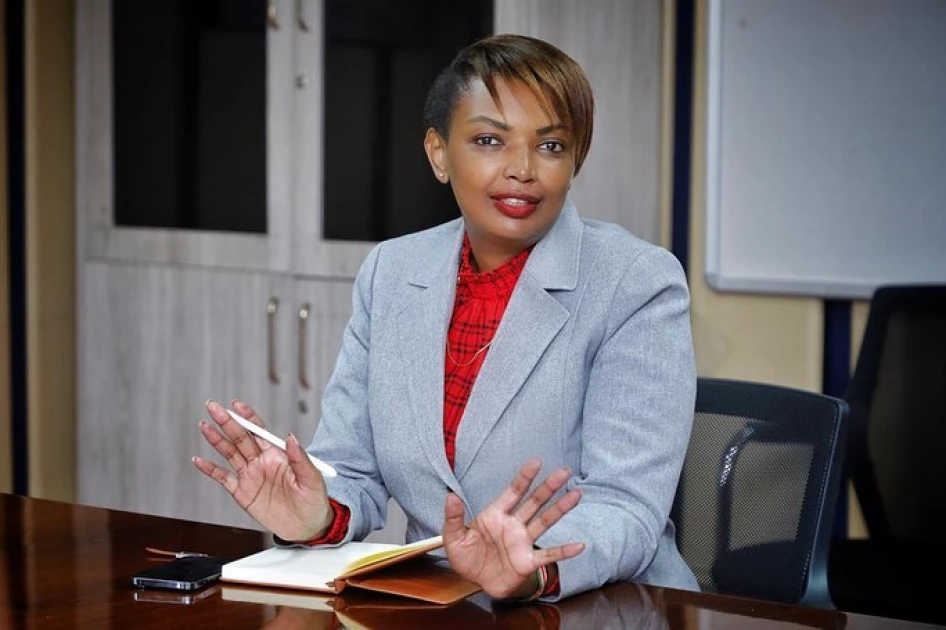
Media personality Natalie Githinji has recently brought public attention to the struggles of women suffering from endometriosis, revealing her own health battle and calling for urgent policy reforms. Diagnosed with Stage 4 endometriosis, Githinji announced that she is out of the ICU and on the path to recovery, although she still faces physical, mental, and emotional challenges.
Endometriosis and Healthcare Policy
Githinji’s appeal underscores the pressing need for enhanced healthcare policies that address endometriosis and women's reproductive health. She emphasized the importance of including conditions like endometriosis under the Social Health Assurance (SHA) scheme to ensure wider access to necessary treatment and support for affected women. With treatment costs being prohibitively high, her call to action aims to influence policymakers to prioritize women's health.
Her public story resonates with many women who face similar battles, highlighting the significant gaps in current healthcare systems. The lack of affordable and accessible reproductive health services exacerbates the physical and emotional toll on women suffering from endometriosis, making advocacy and policy change critical to improving outcomes.
Recent studies, including those highlighted by sources like Bored Panda, reveal shocking insights into women’s health issues, illustrating the urgent need for systemic reform. Healthcare guidelines, such as those enacted by NICE, are increasingly recognizing the necessity of dedicated fertility care for women with endometriosis, yet financial and policy barriers remain a challenge.
Public figures like Githinji play a vital role in raising awareness, encouraging community and government action to bridge these gaps. Her story not only personalizes the disease but also advocates for a broader societal and policy response to the complex challenges faced by women with endometriosis.