 Victor Elvis Mugambi
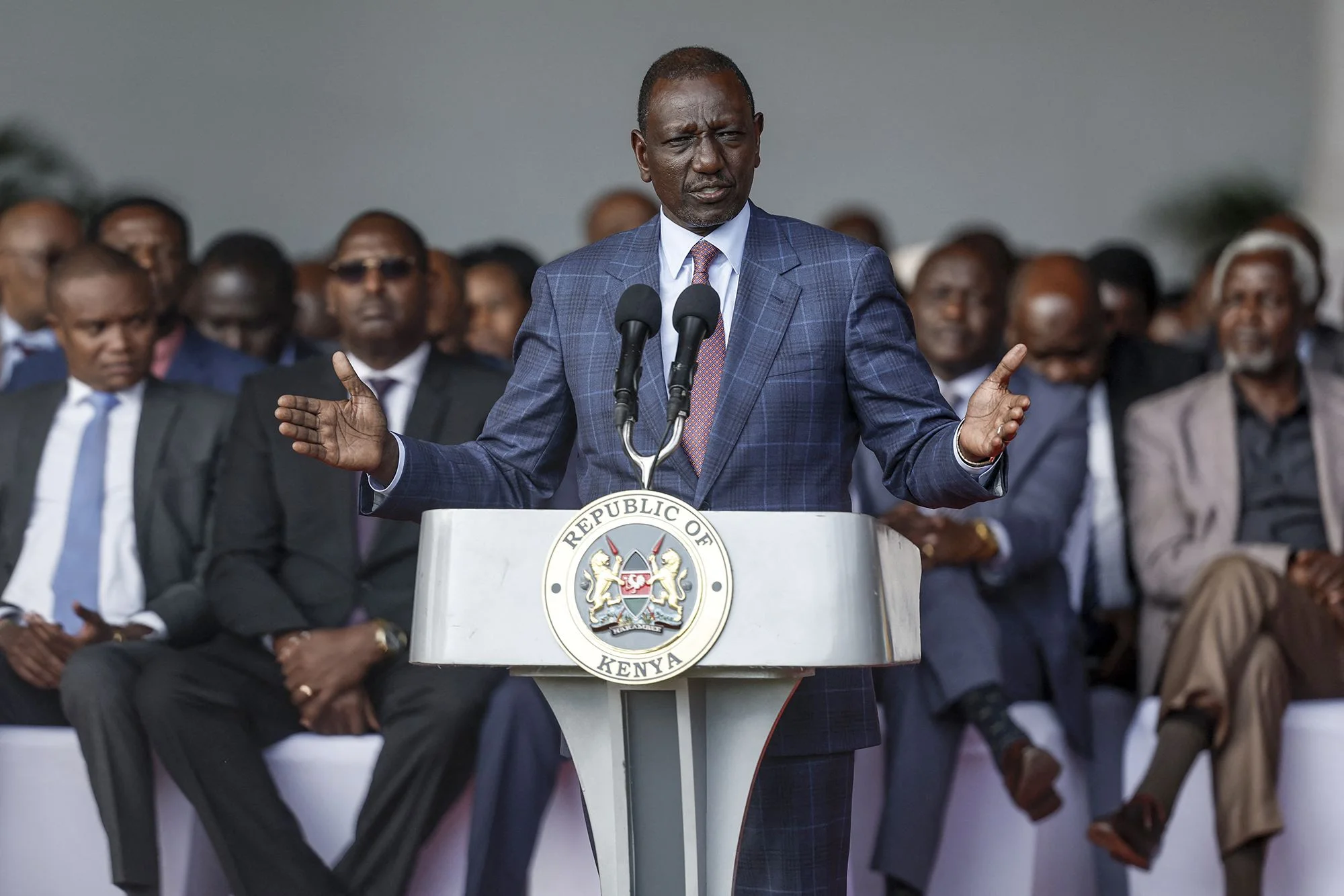
The health sector in Kenya is currently facing an escalation in strike actions by healthcare workers, a crisis that has drawn the attention of national leaders. The dispute has become more intense as efforts by President Ruto and regional governors to manage the situation and prevent further deaths intensify, reflecting the gravity of the conflict and its impact on public health.
Government and Local Leaders Race Against Time
In the midst of the strike, President Ruto and regional governors are actively engaged in disputes over how to address the crisis. Their efforts aim to restore order and provide critical health services, but tensions remain high amid disagreements over policy responses and resource allocation.
The strike and the political struggle surrounding it underscore the complex challenges facing Kenya’s healthcare system, which is under significant strain due to ongoing labor disputes and resource constraints. The situation remains volatile, with fears of further casualties if the conflict continues unabated.
Healthcare workers are demanding better salaries and working conditions, but the government's response has so far been unable to quell the unrest. As both sides dig in, the community fears that continued strikes could lead to more preventable deaths and worsening health outcomes.
Experts and community leaders continue to call for a quick resolution to the dispute to shield vulnerable populations from further harm. The conflict remains a stark reminder of the urgent need to address systemic issues within the healthcare sector to prevent such crises in the future.